

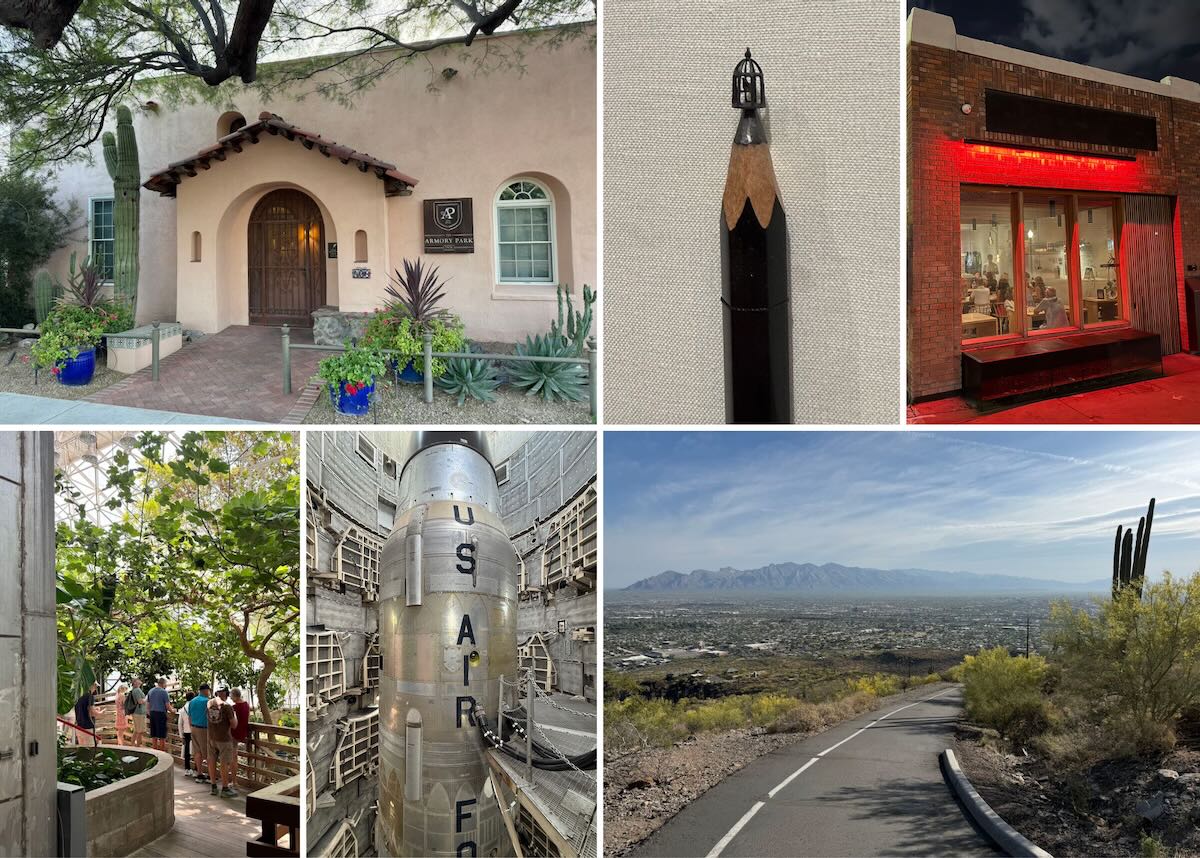
My favorite kind of tourist attraction is something that doesn’t exist anywhere else. Take Biosphere 2, more or less on the way from Phoenix to Tucson, after a long stint on a pretty two-lane road with plenty of opportunities to argue about appropriate passing technique. Now owned by the University of Arizona, Biosphere 2 is a research facility that “advances our understanding of natural and human-made ecosystems through integrated research that drives the discovery and development of interventions that increase the resilience and sustainability of Earth systems and human quality of life.” Hey, it’s worth a shot.
Readers of a certain age will remember Biosphere 2 from the news decades ago: “Two missions, between 1991 and 1994, sealed Biospherians inside the glass enclosure to measure survivability. Behind this highly public exercise was useful research that helped further ecological understanding.” And now, let’s shift to Wikipedia:
Both attempts ran into problems including low amounts of food and oxygen, die-offs of many animals and plants included in the experiment (though this was anticipated since the project used a strategy of deliberately “species-packing” anticipating losses as the biomes developed), group dynamic tensions among the resident crew, outside politics, and a power struggle over management and direction of the project.
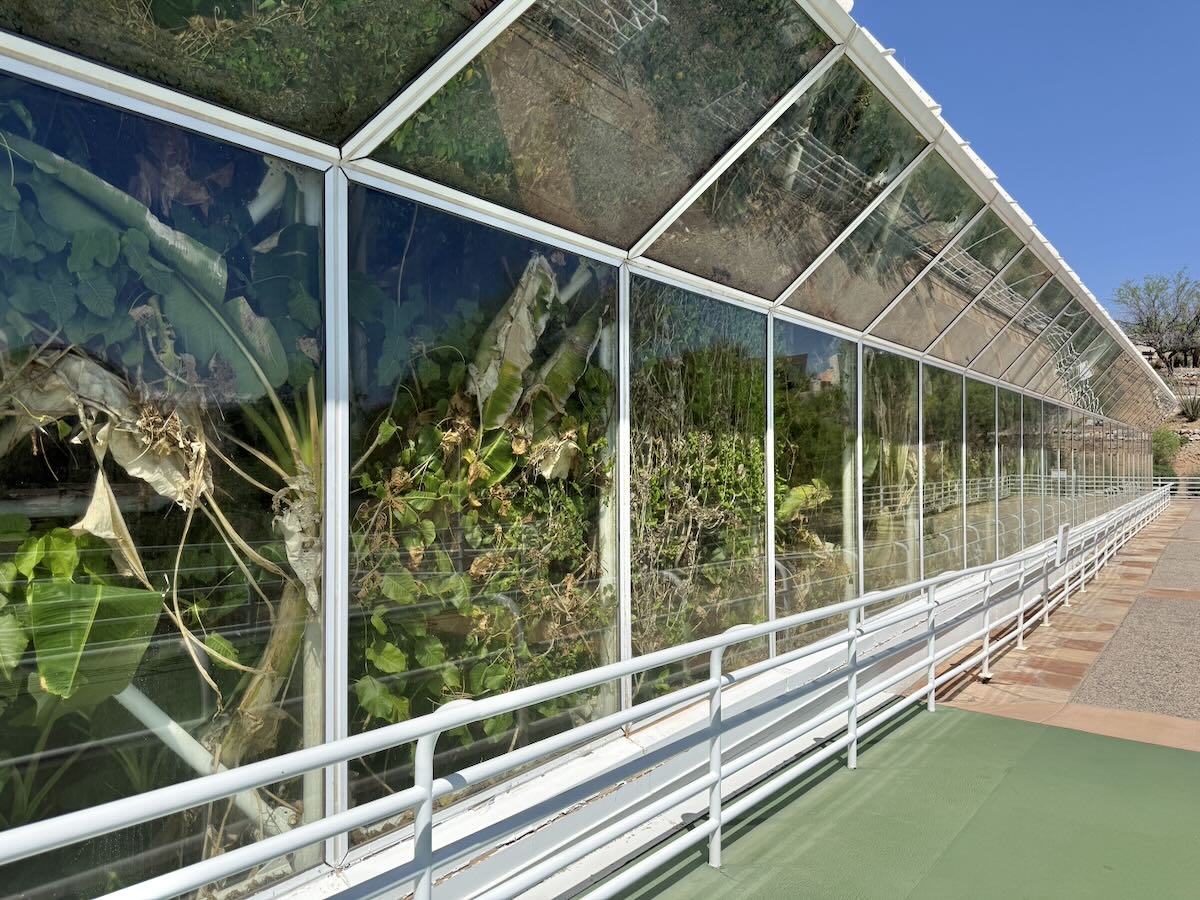
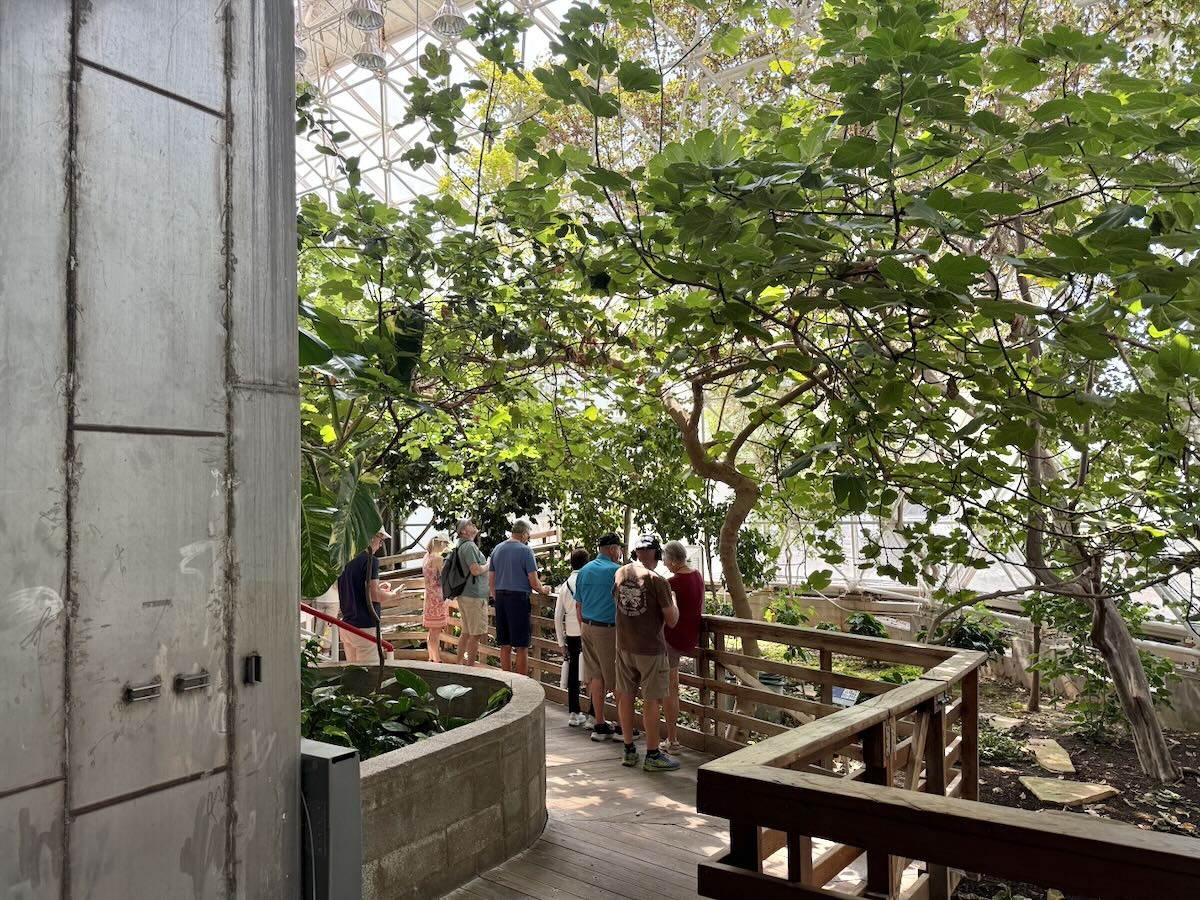
Wikipedia also just taught me that there’s another enclosed artificial ecosystem in Montreal that’s open to the public, which makes Biosphere 2 not quite unique, but whatever. It was unlike anywhere I’ve ever been. The tour, self-guided via an app, takes around an hour and 15 minutes, and I only skipped ahead a handful of times. I probably would’ve been happy just to see the kooky architecture, designed to capture the public’s imagination.
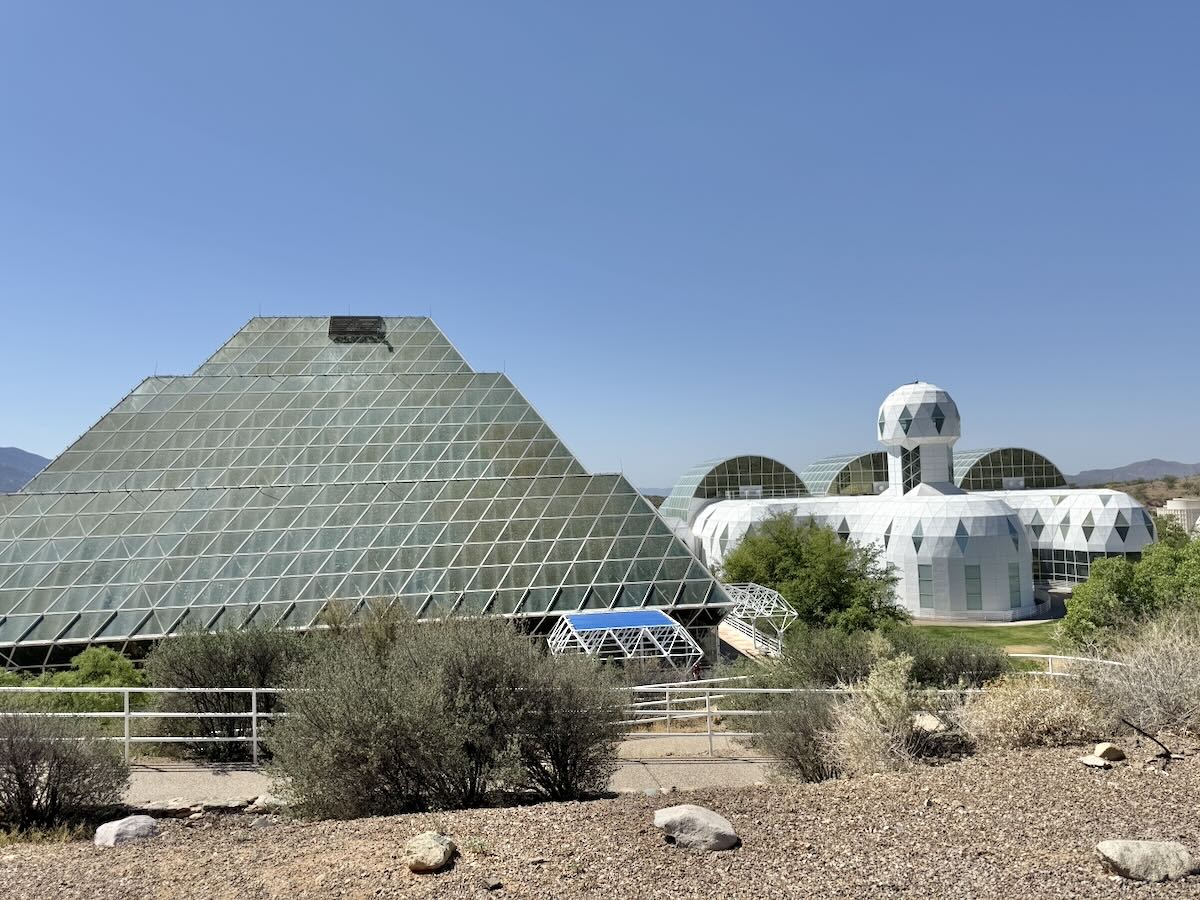
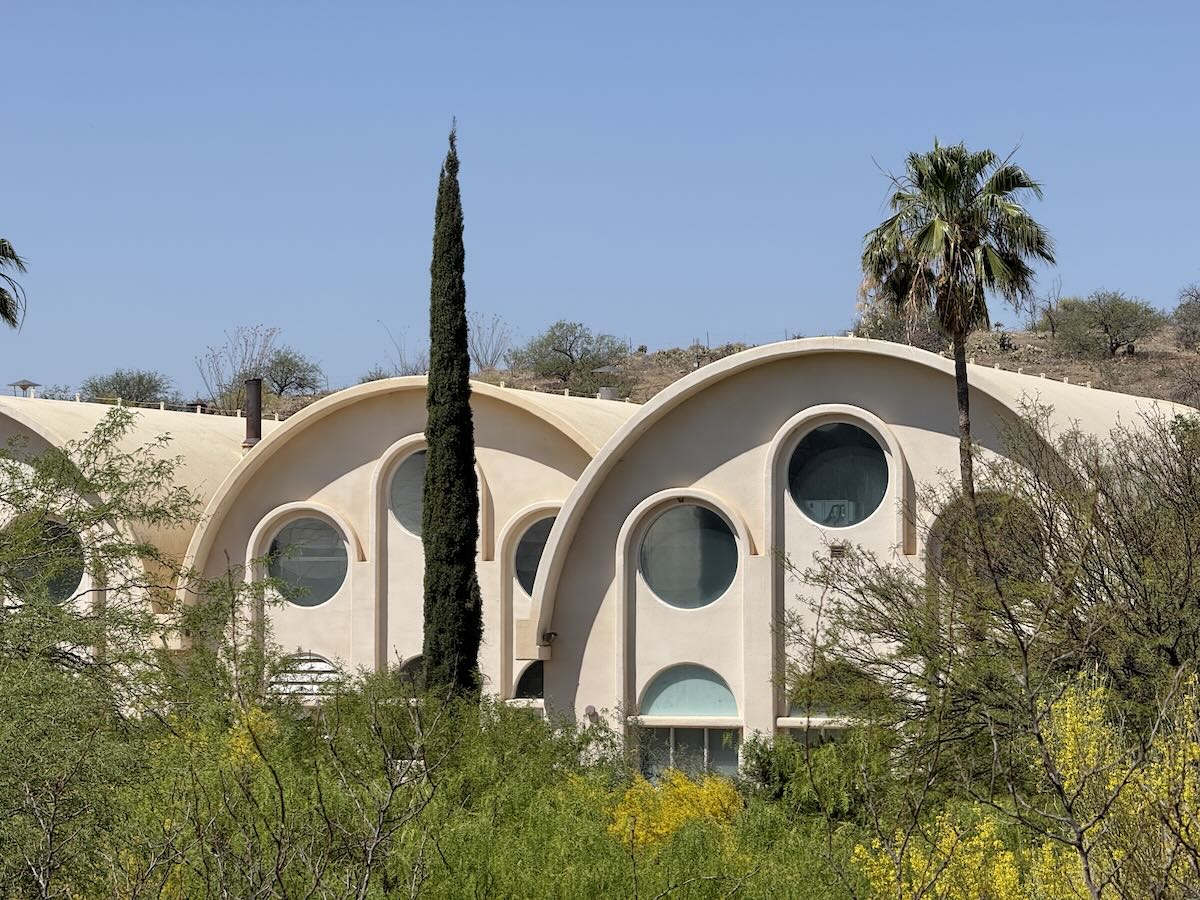
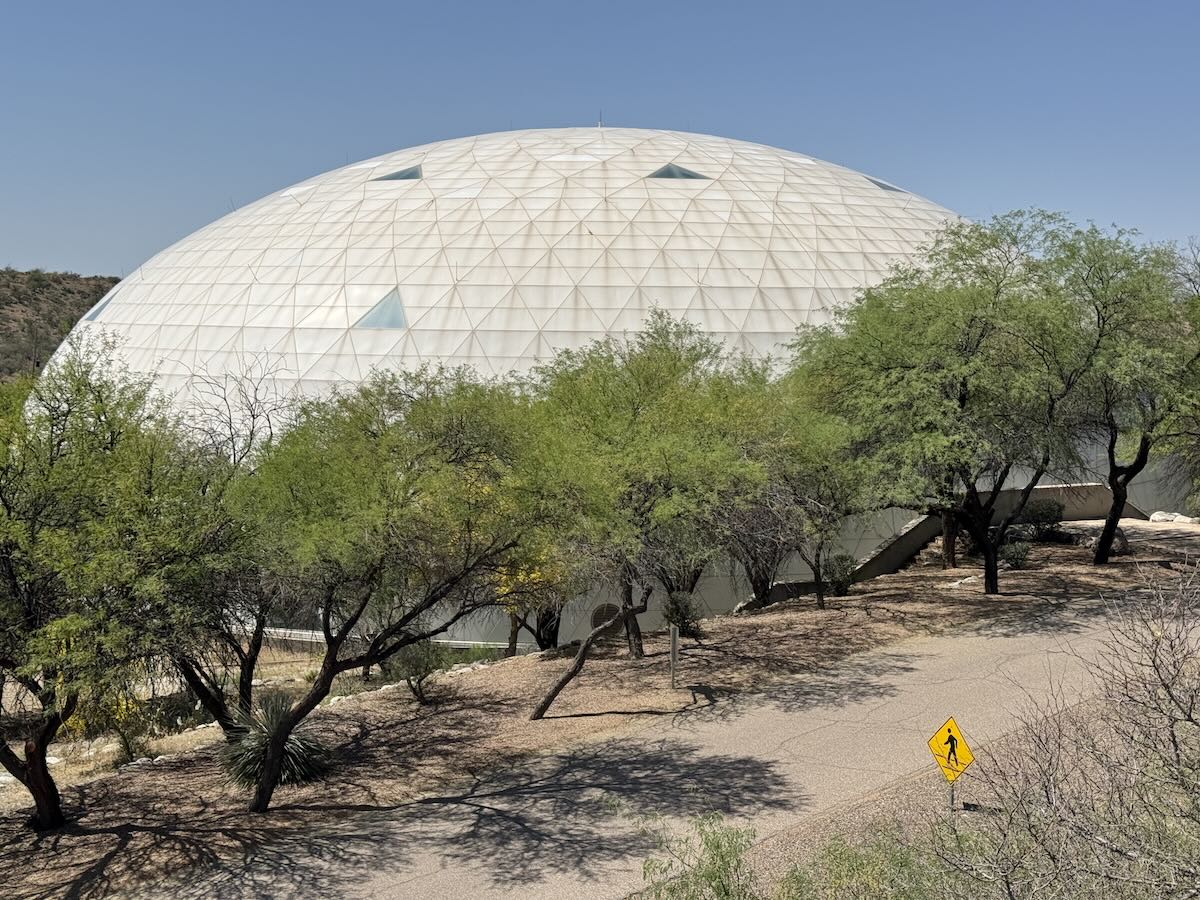
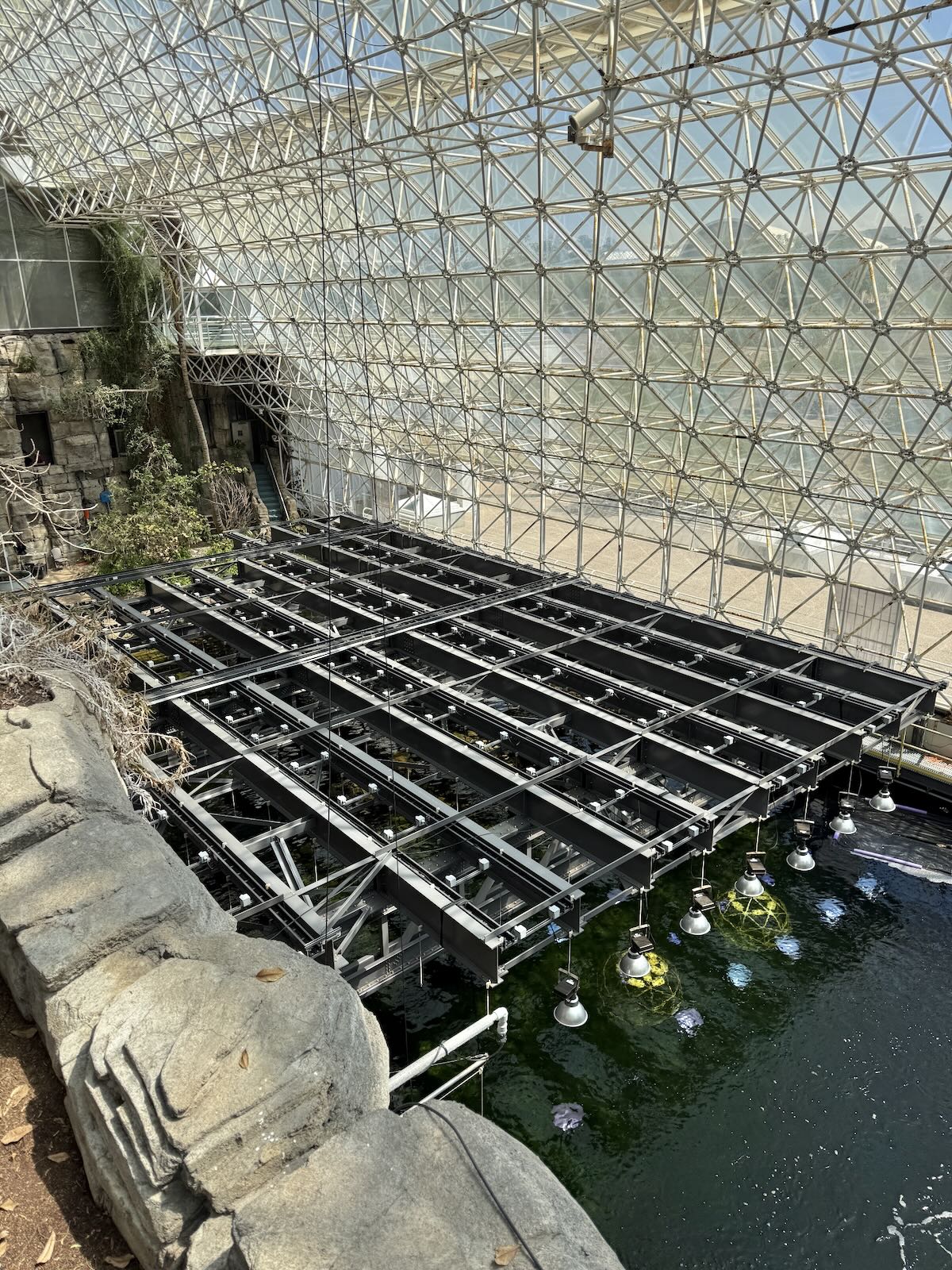
 The photo below is of the simulated “ocean,” which the Biospherians were allowed to swim in; they also occasionally drank wine made from bananas grown on the premises. But the Biosphere 2 story is so much wilder than the tour lets on—I highly recommend the 2020 documentary Spaceship Earth, whether you’re inclined to visit the facility in person or not.
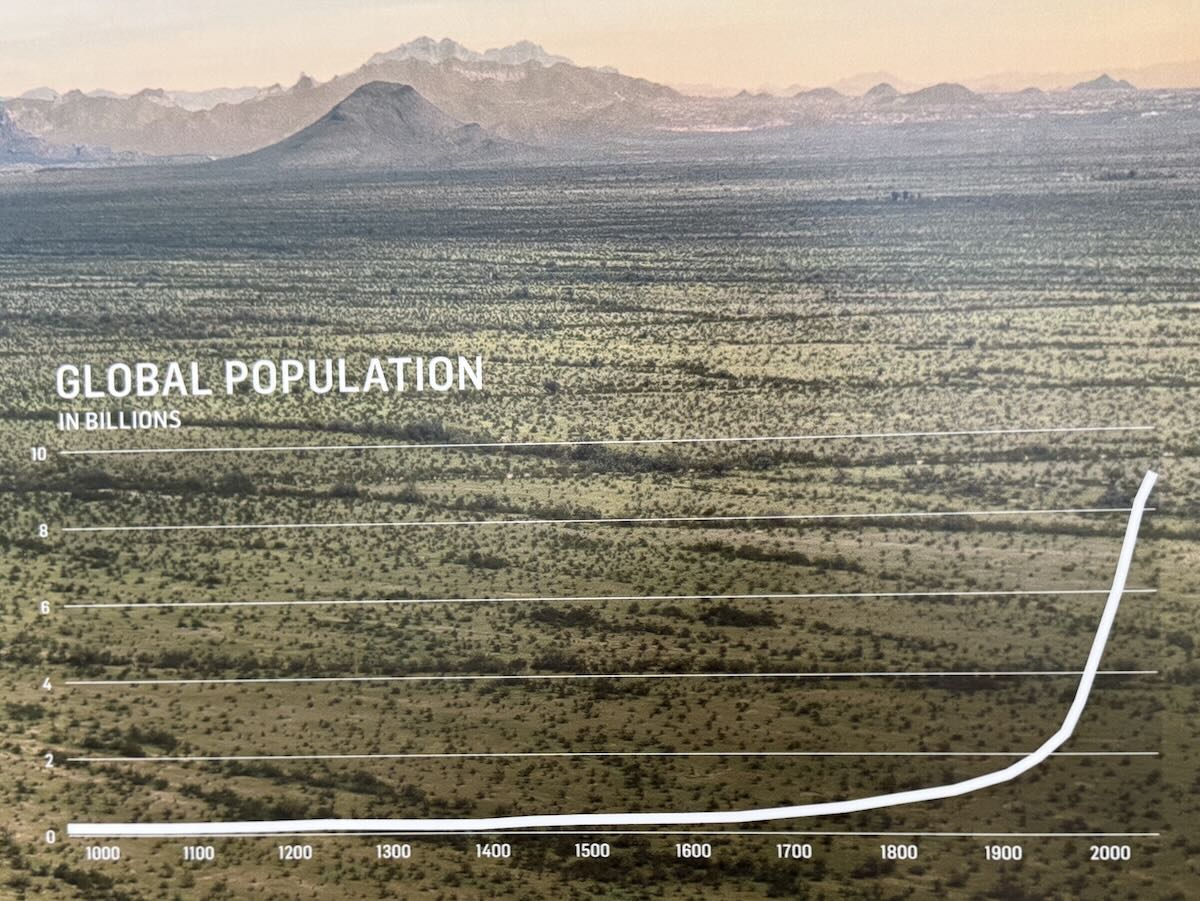
 What really blew my mind was this graph.
 The hour-long drive from Biosphere 2 into Tucson was slow and a little painful, with blah commercial scenery and too much time waiting at stoplights. “Why did we decide to come here again?” asked my husband, Adam, at one point, which was an ominous sign. I reminded him that we were already planning to visit snowbird friends in Scottsdale, and that by driving, we could stop en route to see see my parents in the Coachella Valley. So why not add a little detour to Tucson? I hadn’t been there in decades and it’s said to be cooler and rougher around the edges than Phoenix. The deal was sealed when a family friend told me that Tucsonans call the city The Dirty T. If ever I aspired to a nickname….
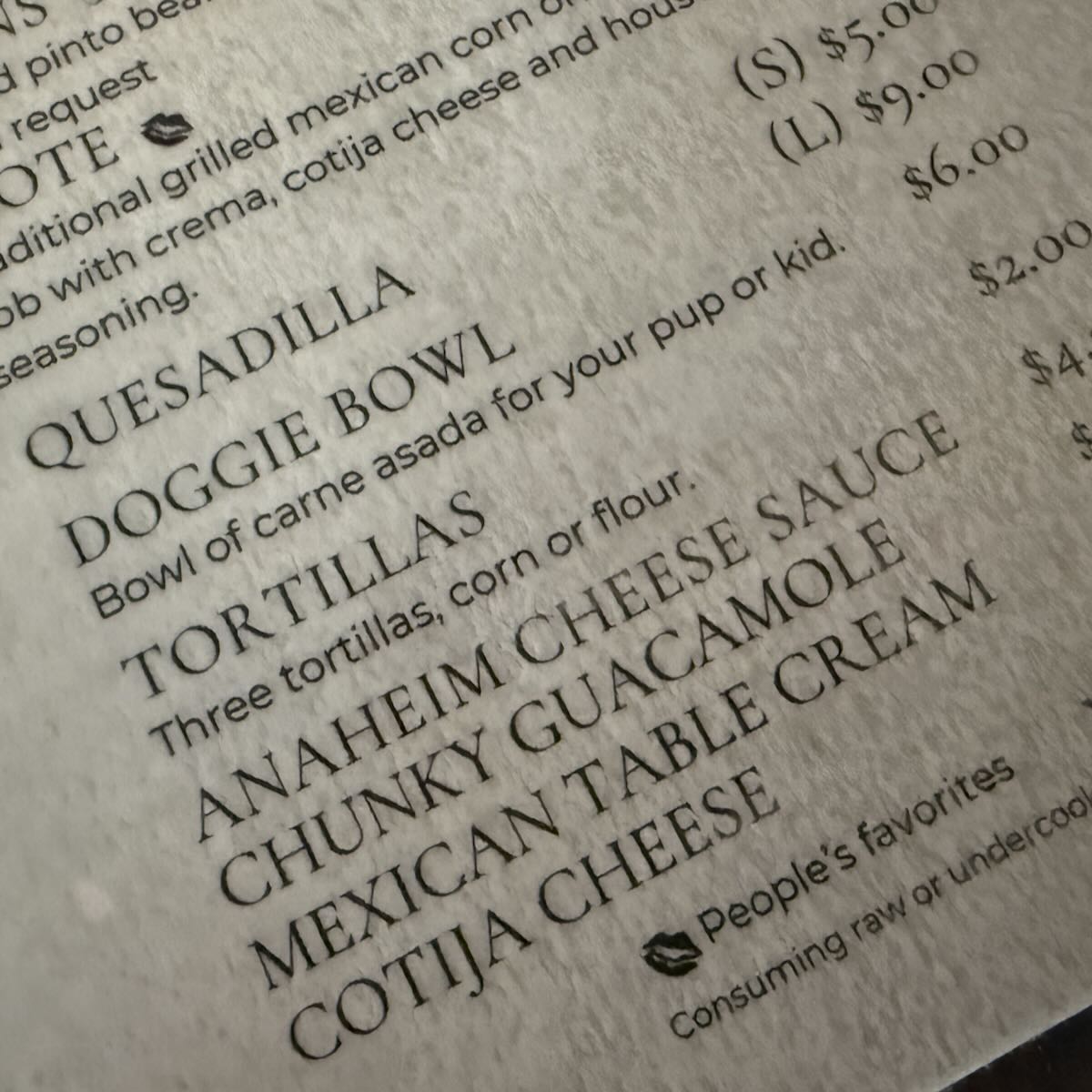
Looking at it from that point of view, we should’ve liked Boca more than we did—the dining room fells like a bar during daylight hours, and the food all sounded like it would be better accompanied by alcohol. I did find this menu item amusing. Here’s an idea: order one and let the dog and kid fight it out.
 While traveling, we almost always take a stroll around a residential neighborhood to get a sense of how people live. Another friend recommended the Sam Hughes neighborhood east of the university, and it did not disappoint.
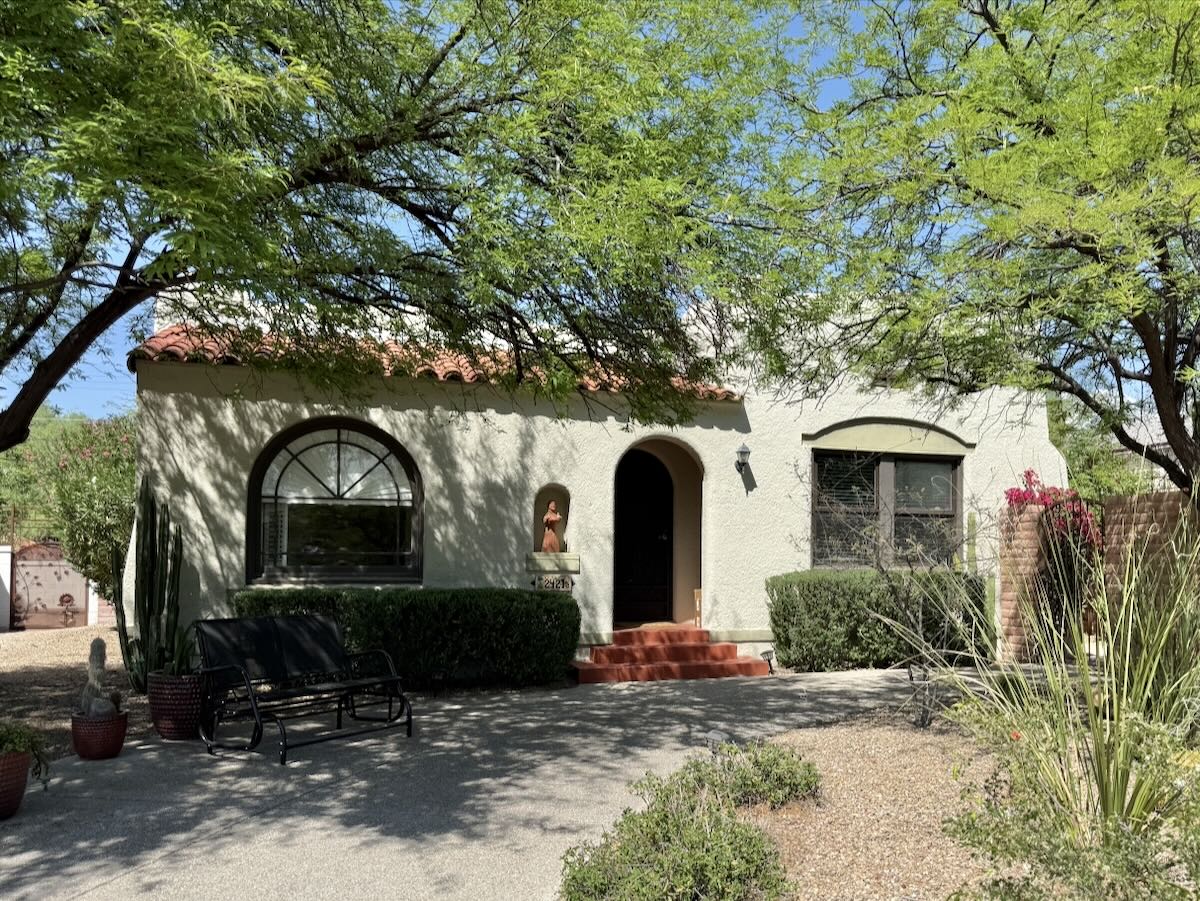
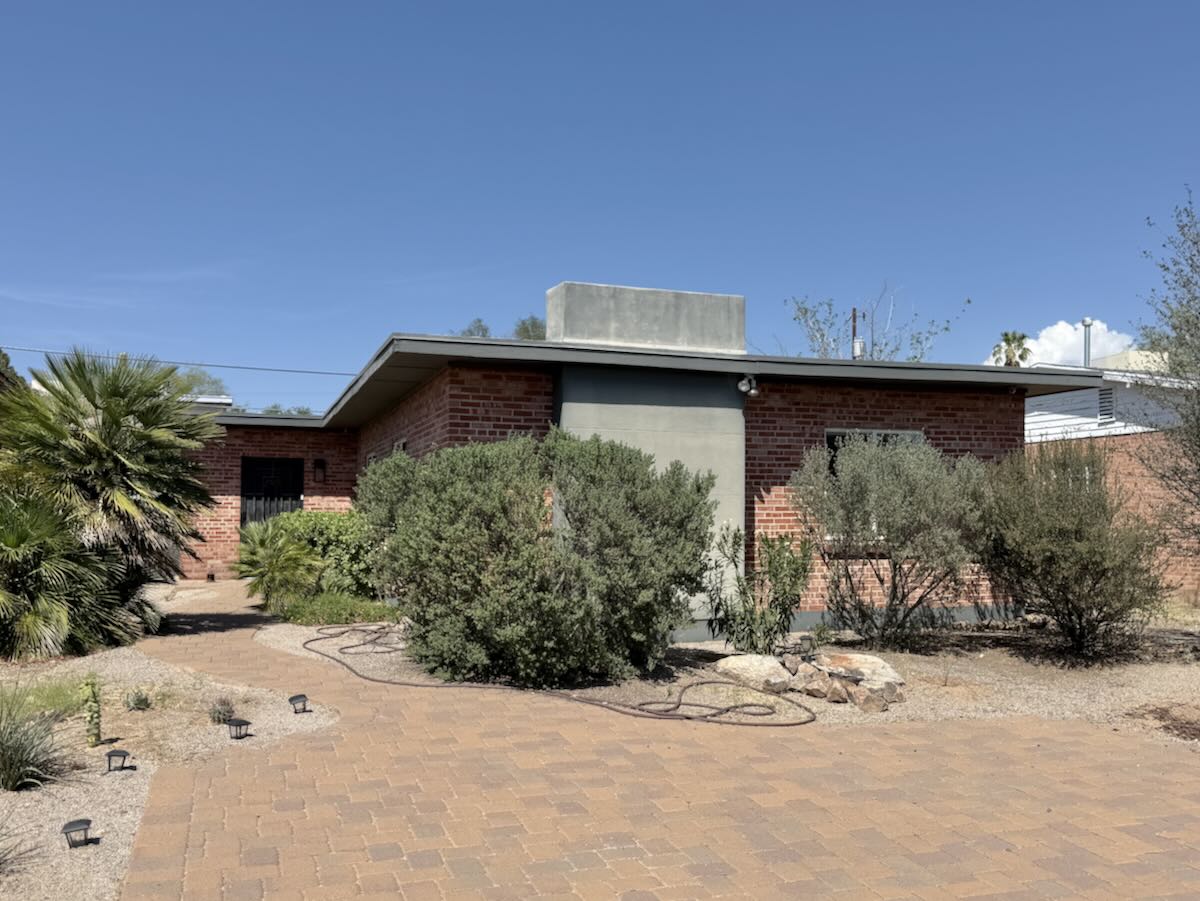
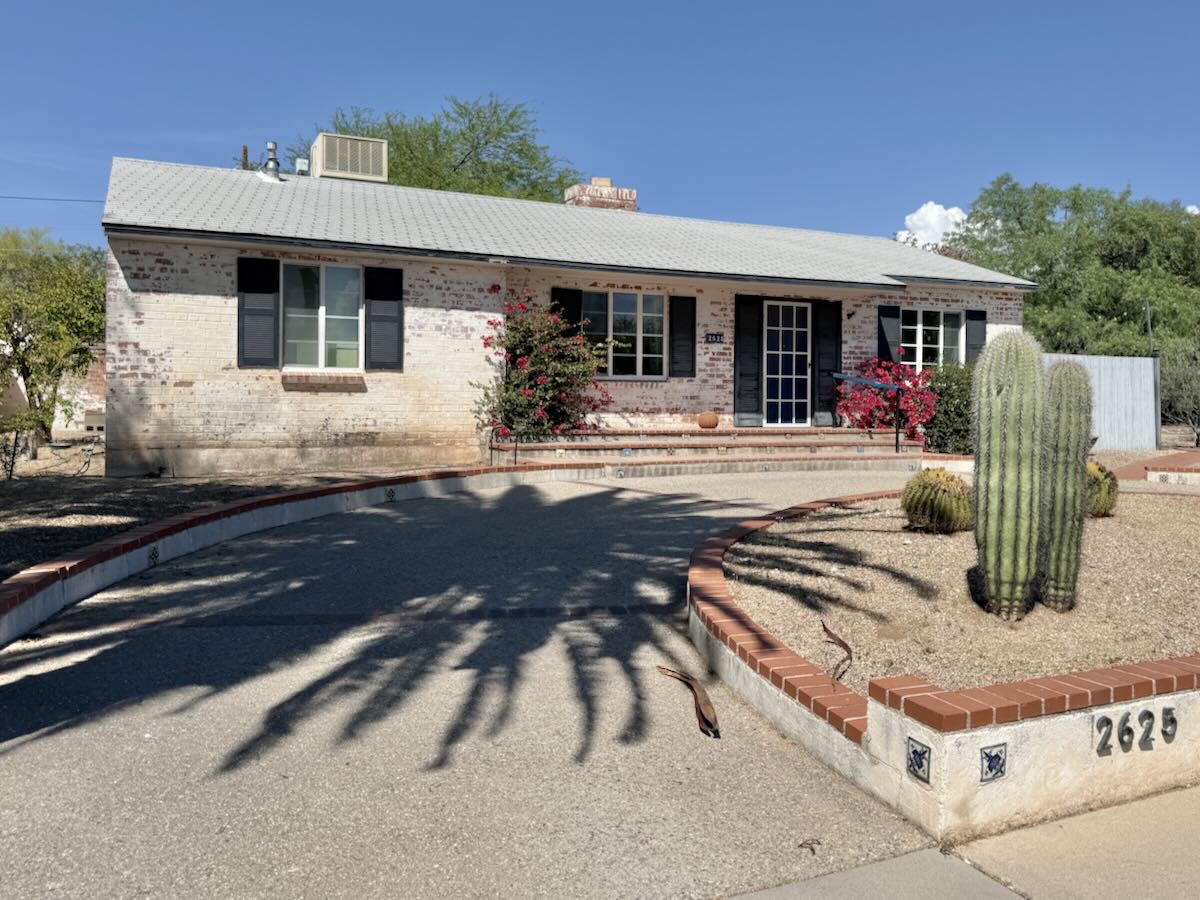
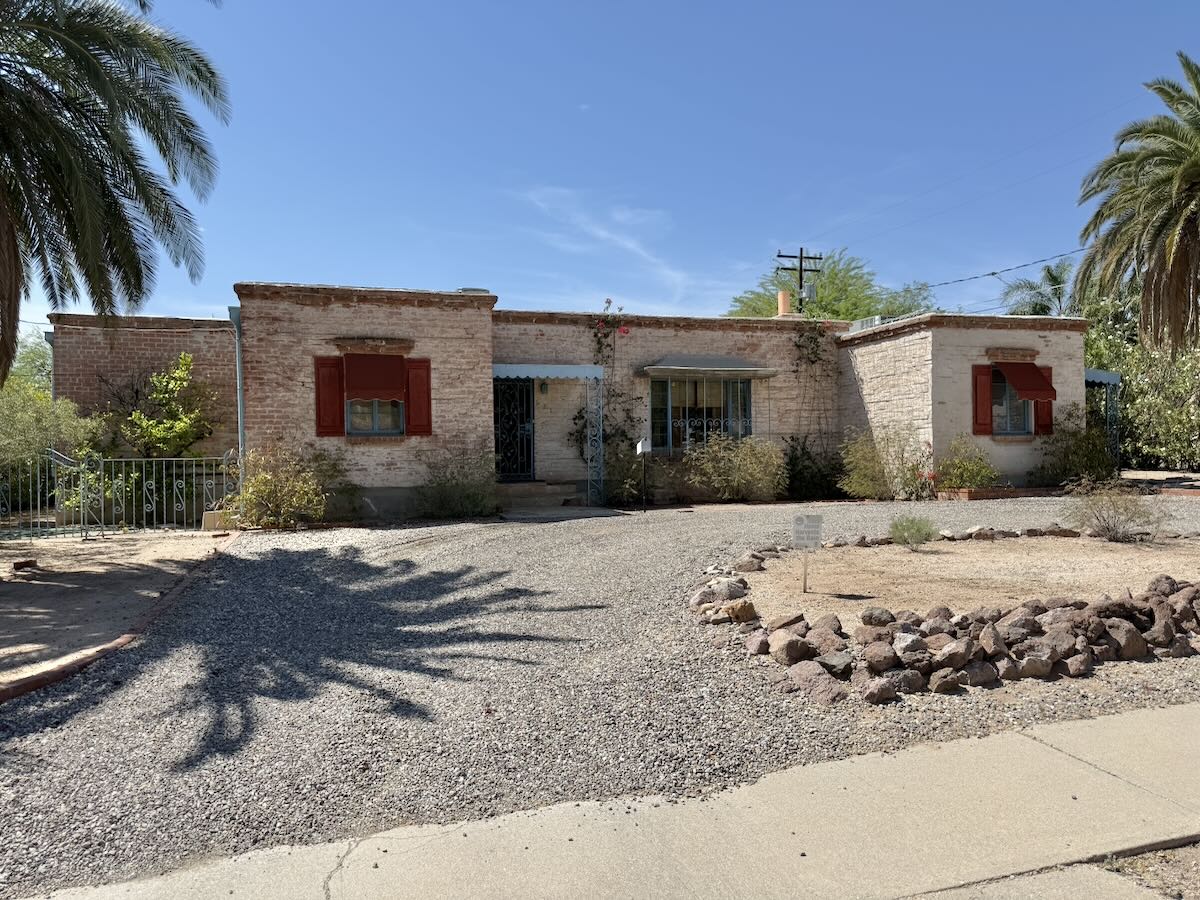
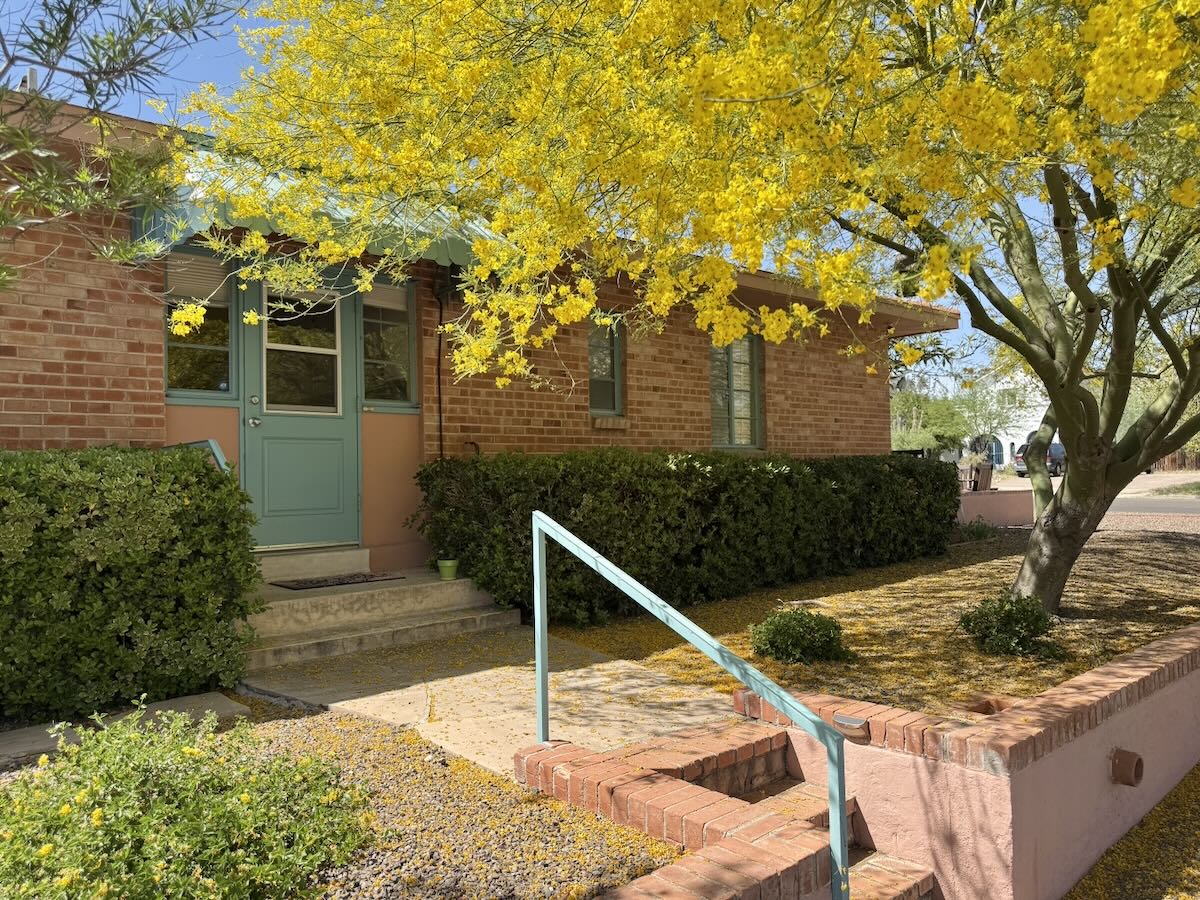
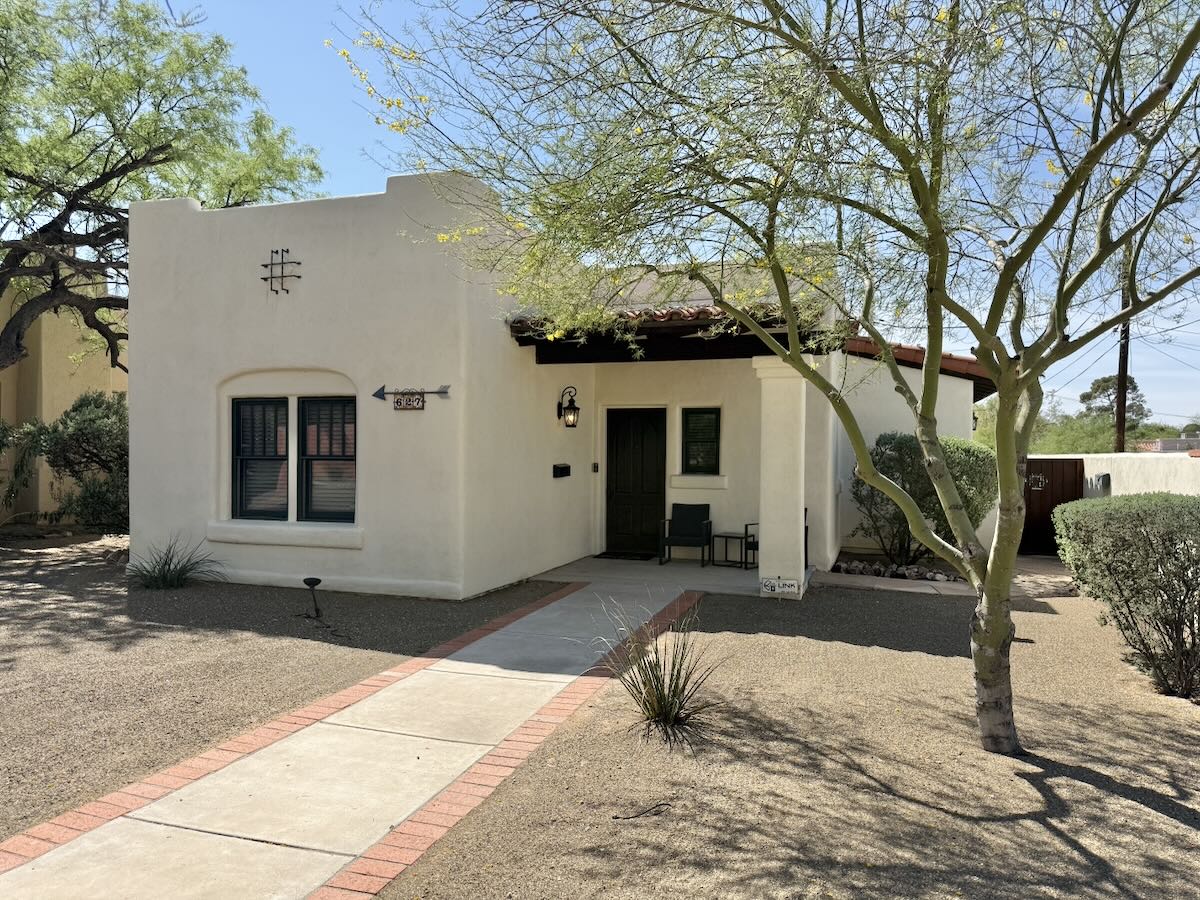
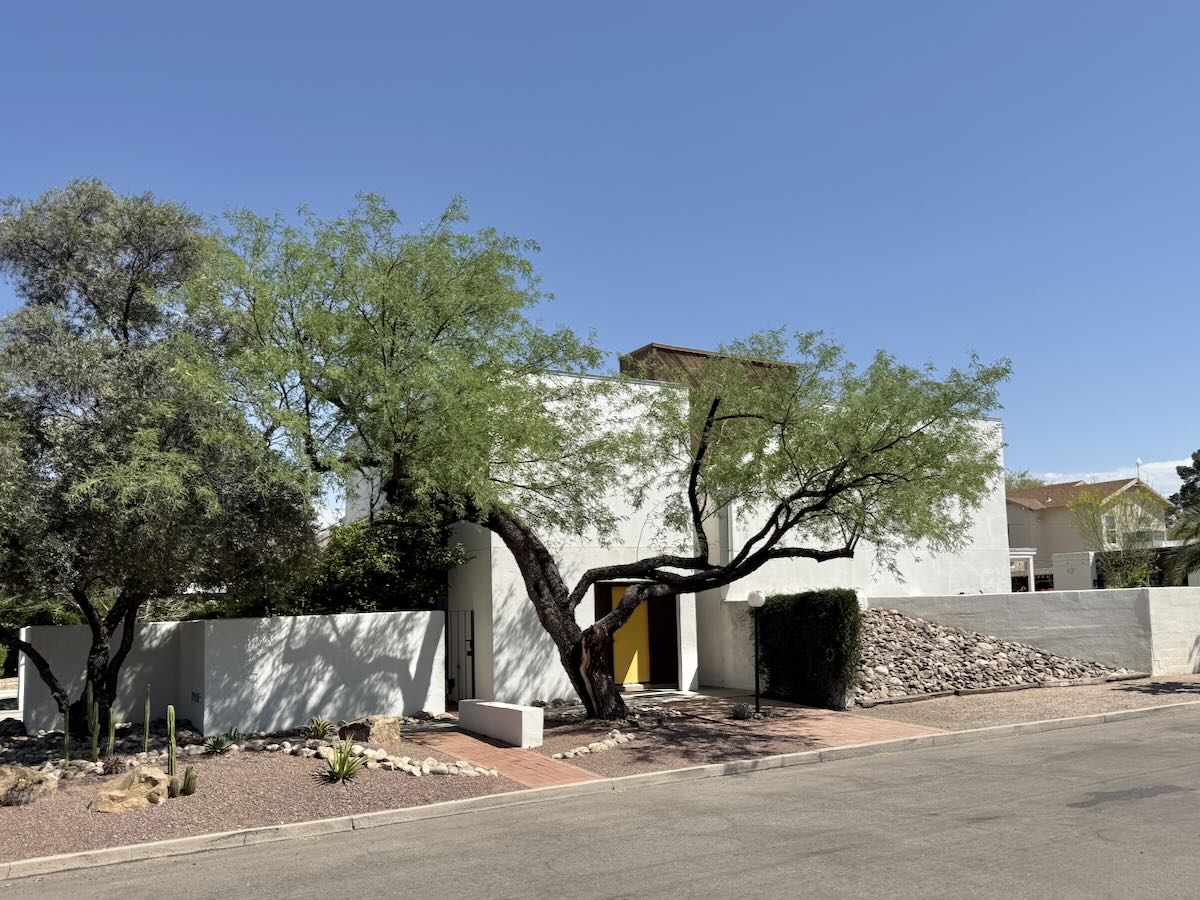
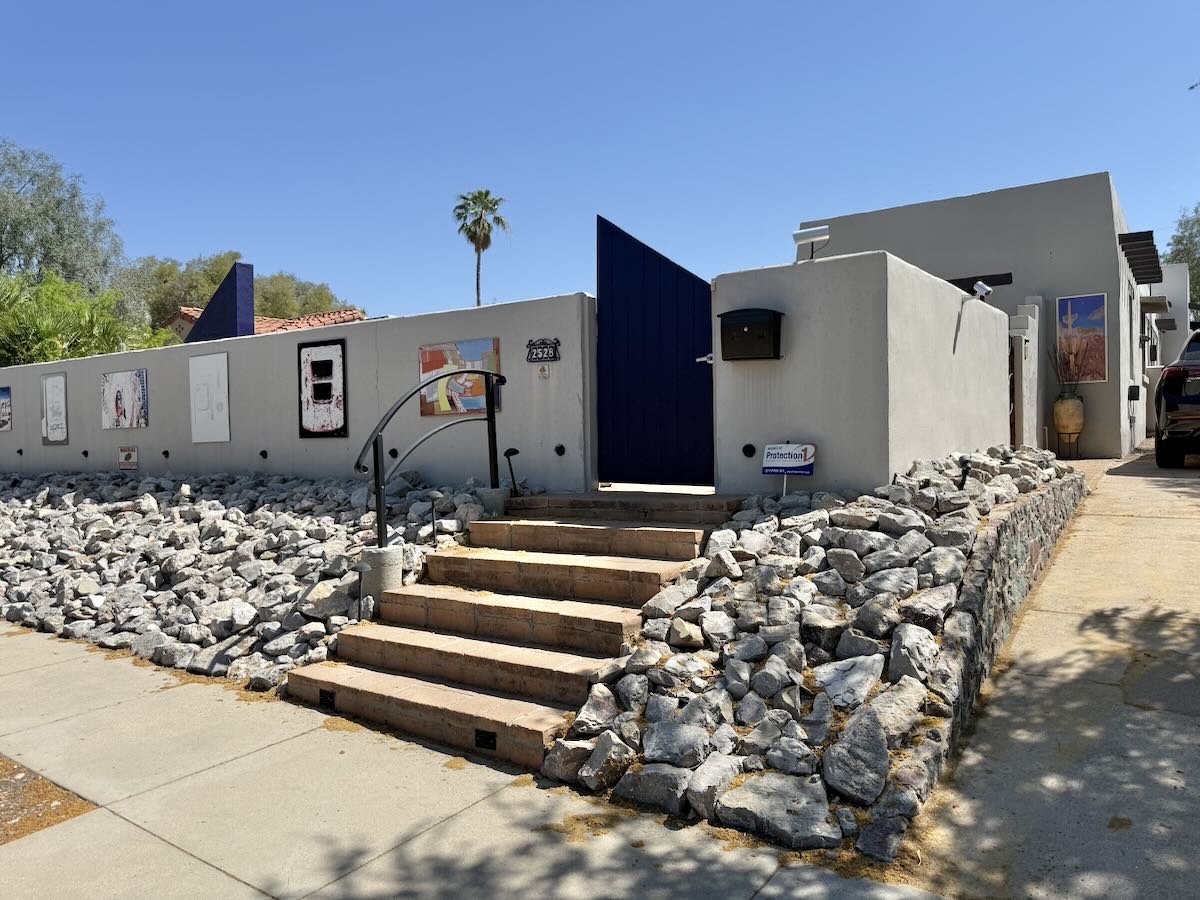
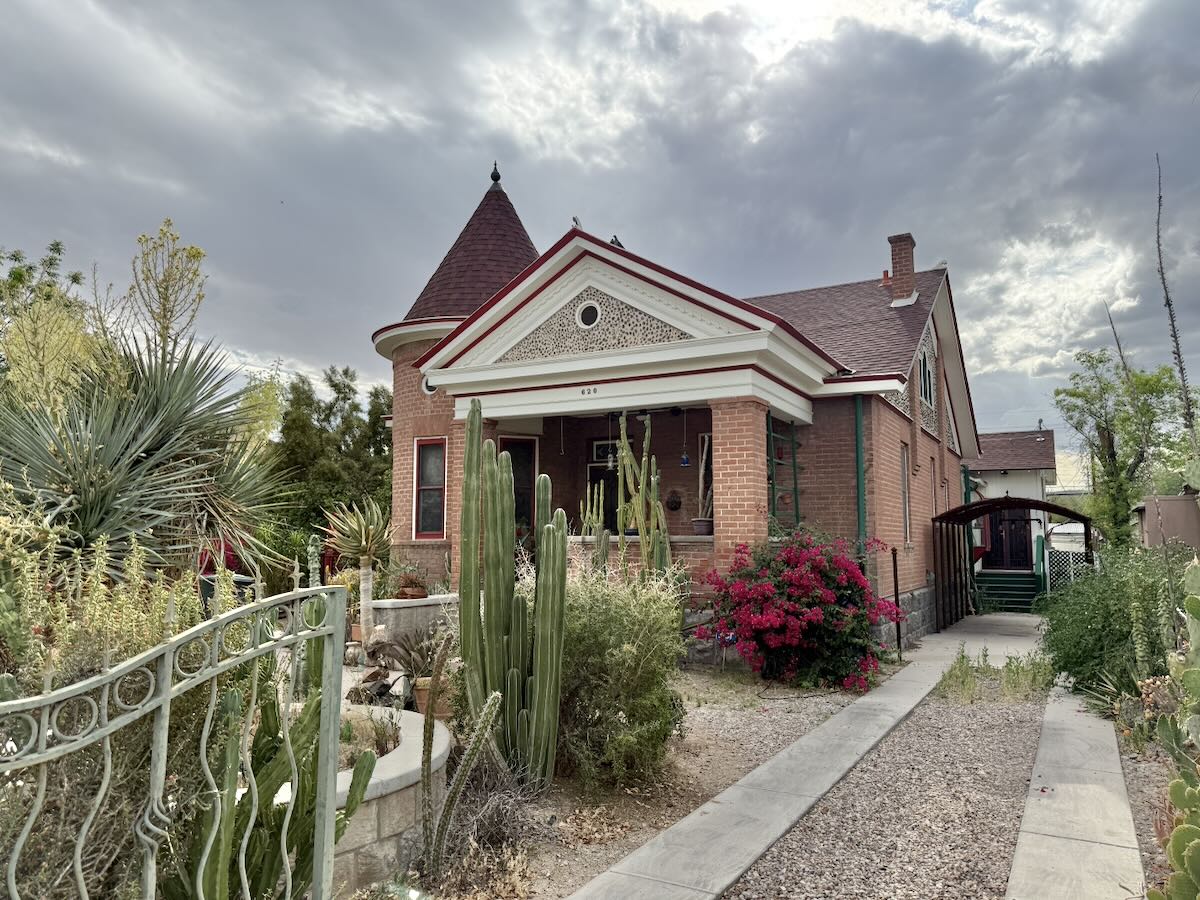
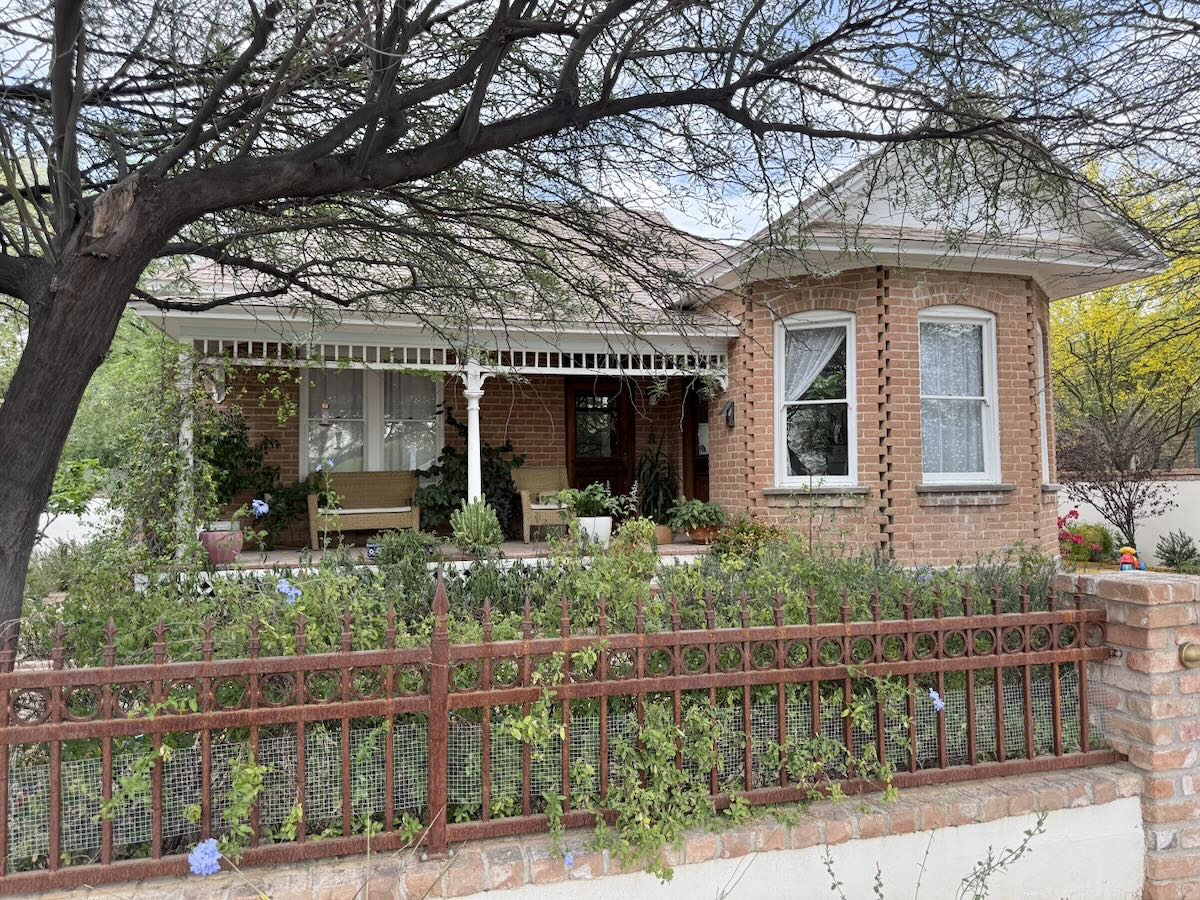
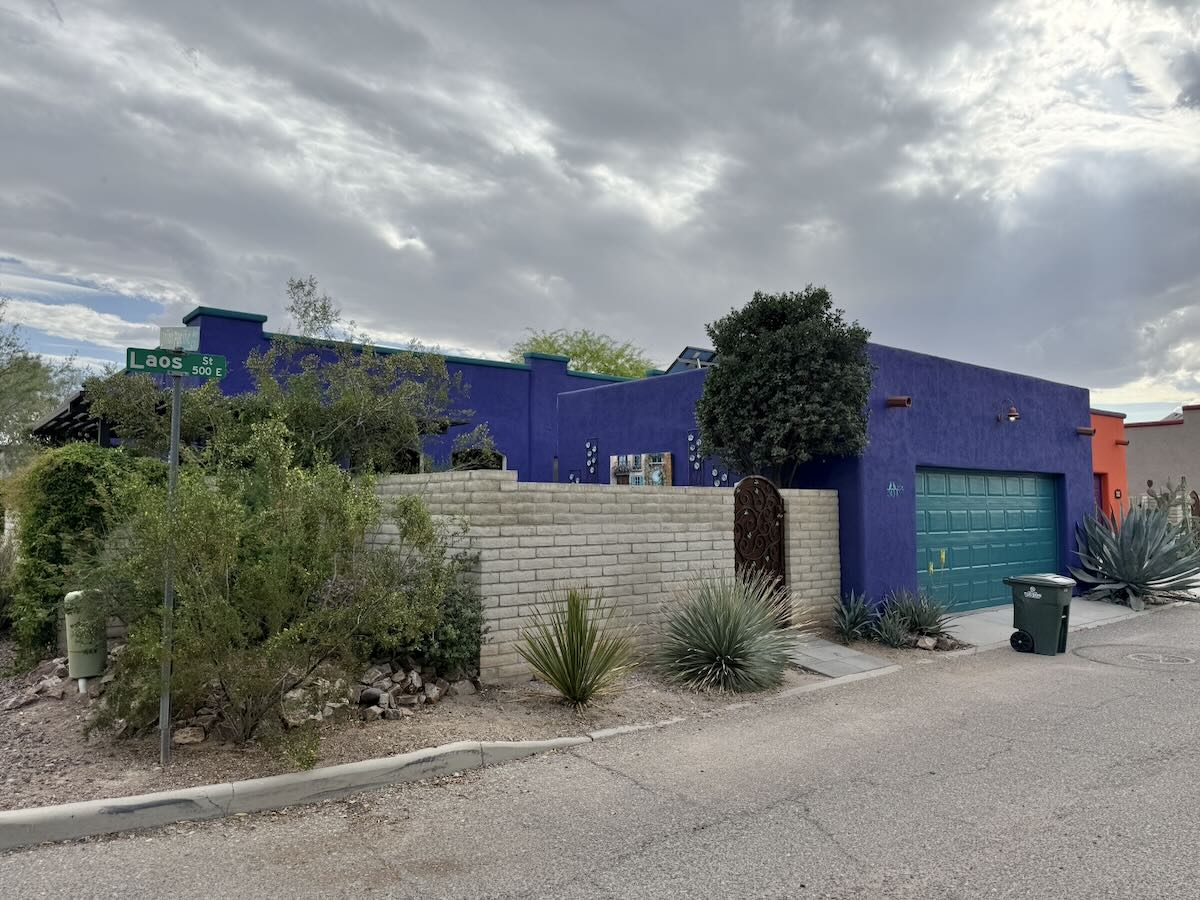
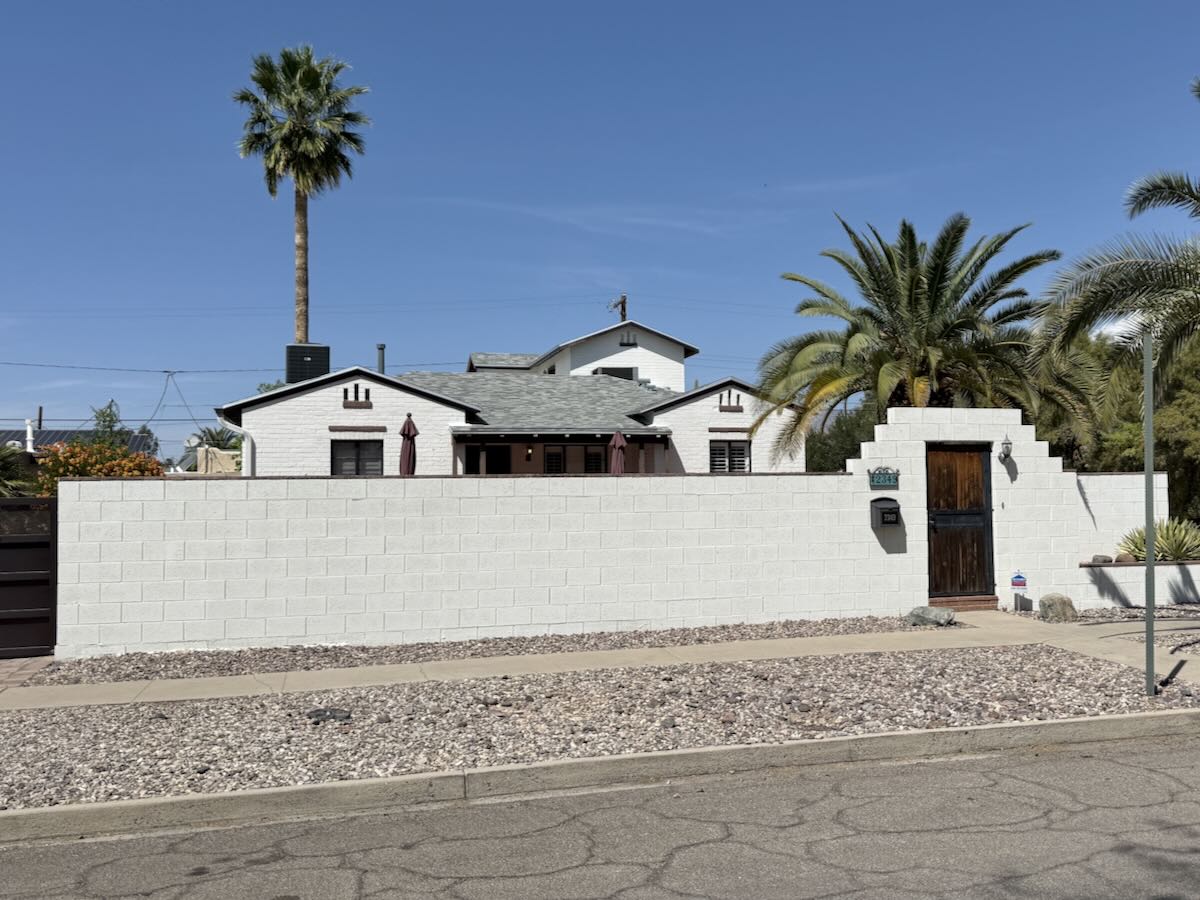 The house in the first photo below looks as if an architect was his or her own client. If I didn’t successfully capture its quirk, perhaps you can at least see the rock pile to the right of the front door. And how about those gates at the house in the second photo?
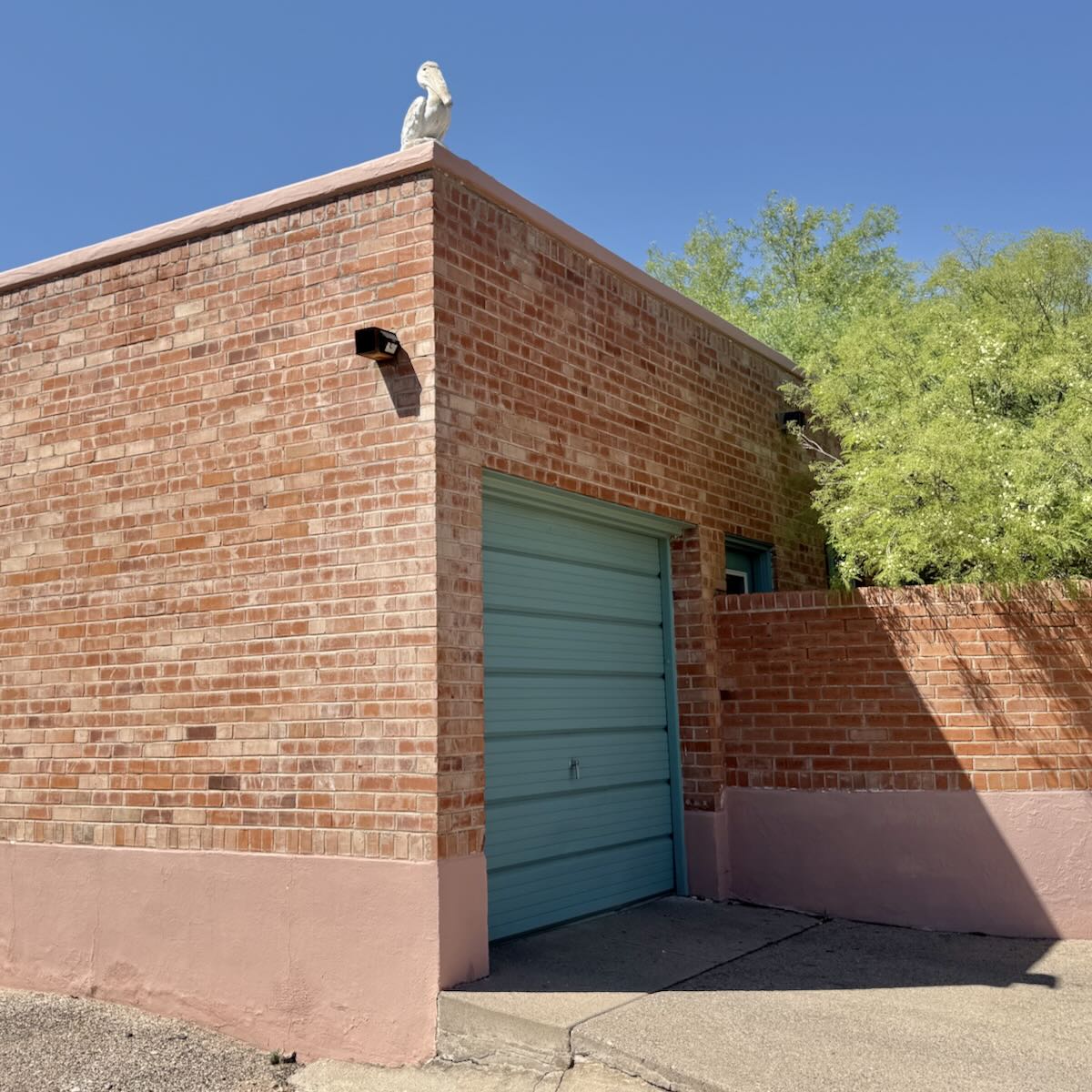
 I think this pelican was intended as a sight gag, but it did make me wonder whether a fake pelican ever serves a useful purpose, the way an artifical owl scares off other birds. Is anything scared of pelicans besides fish?
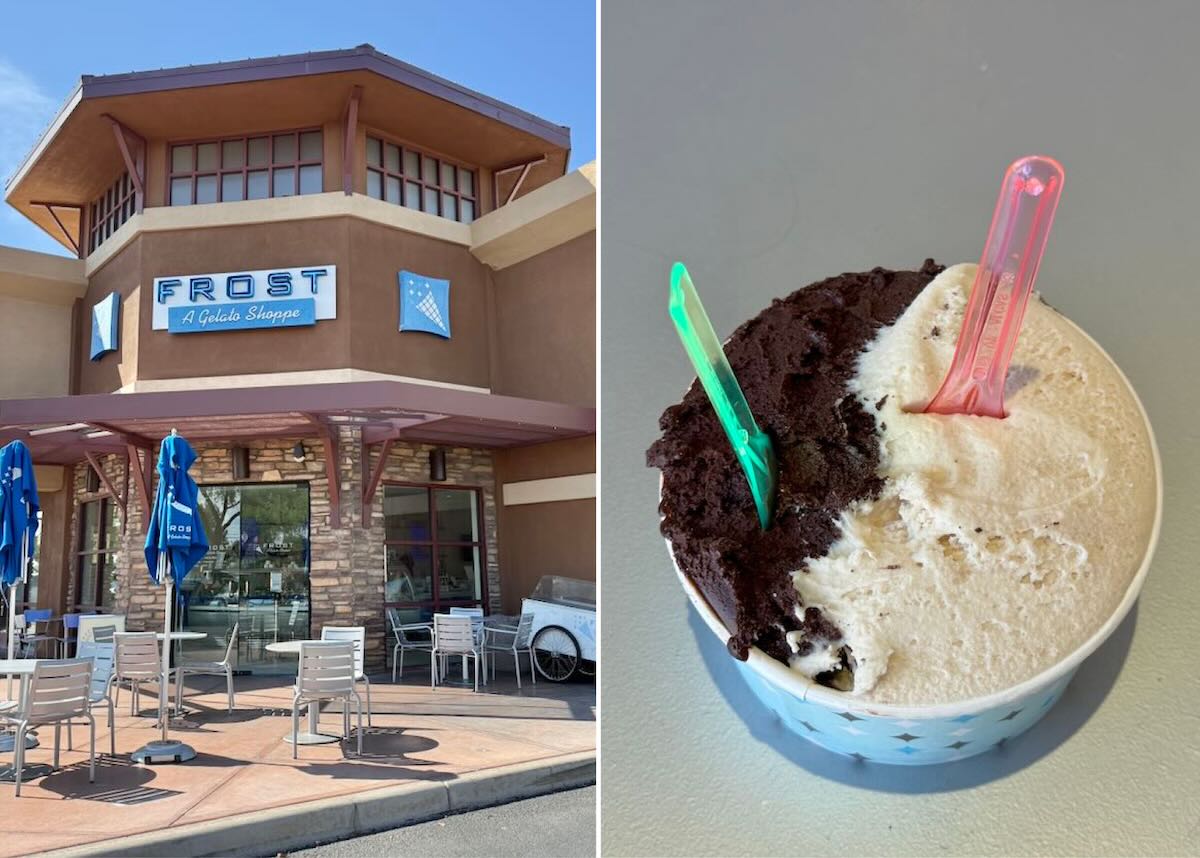
 Whenever Adam starts losing patience with my itinerary, I put ice cream on the problem. Founded by two U of A alums in 2005, Frost (“A Gelato Shoppe”) now has 10 locations in the Southwest and outposts in Kuwait (with more planned in many other Middle East countries). The dark chocolate gelato was superb, rich with cocoa flavor; I paired it with Lotus Cookie gelato. because the shoppe was out of marble black cherry.
 Finally, it was time to check in at The Armory Park Inn. The hotel gets great reviews online, but I was worried, because the Tucsonans I know had never heard of it. (Their suggestions tended to be resorts, which are not ideal for exploring a city.) There was no need to be concerned: the inn is a total winner. Innkeeper Amy Draper, on duty during our stay, made us feel very welcome, and the building has a ton of character. We wanted a king bed, and I thought the second floor seemed like a good idea, which is how we ended up in a room that had nowhere to sit besides the bed. That didn’t pose a problem, for the property has plenty of appealing spots to hang out, inside and out.
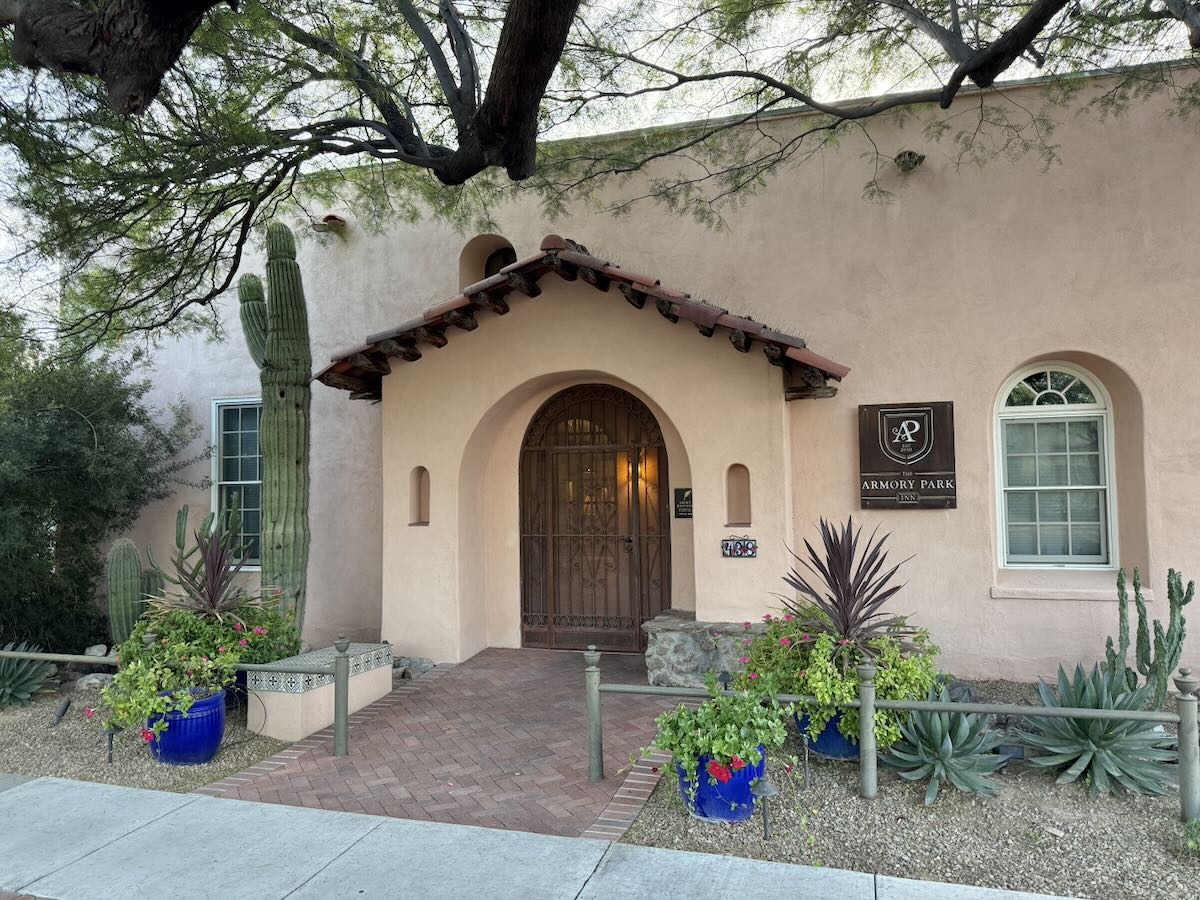
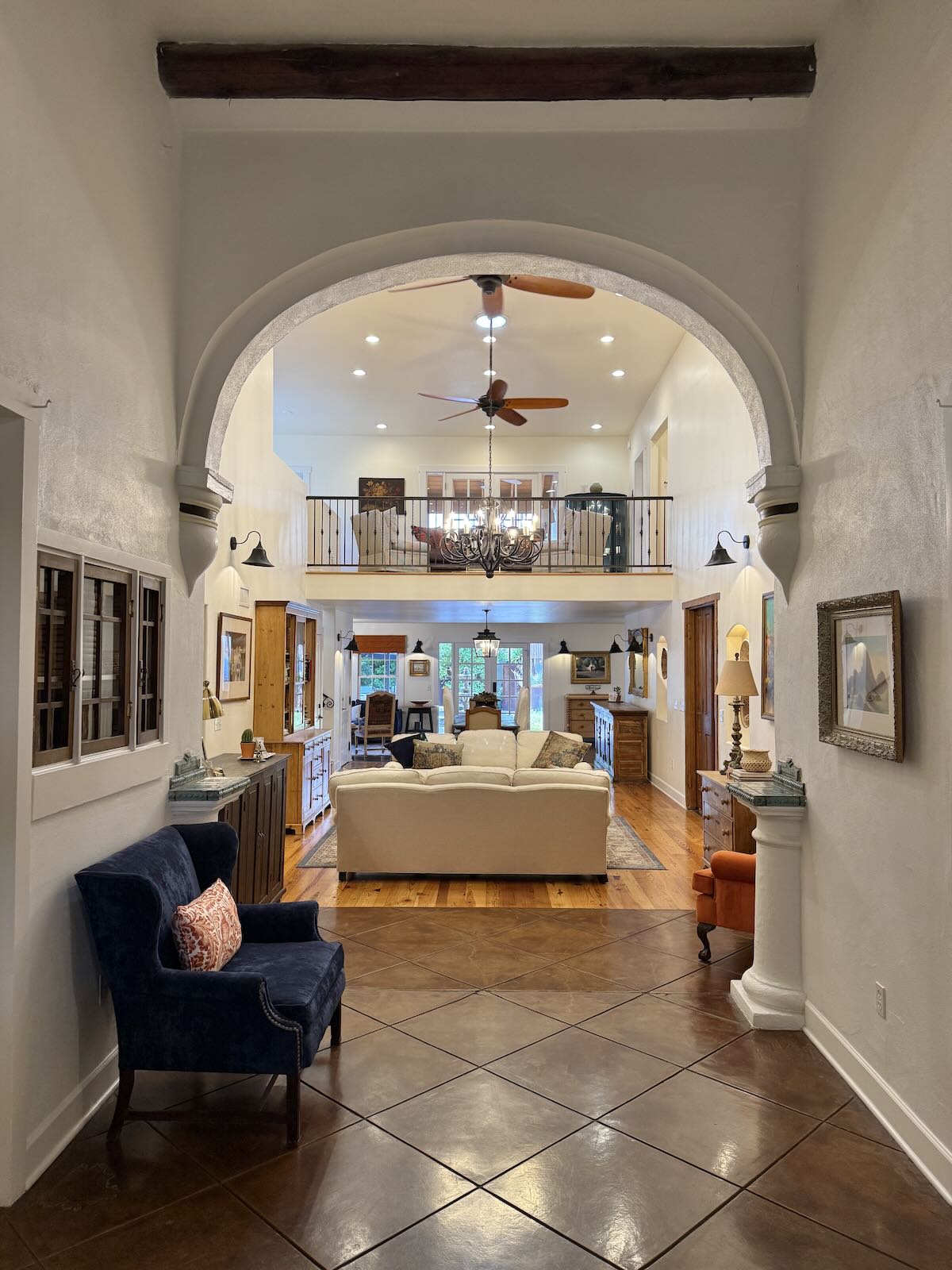
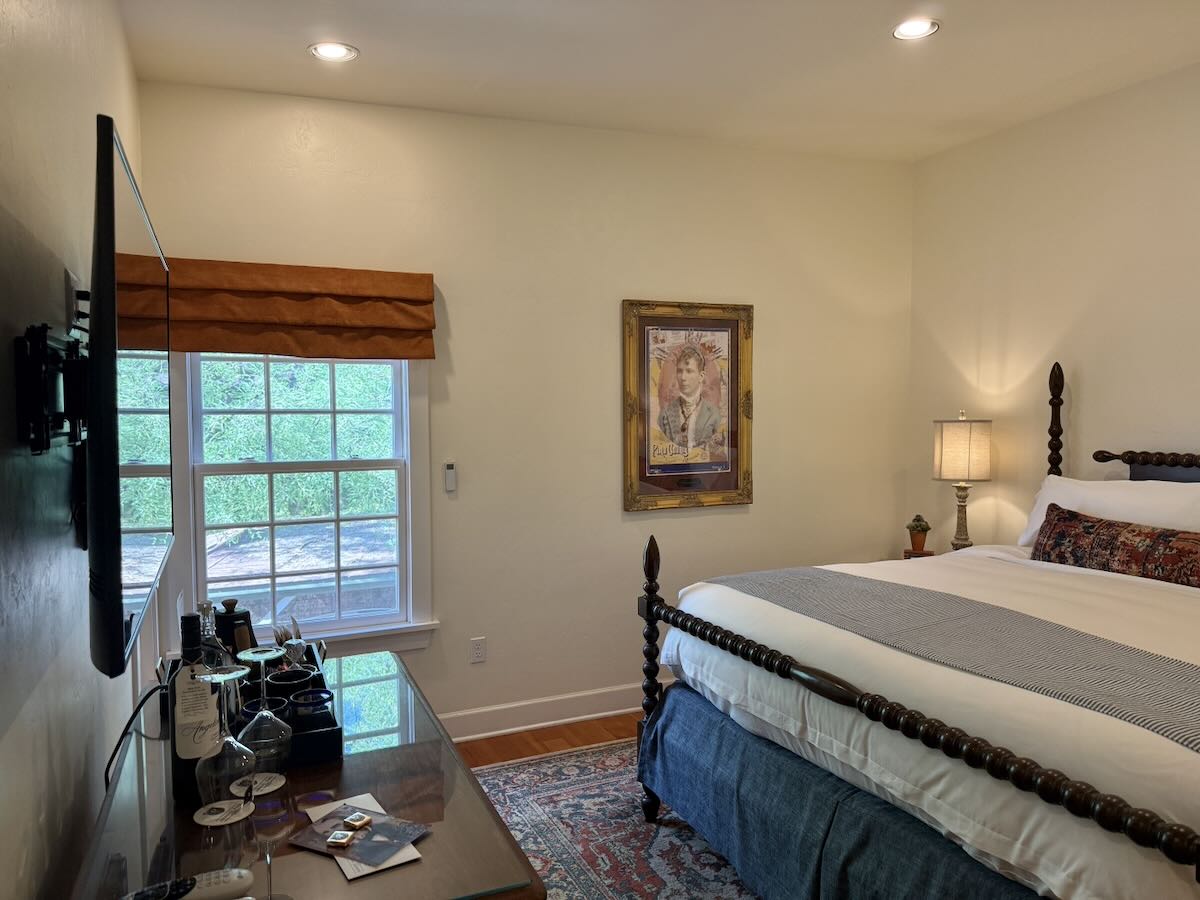
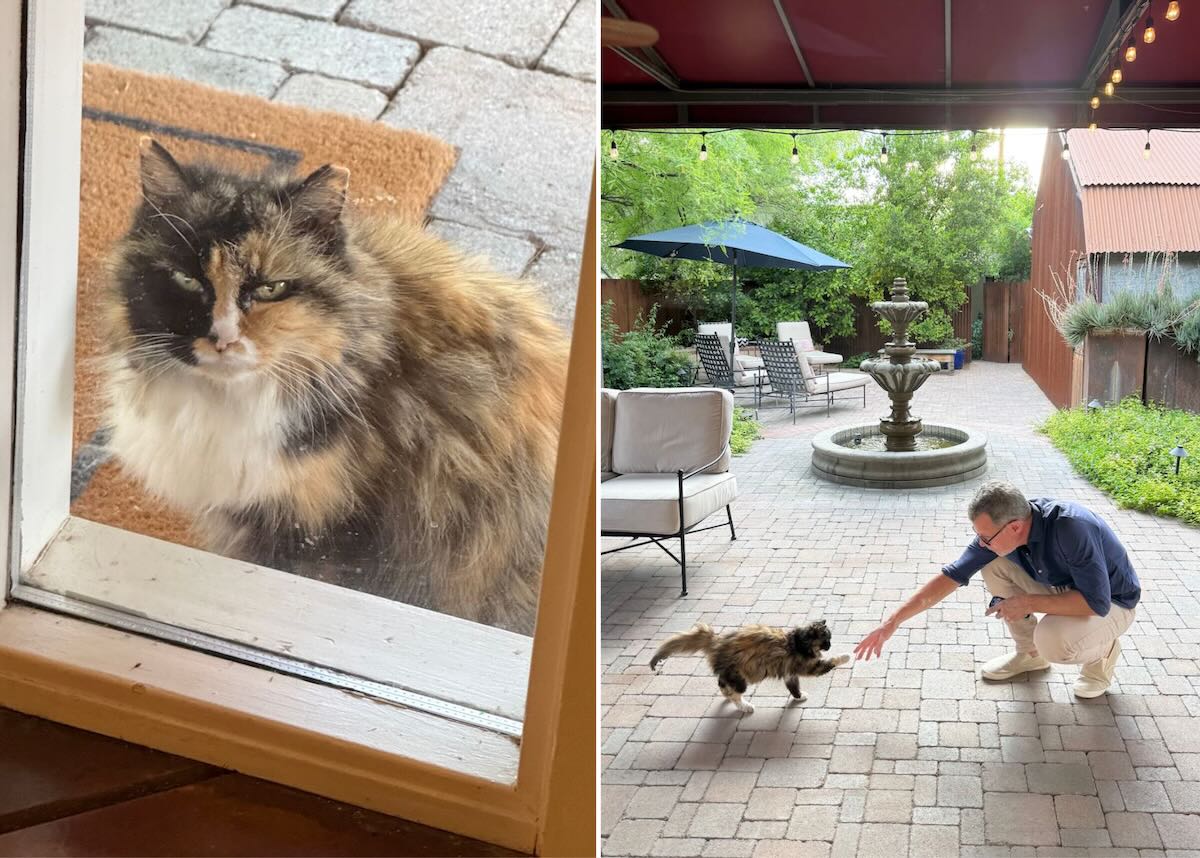
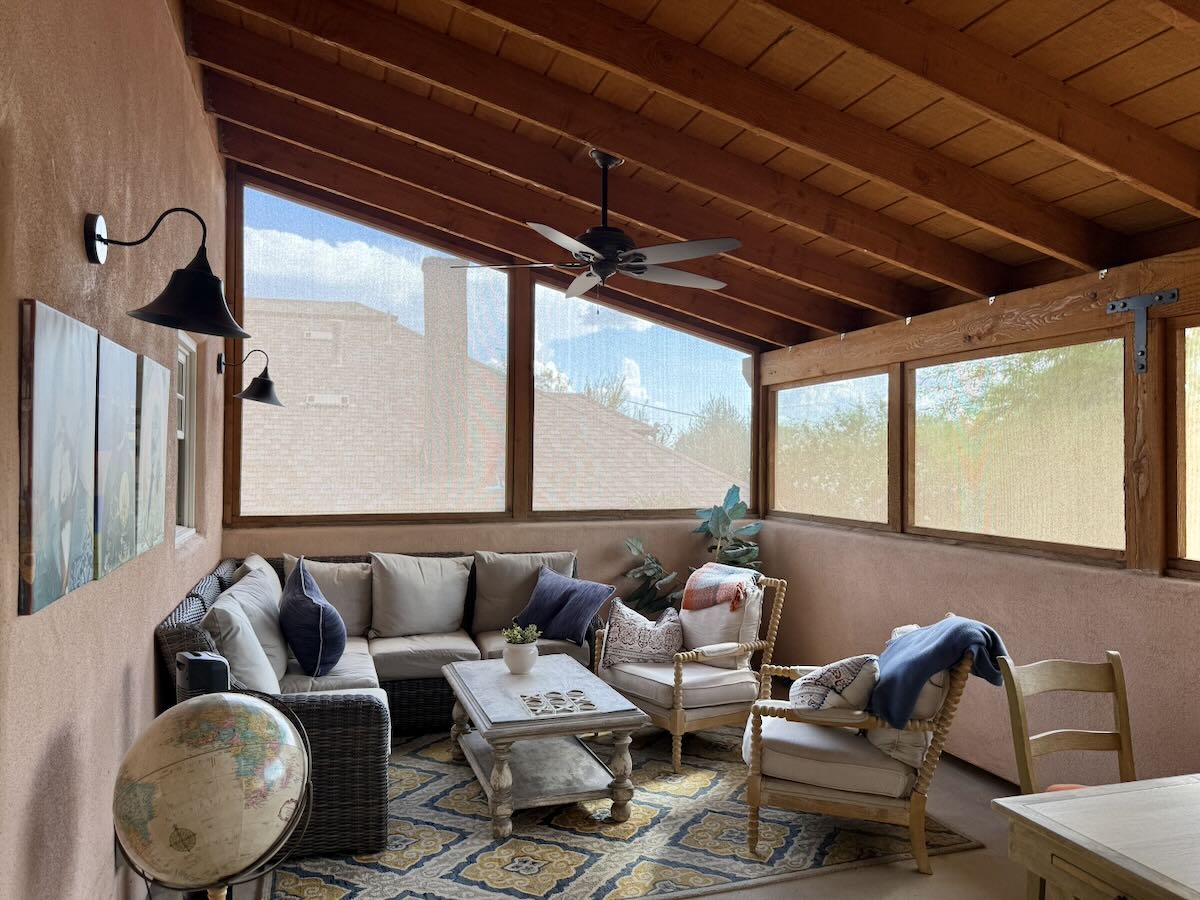 At feeding times, a deaf 23-year-old cat adopted by the inn shows up to scowl and meow at whoever it sees. Draper said that the cat’s previous owner had given it a vulgar name in Spanish but she “couldn’t remember” what the word was.
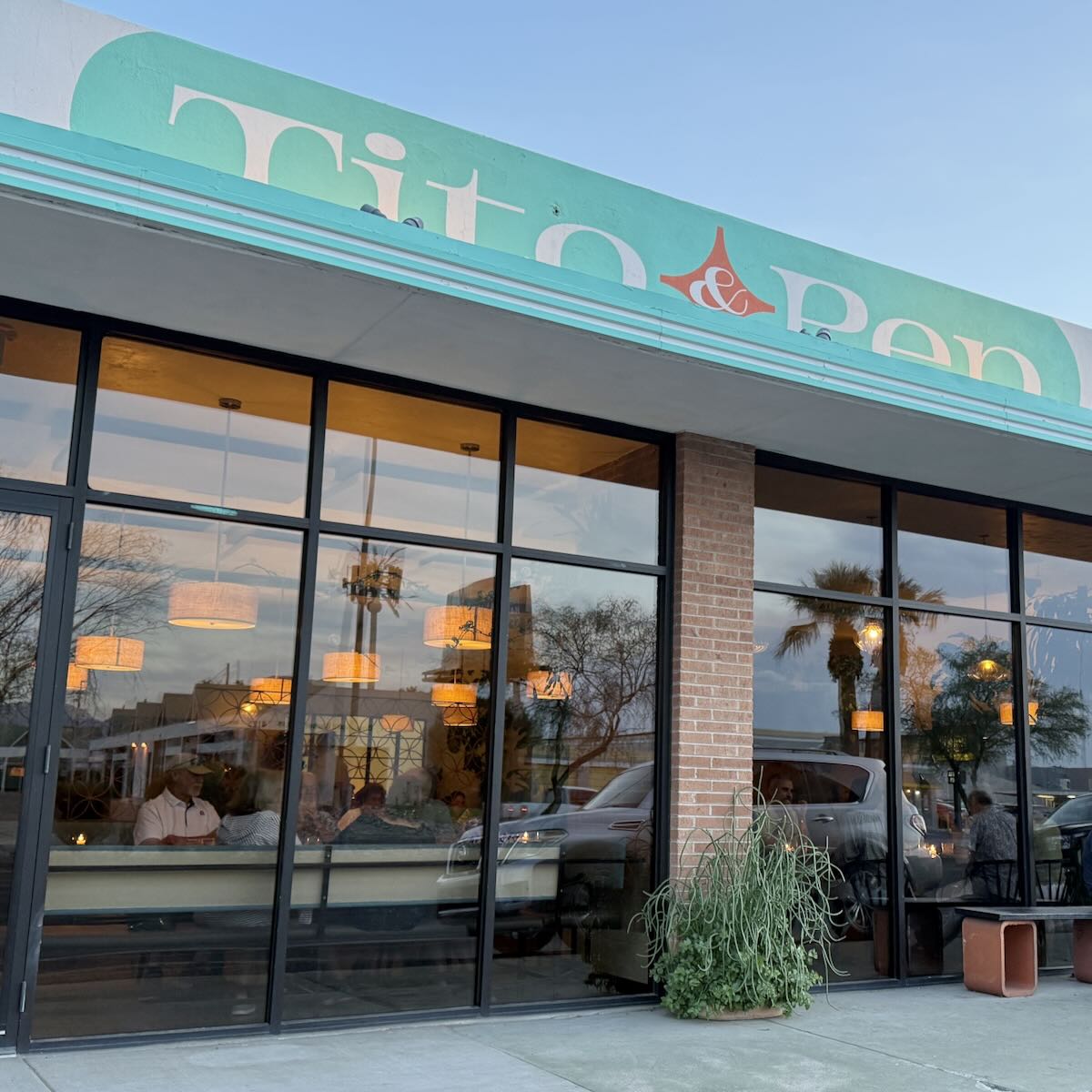
 Our first dinner was at Tito & Pep, where the food was excellent—in particular, swordfish with roasted fennel, parsnip purée, and citrus. I was a little surprised when the server made a point of mentioning that the citrus included grapefruit. Was she suggesting we might be on statins?
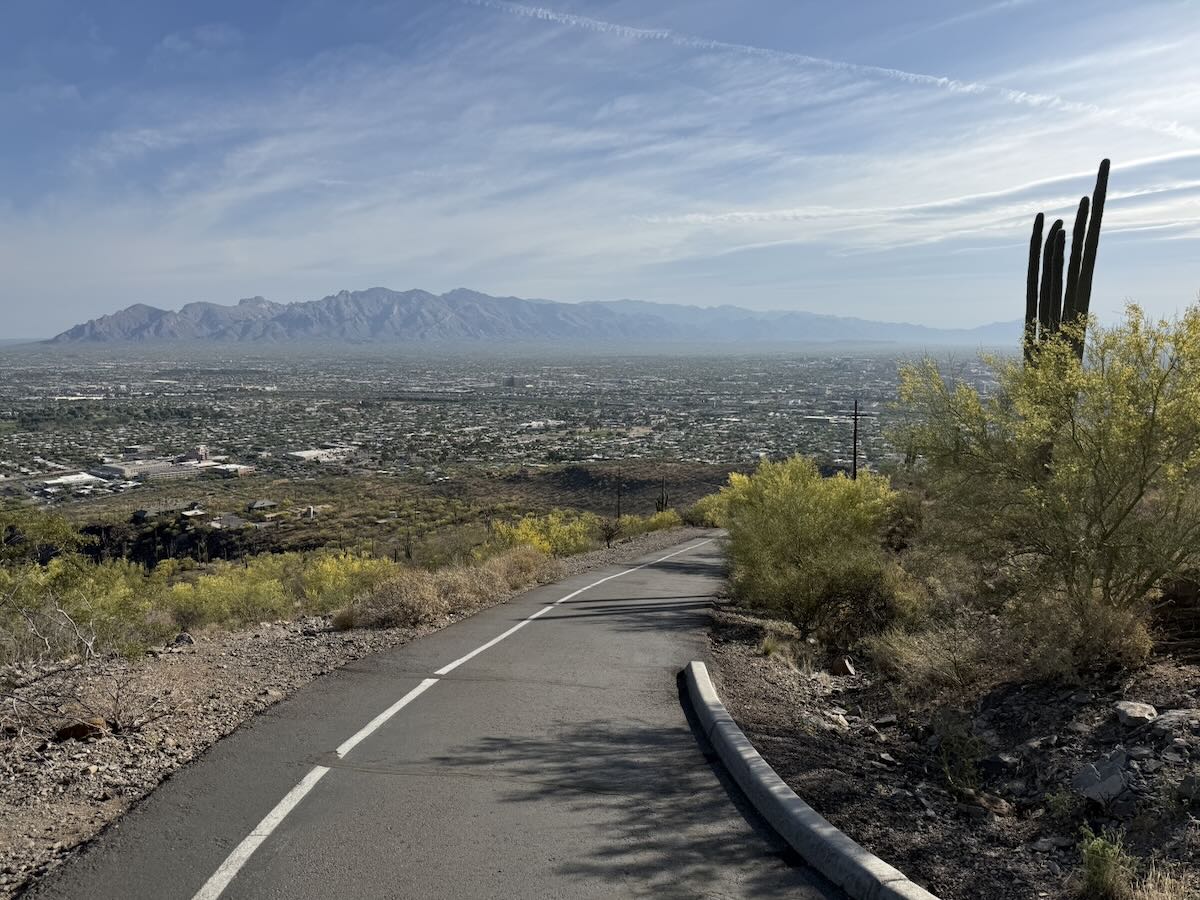
 Writing about our trips makes me realize how often Adam and I do the same things everywhere we go—the aforementioned walking and gelato, of course, as well as morning visits to cool coffee shops (Exo Roast Co.) and hiking. The driving was starting to be a drag, so instead of a prettier hike farther away, we walked up Tumamoc Hill, just west of downtown. The views of the city are pleasant, but we liked the people-watching just as much.
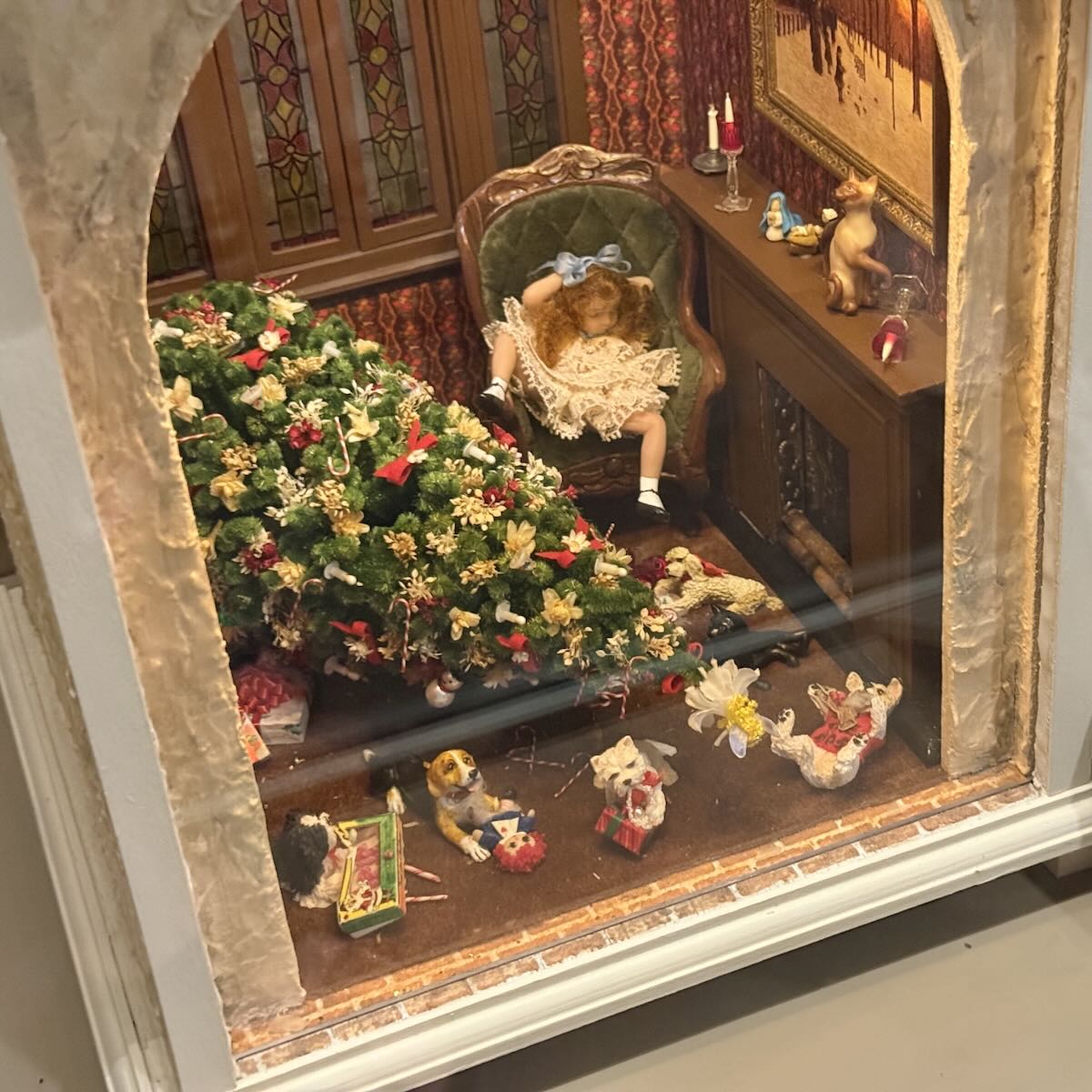
 And then we went to The Mini Time Machine Museum of Miniatures, where we overlapped with a field trip or two—there must have been 100, maybe 200, young children, all yelling. It was hellish. We stayed just long enough to be impressed by the craftsmanship and to wonder how one takes up this particular hobby. Also, the diorama with the girl is very, very Balthus.
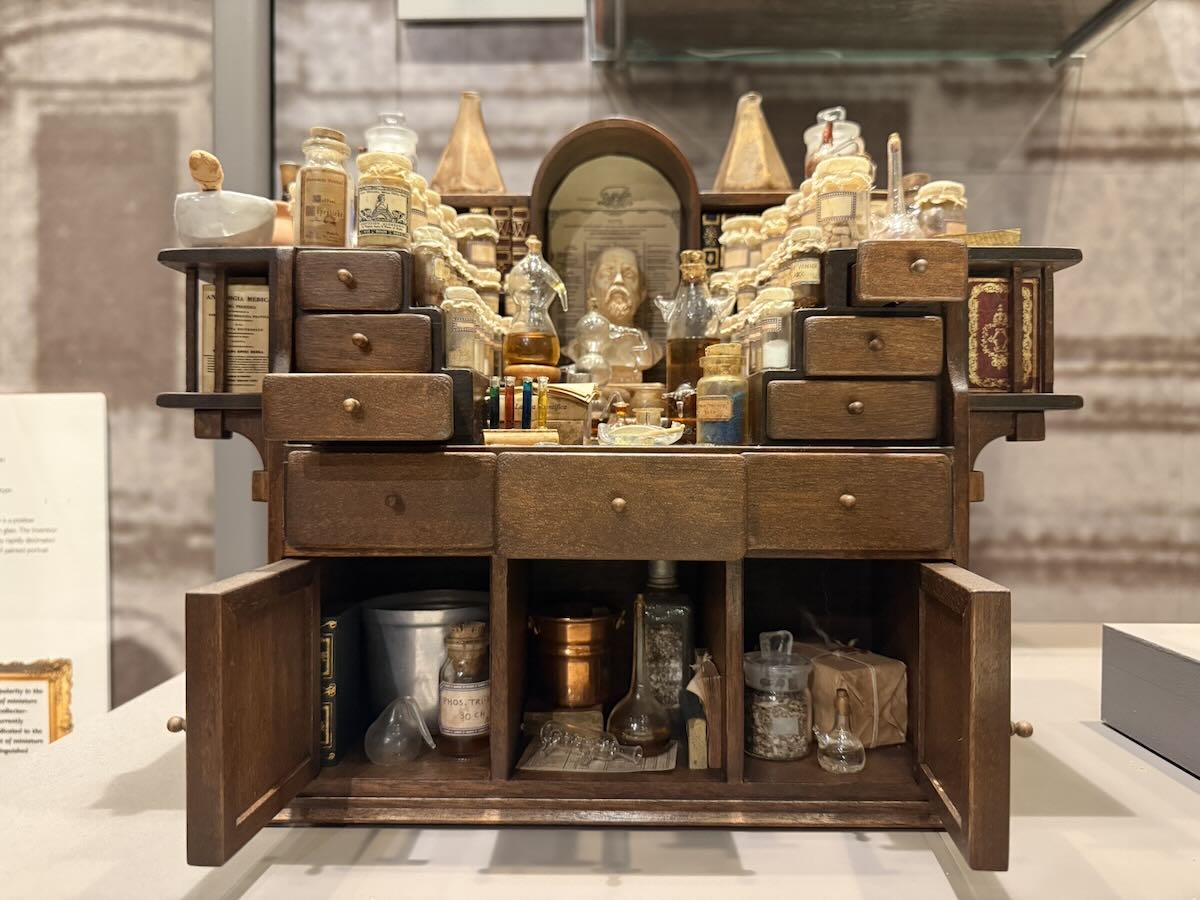
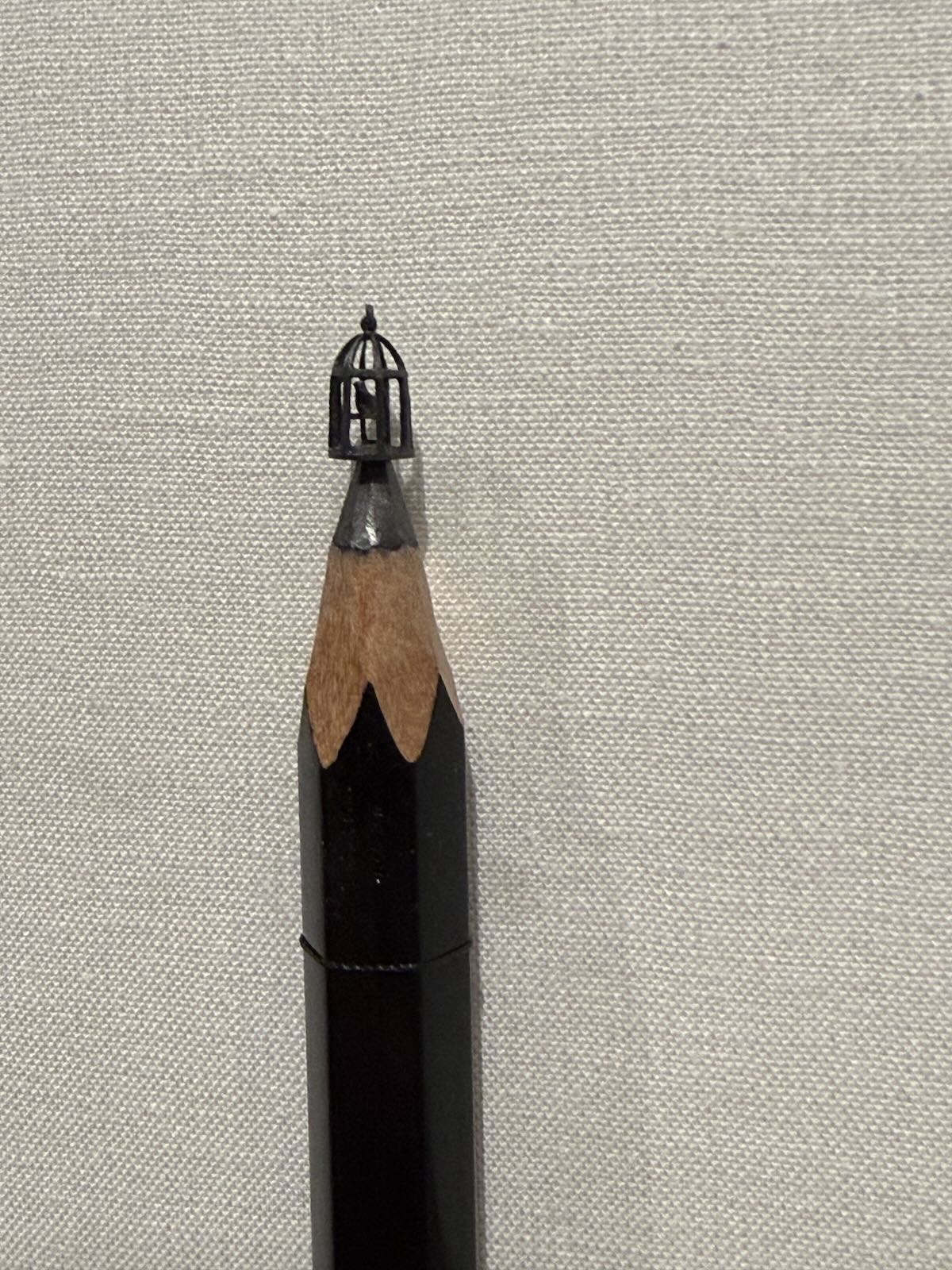
 The museum has a few examples of pencil tips carved into sculptures. Talk about painstaking work.
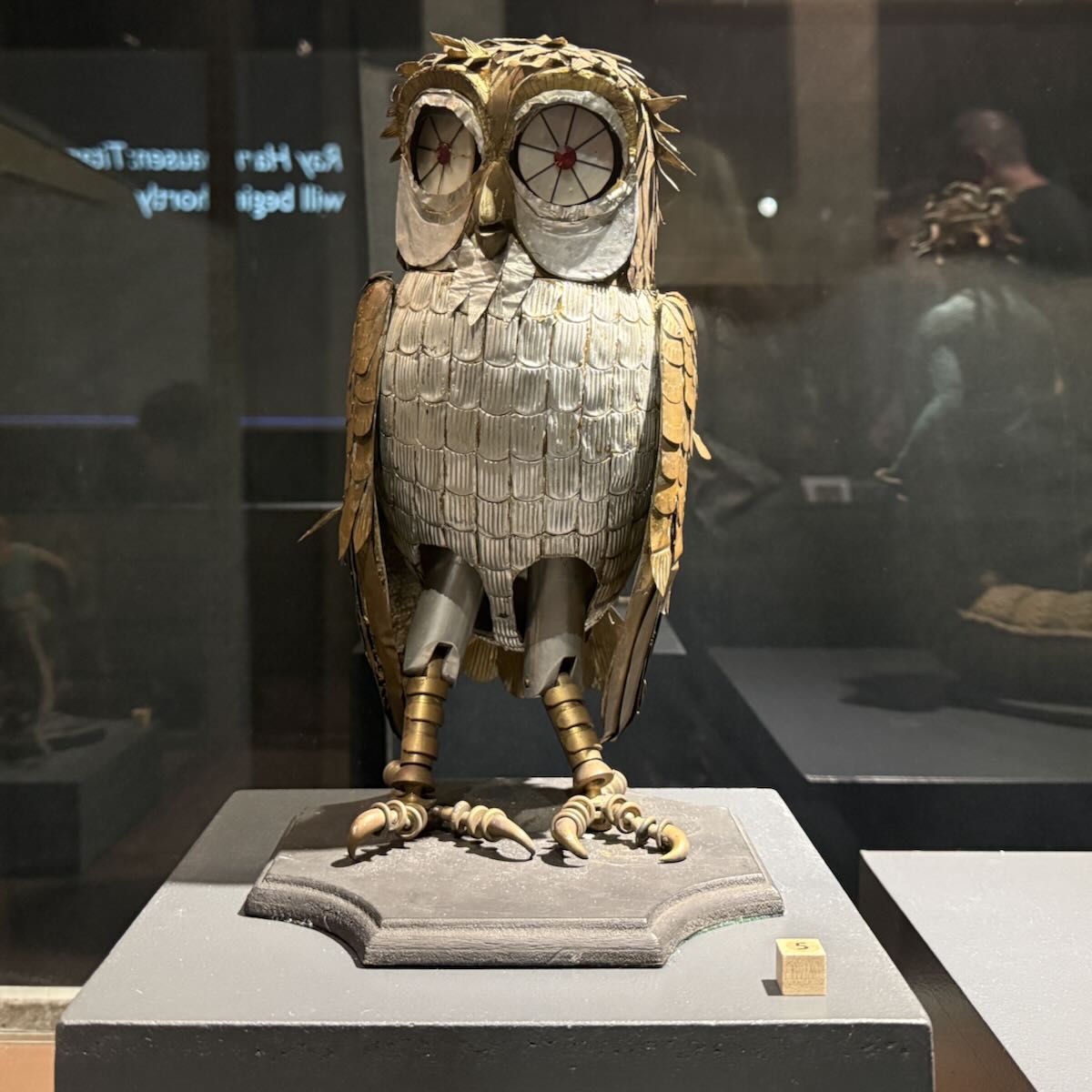
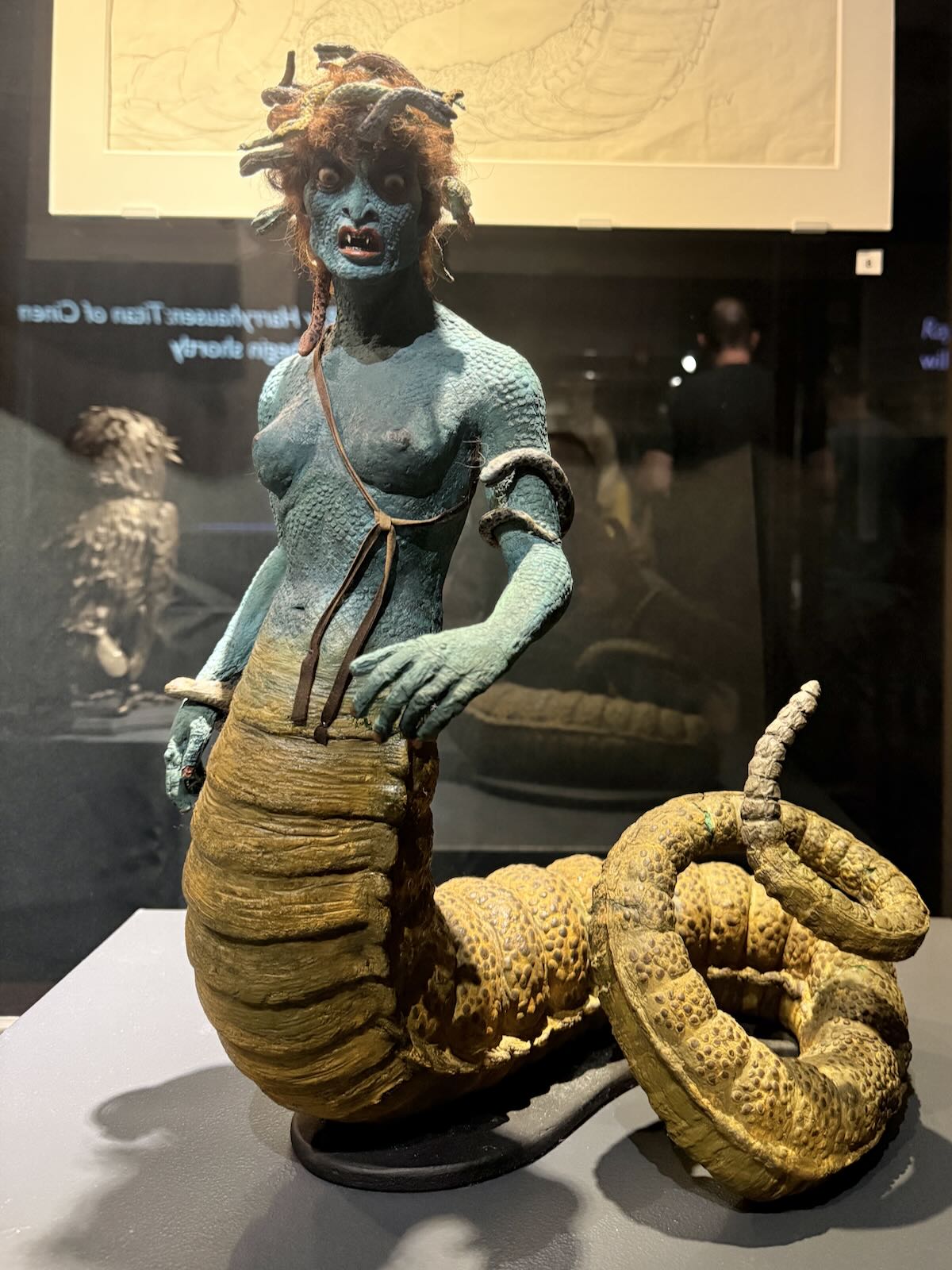
 There was a temporary exhibit of work by Ray Harryhausen, famous for the models he created for films like Jason and the Argonauts and One Million Years B.C. Below: Bubo the Owl and Medusa from Clash of the Titans (1981), which I remember vividly and fondly, although not entirely for the animation.
 I hesitate to make any generalizations about Tucson, for we weren’t there very long, but I will say that it wasn’t all that dirty (or maybe my standards are just different). Fascinating buildings and signage are all over.
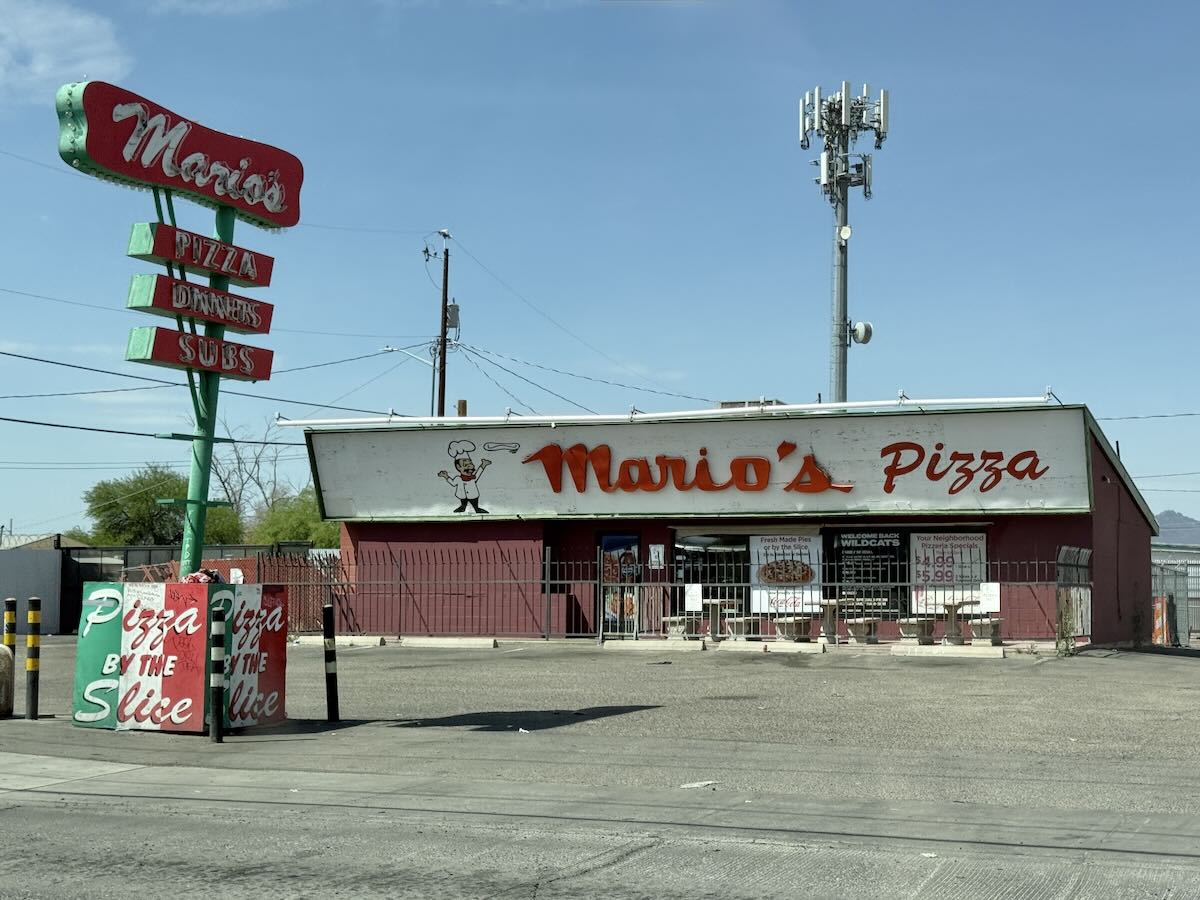
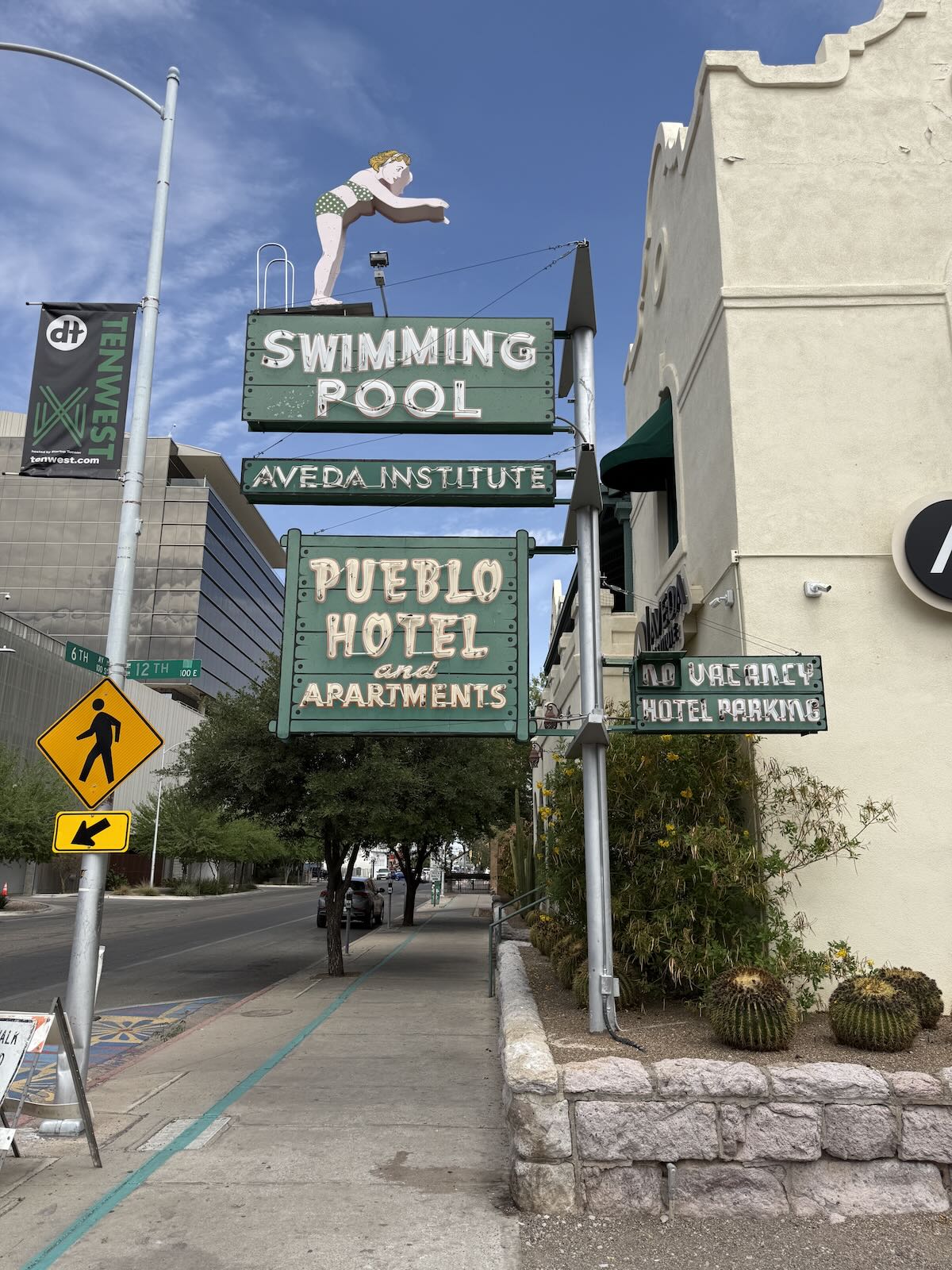
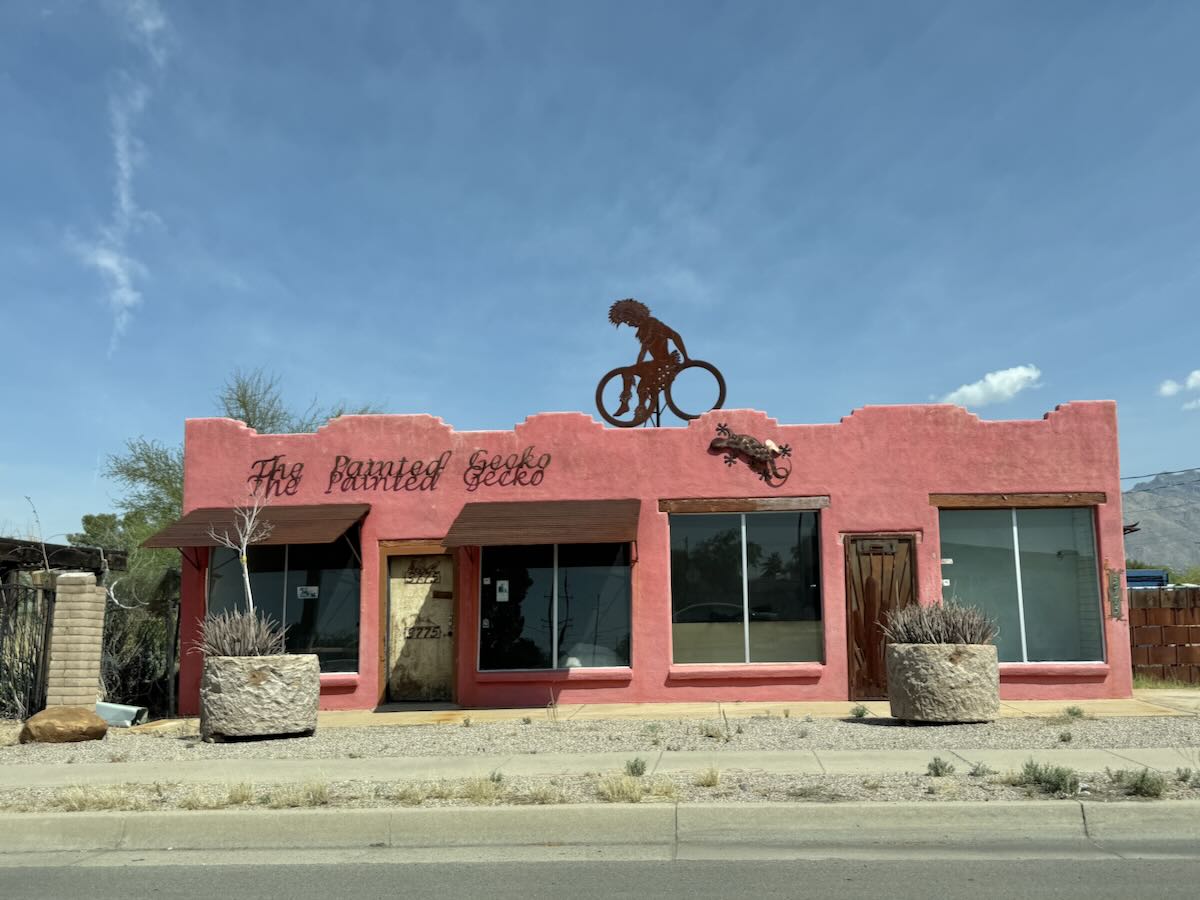
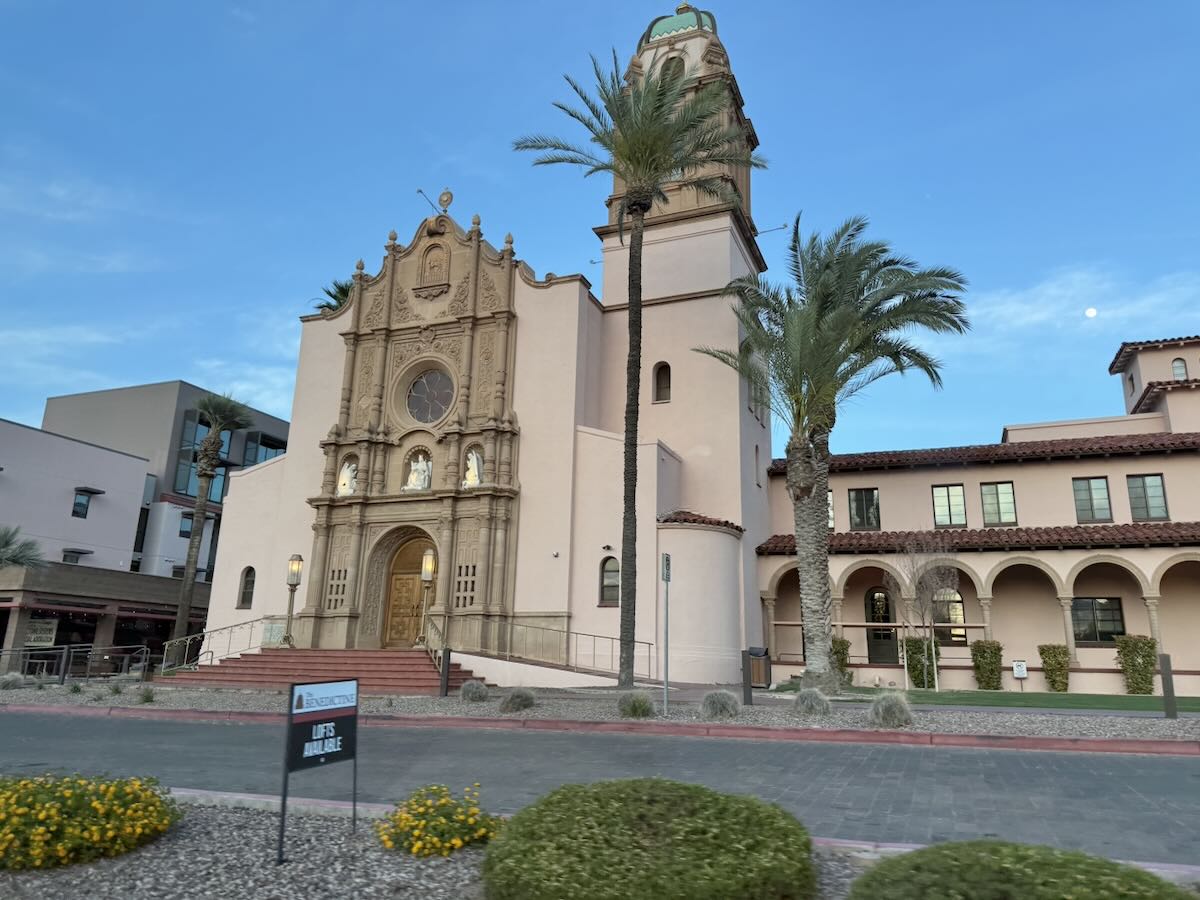
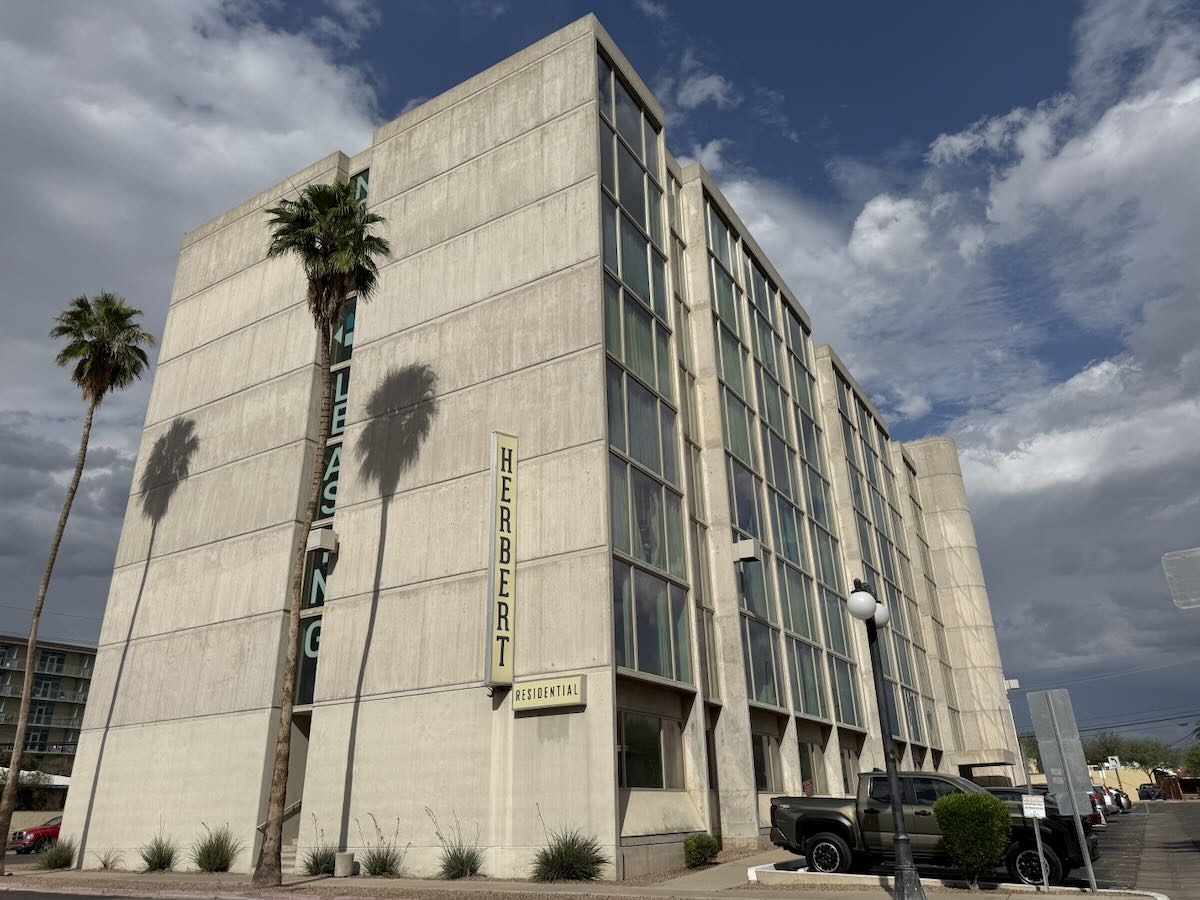 The former Benedictine Monastery, now flanked by apartments, is being converted into a concert venue.
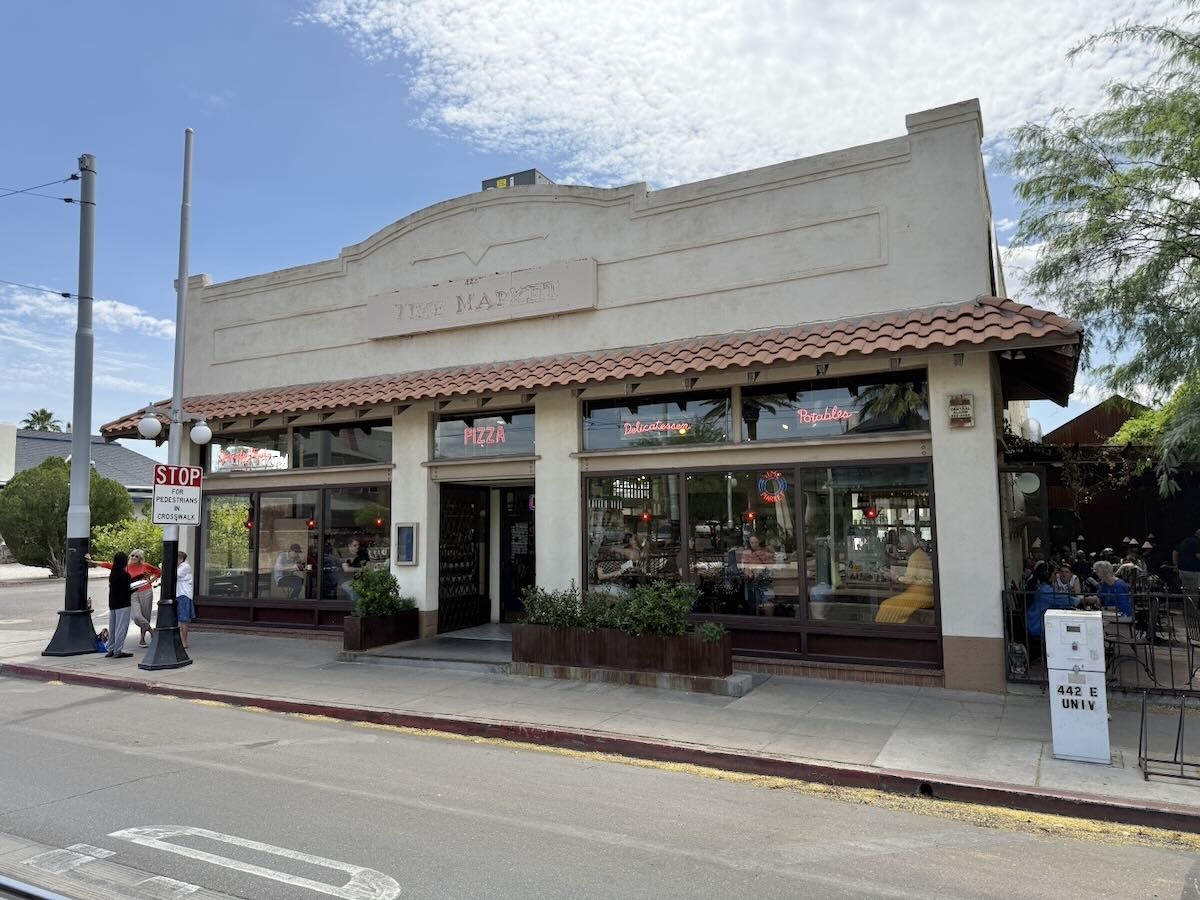
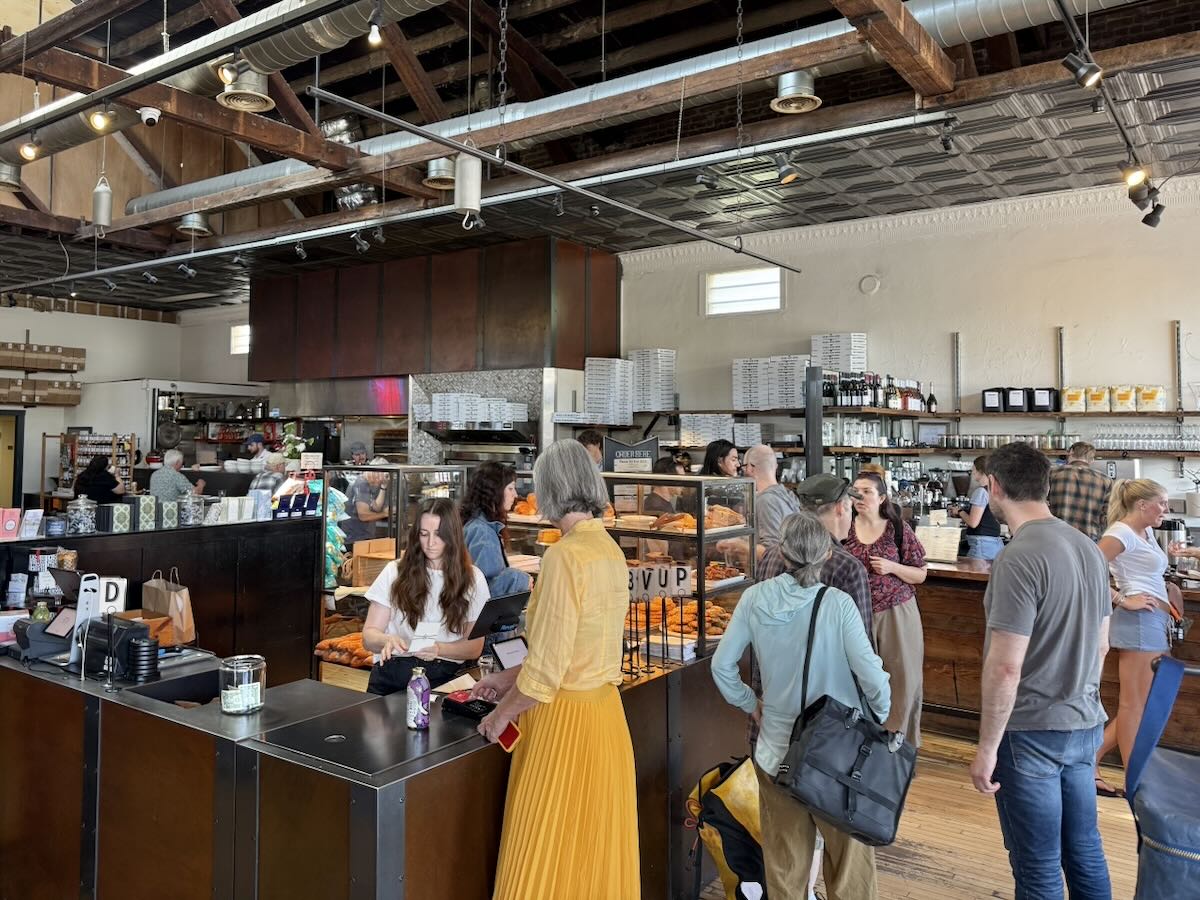
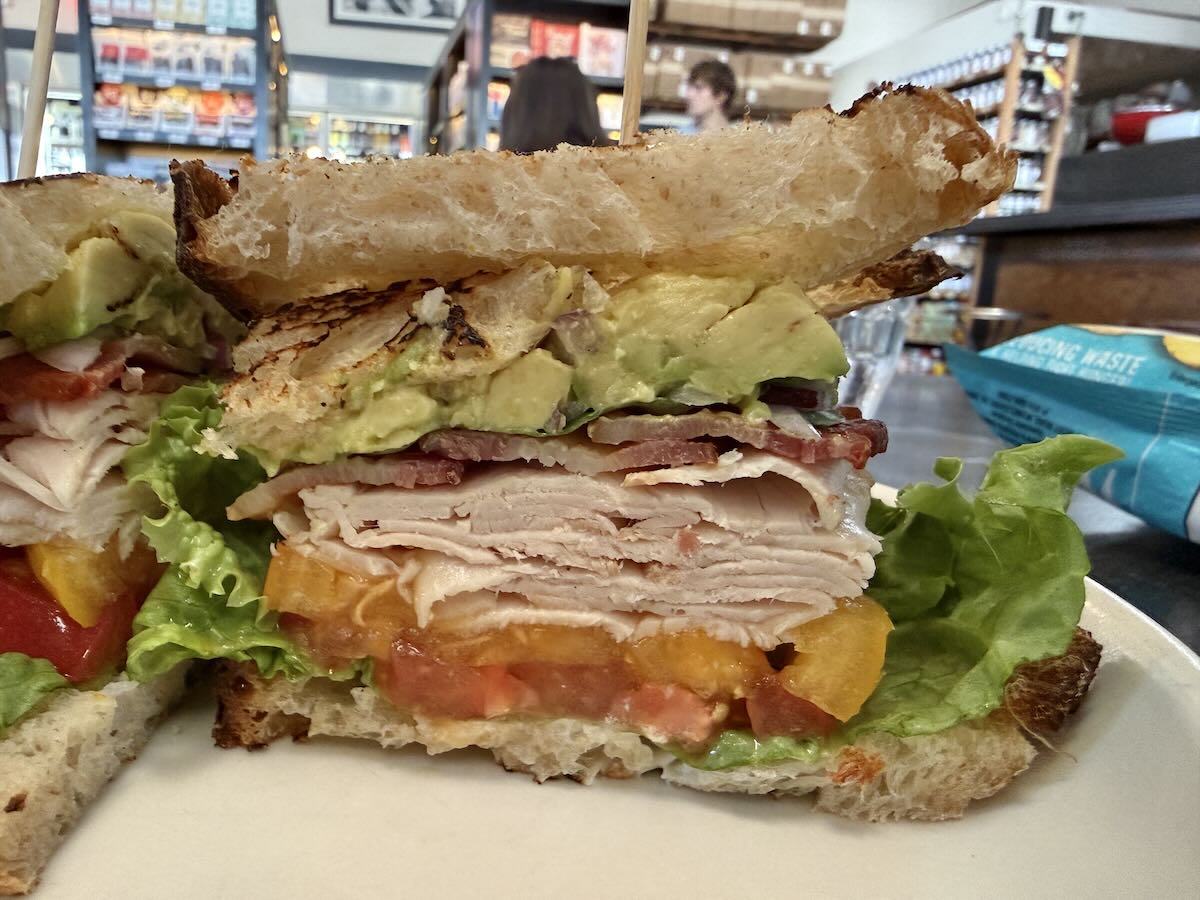
 The Armory Park Inn steered us to Time Market (not Thai Market, as I first heard it), the gourmet market of our dreams, with a cheese counter, bakery, amazing wine selection, and so much more. Everywhere we turned, we saw something we wanted. (“I could live in Tucson!” announced Adam.) It’s half store, half all-day restaurant; the turkey BLAT had good bread and good tomatoes, and I’m still thinking about the chocolate sablé and Mexican wedding cookie we had for dessert.
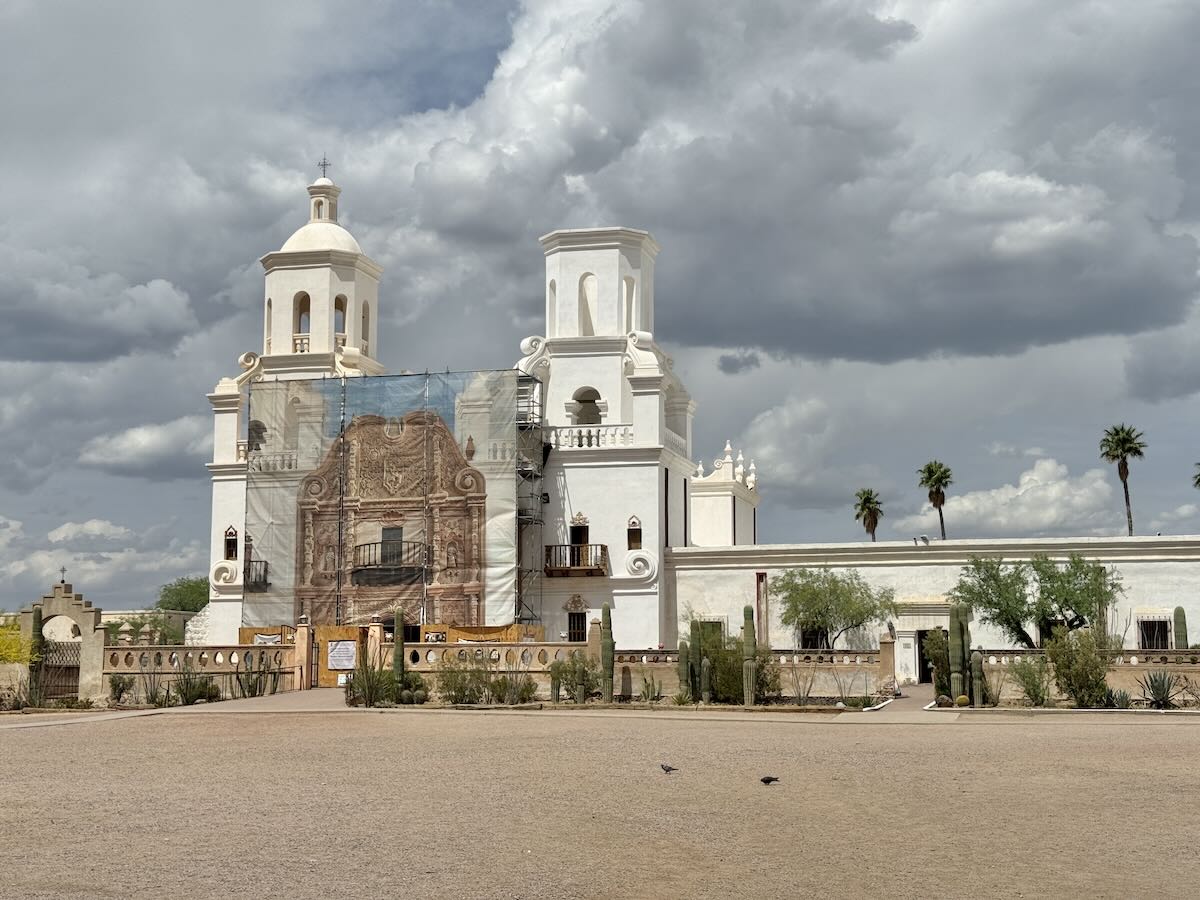
 We felt obligated go look at the San Xavier del Bac Mission, south of the city, because it’s on everyone’s list of Tucson attractions. I liked spotting it from a distance, the white towers surreally popping up above the desert vegetation, but the facade was under construction and I didn’t go inside. One mission a decade is enough.
 Far more interesting were the road signs on I-19. I thought I was hallucinating when I saw that distances are in kilometers.
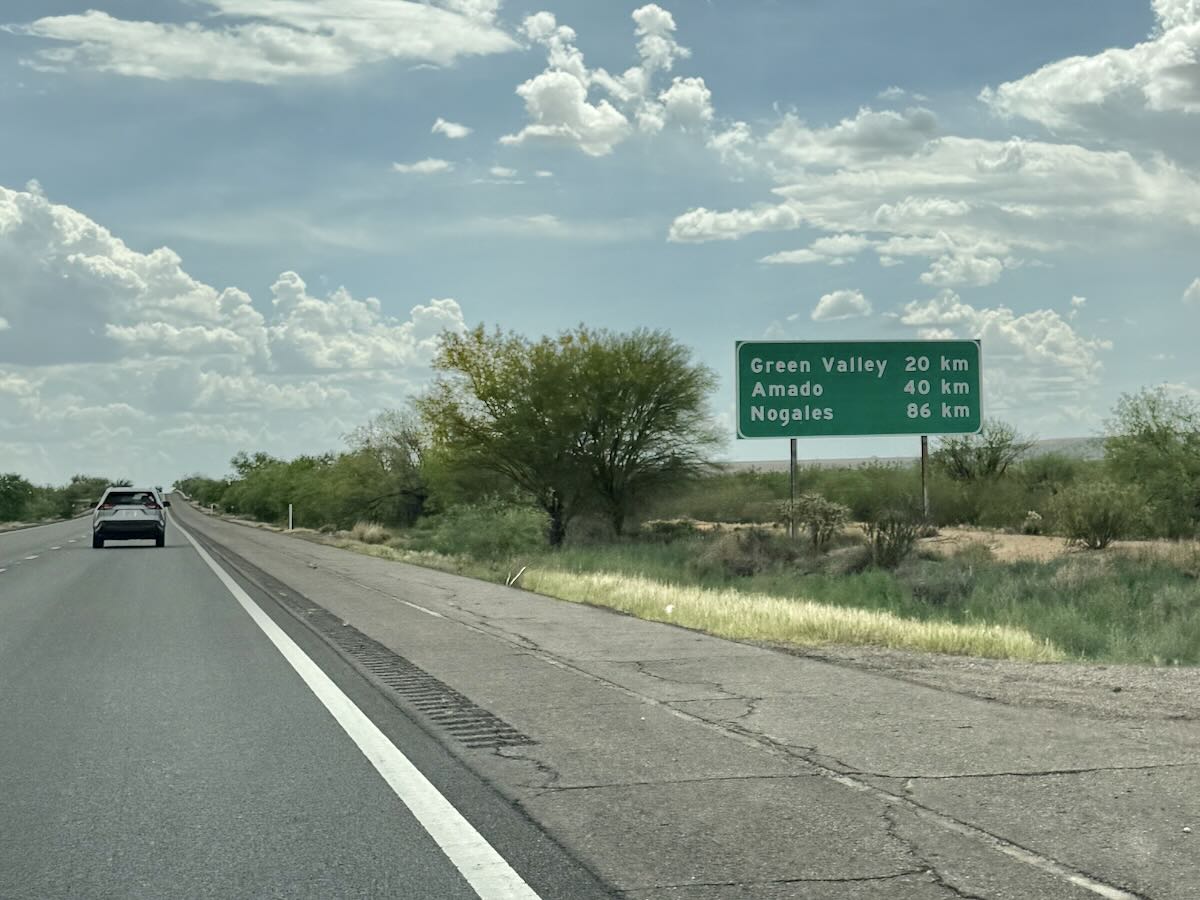 The Arizona Department of Transportation explains….
First opened for travel in 1962 (and fully completed in 1978), Interstate 19 is the only highway in the United States to be fully marked by kilometers. […] In 1975, Congress passed the Metric Conversion Act, declaring the metric system as the preferred method of measurement in the United States. […] One of the very first decisions of the Metric Board was to use the nearly completed Interstate 19 as a pilot program for converting all of America’s mileposts into kilometer markers. Crews got to work metricizing the interstate ahead of its 1978 completion. […] As it happened, the Metric Board was dismantled by Ronald Reagan in 1982, just seven years after it was established. […] And yet, still, 38 years later, Interstate 19 continues to be marked with kilometers for its entire 63 mile—er, 102 kilometer—stretch from the southern border to Tucson. Why is that? Thank the locals! Yes, the folks who live, work, and travel along I-19 have a special reverence for the interstate’s unique markings and have fought to preserve them since the very first whiff of conversion.
America in a nutshell.
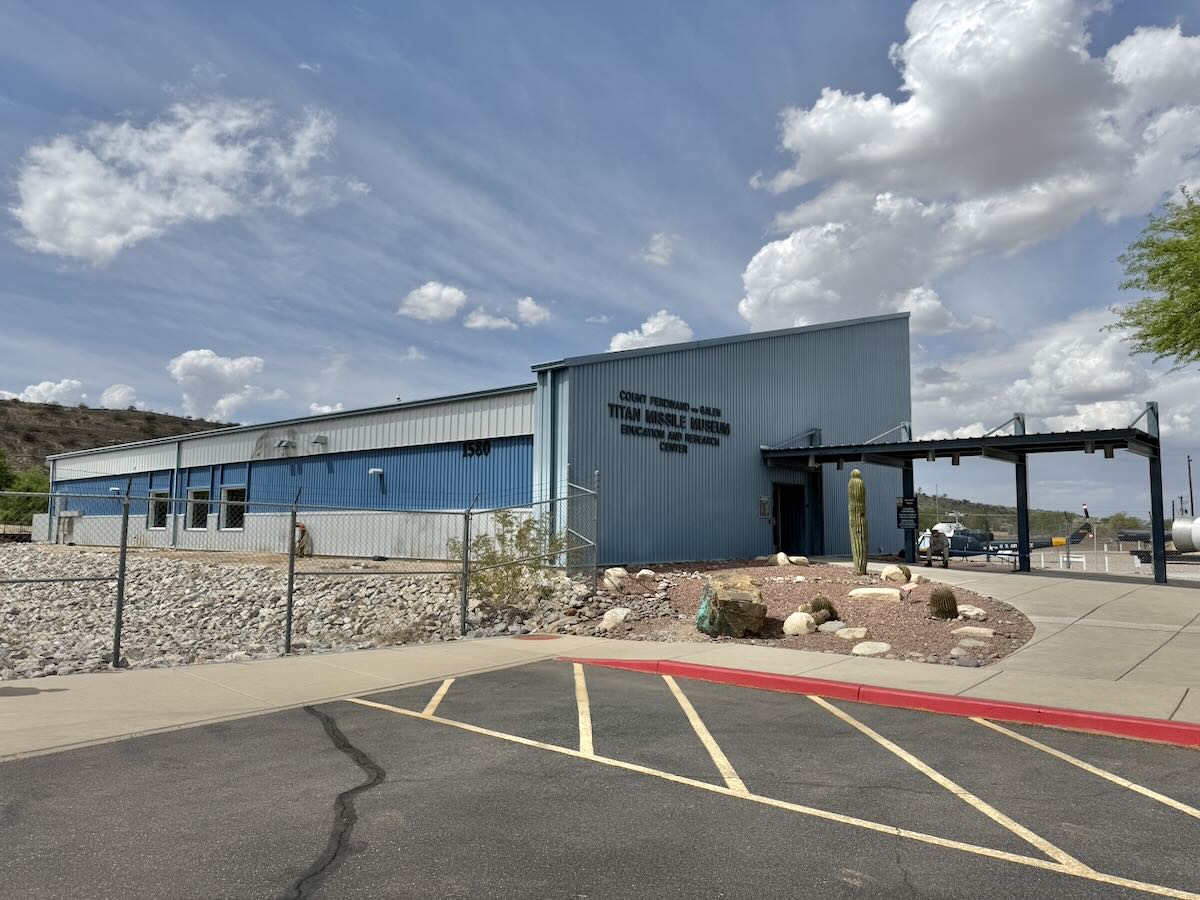
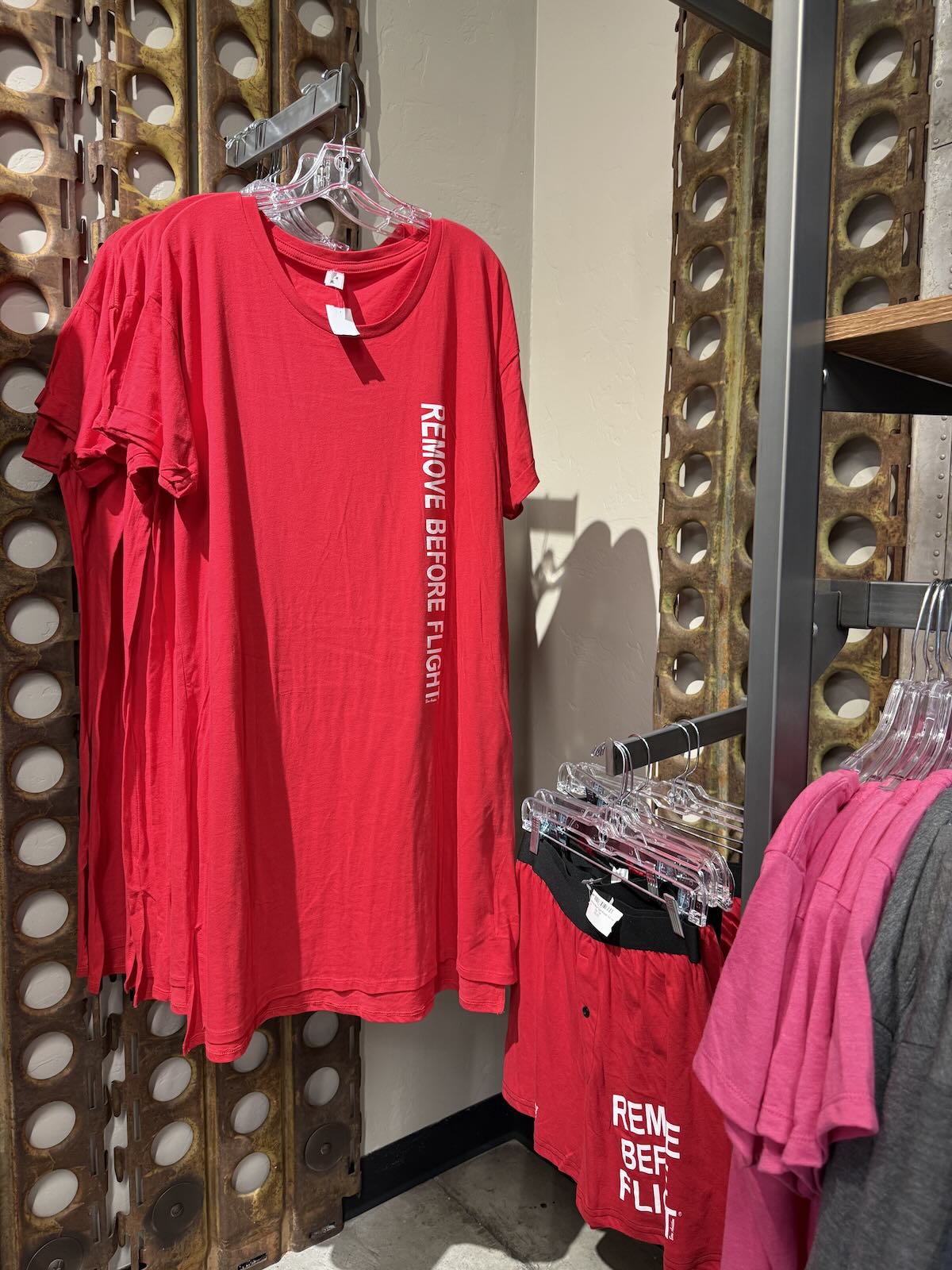
We were headed south to visit the Titan Missile Museum, for a look at “the last of the 54 Titan II missile sites that were on alert across the United States from 1963 to 1987.” As instructed, we arrived 15 minutes early for our guided tour, which meant time to peruse the gift shop. I love a little innuendo, but I needed to confirm with Adam that I understood what the “Remove before flight” garments were getting at.
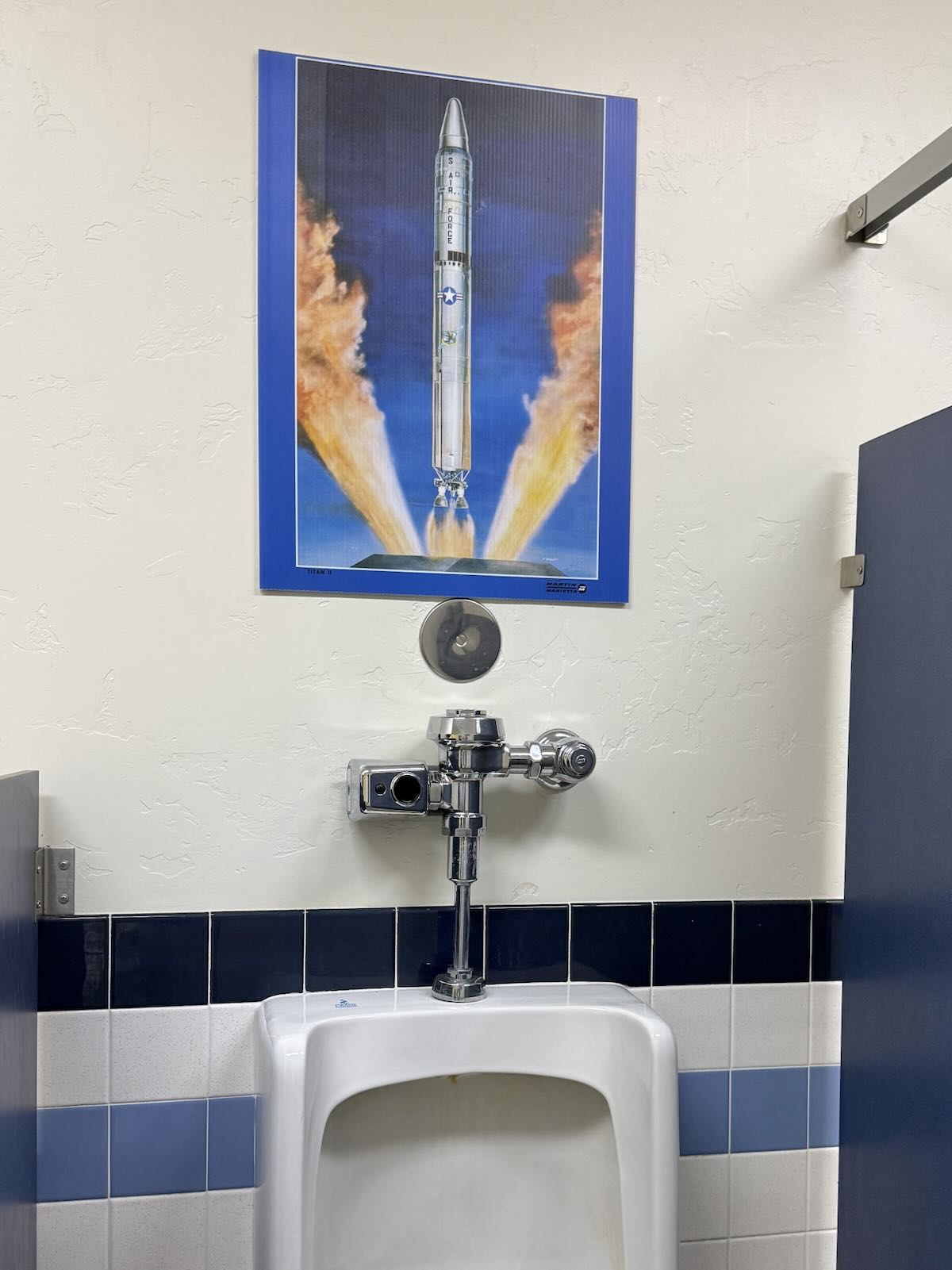
 Somebody had a sense of humor while decorating the men’s room.
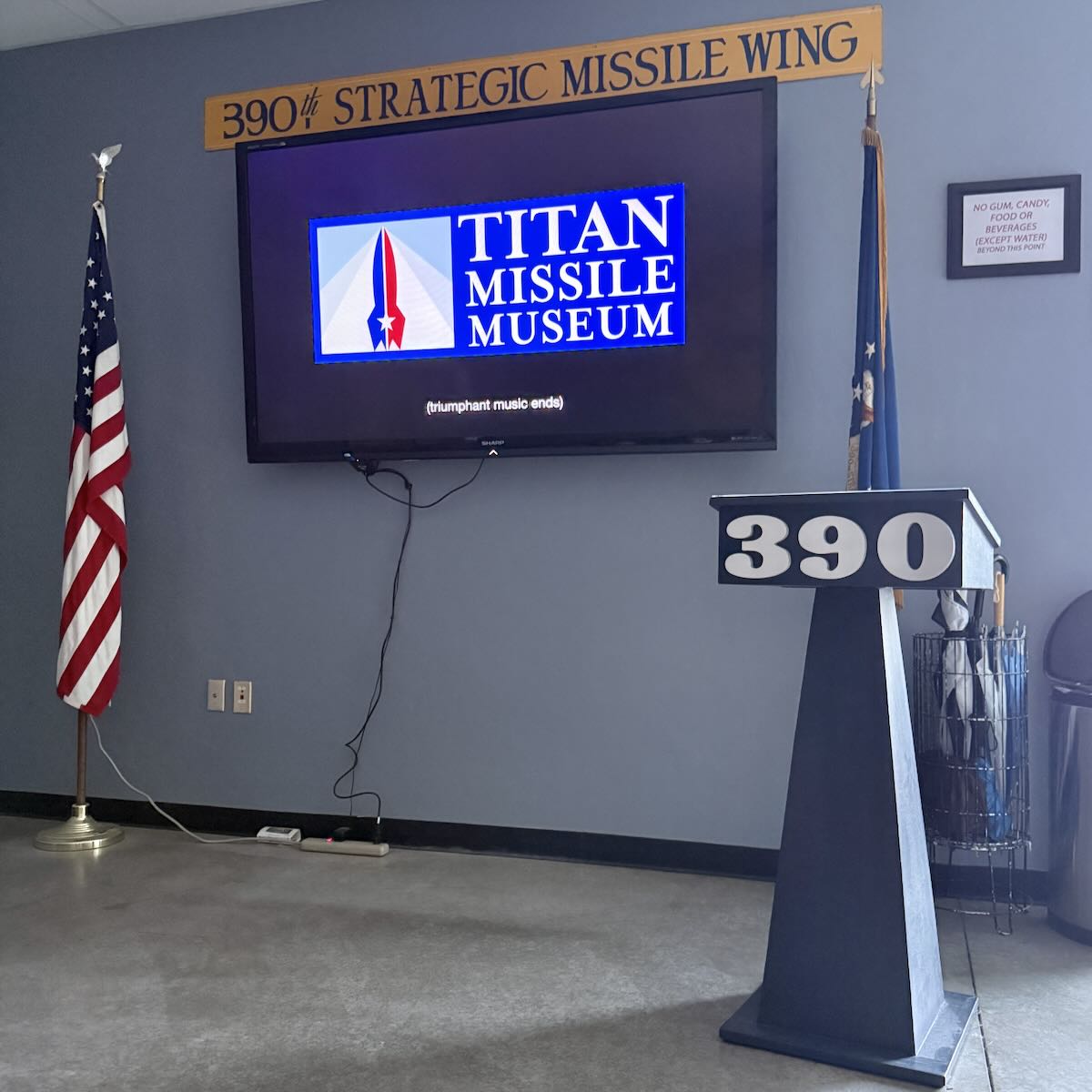
 The tour starts with an educational video about the Cold War in a rather prosaic setting.
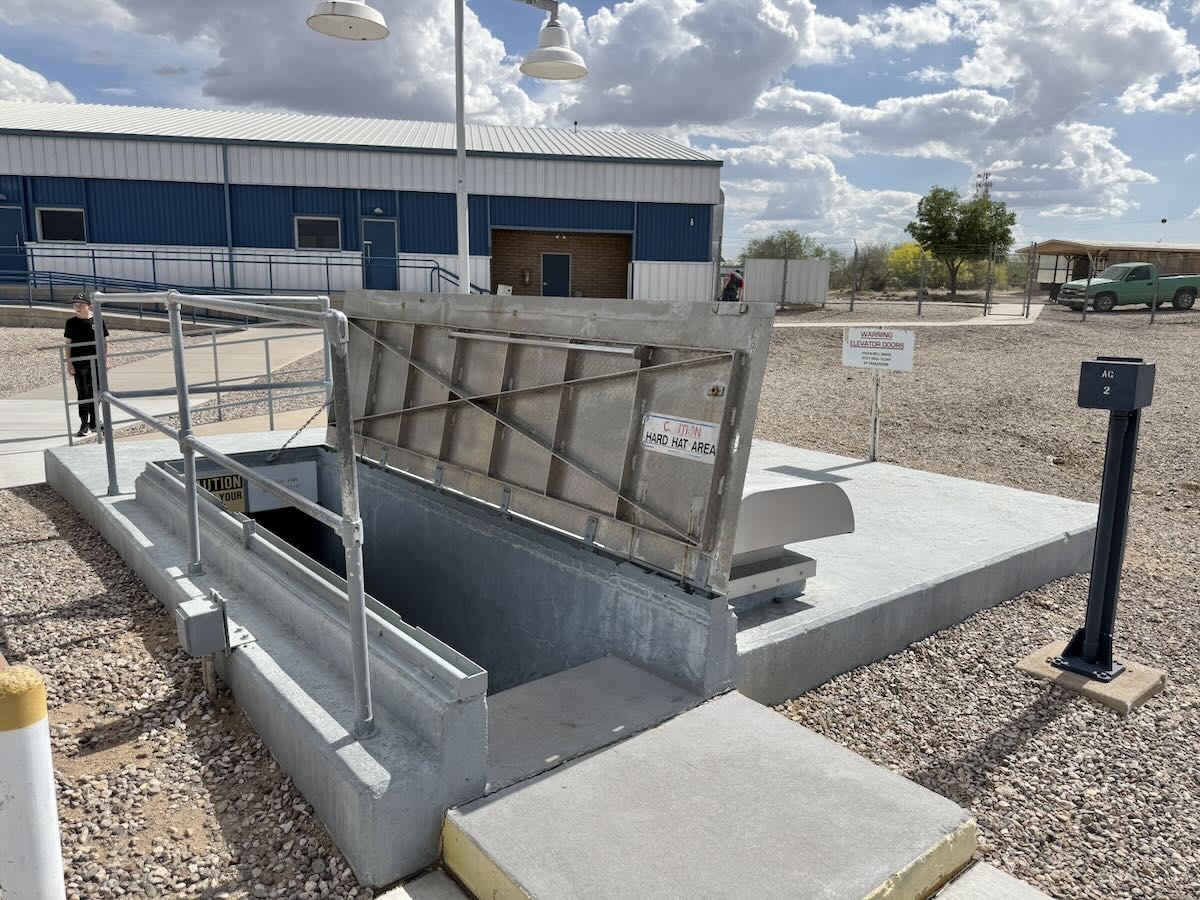
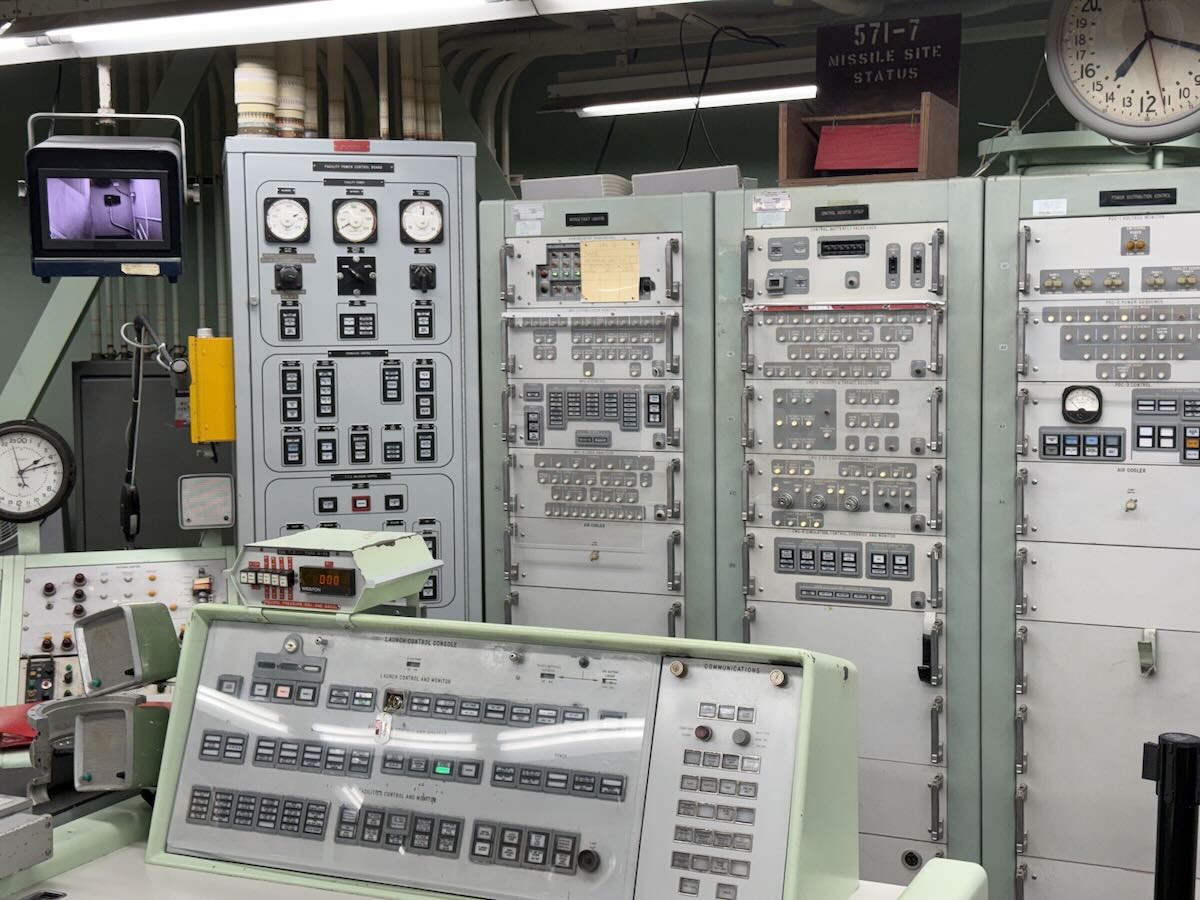
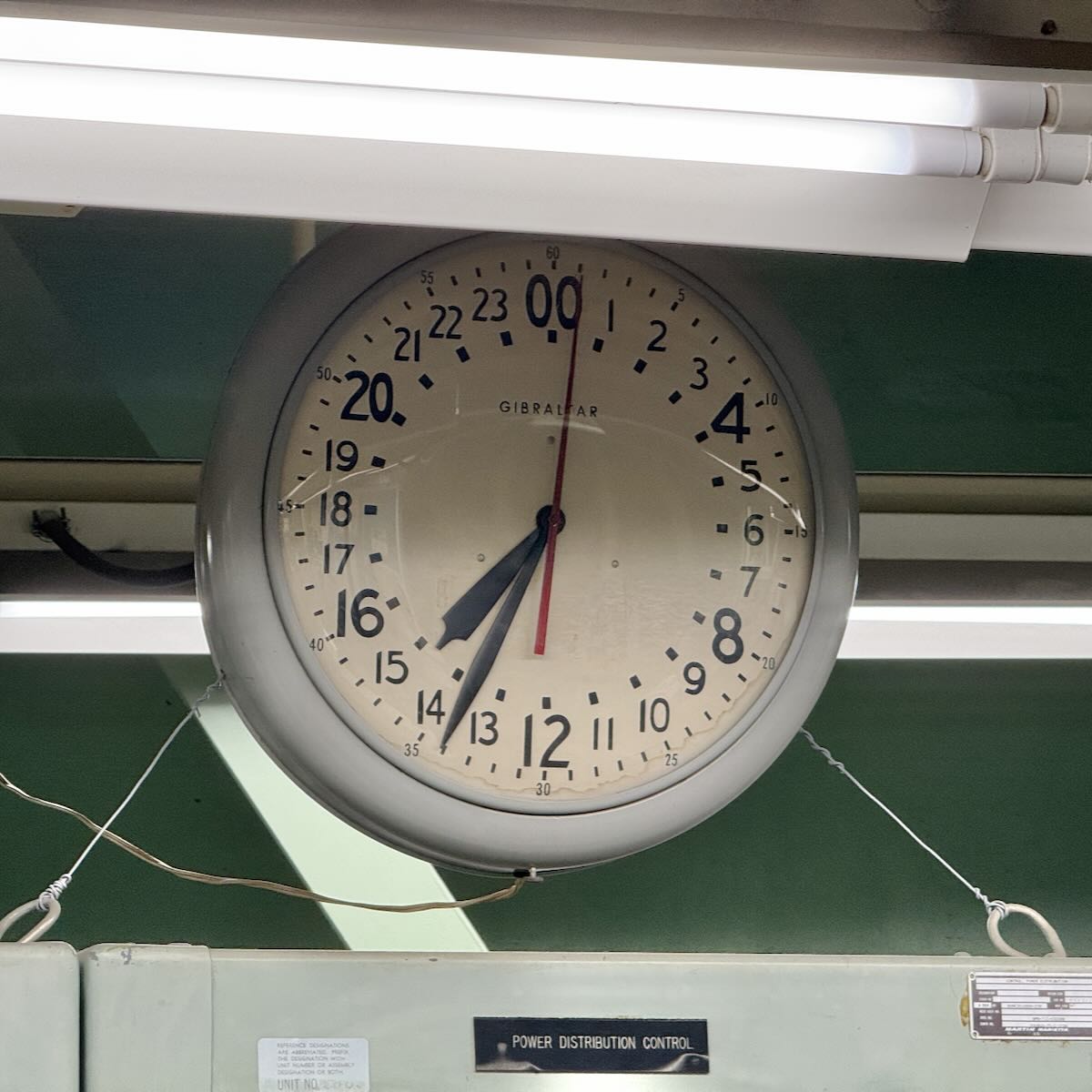
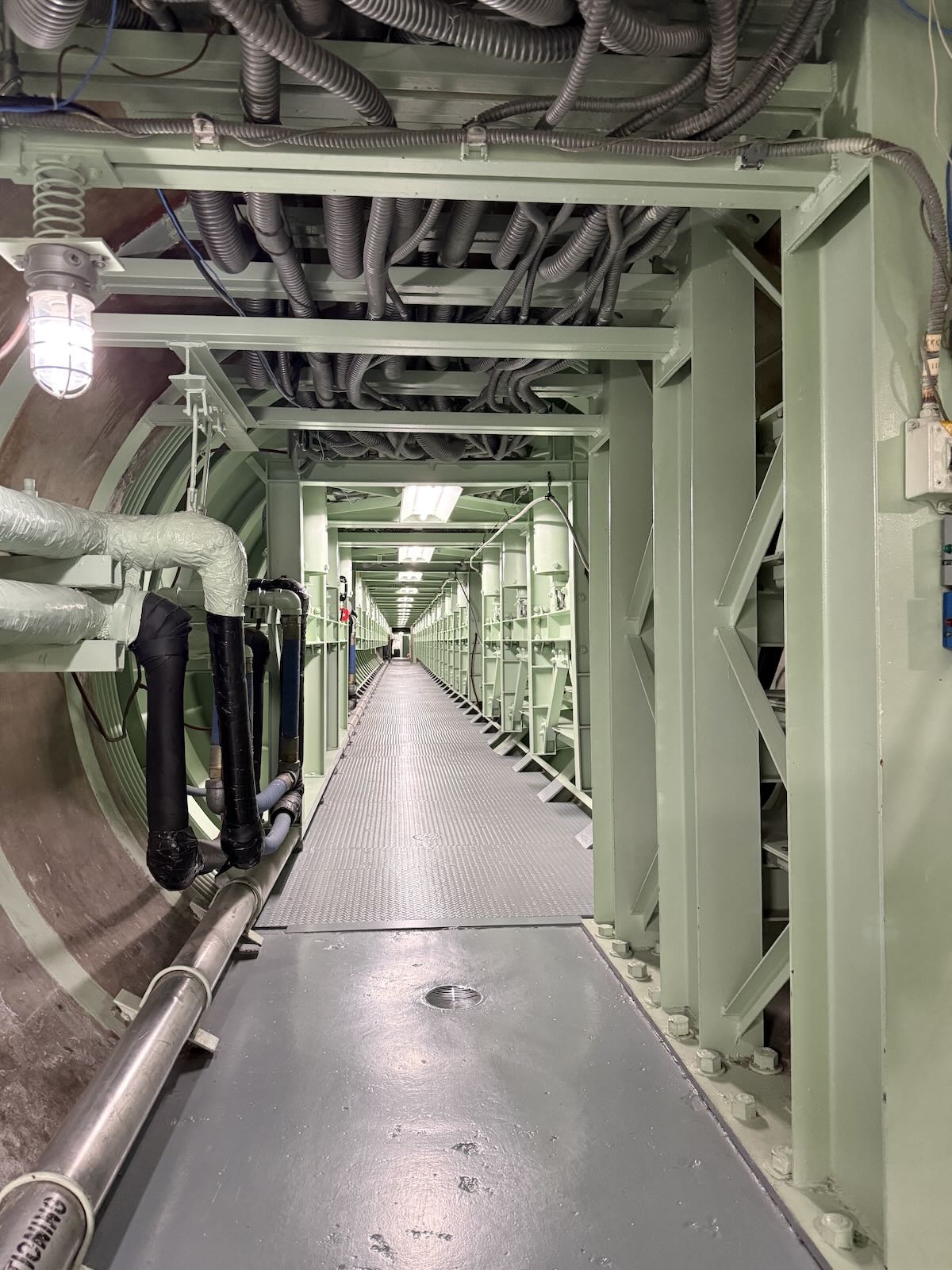
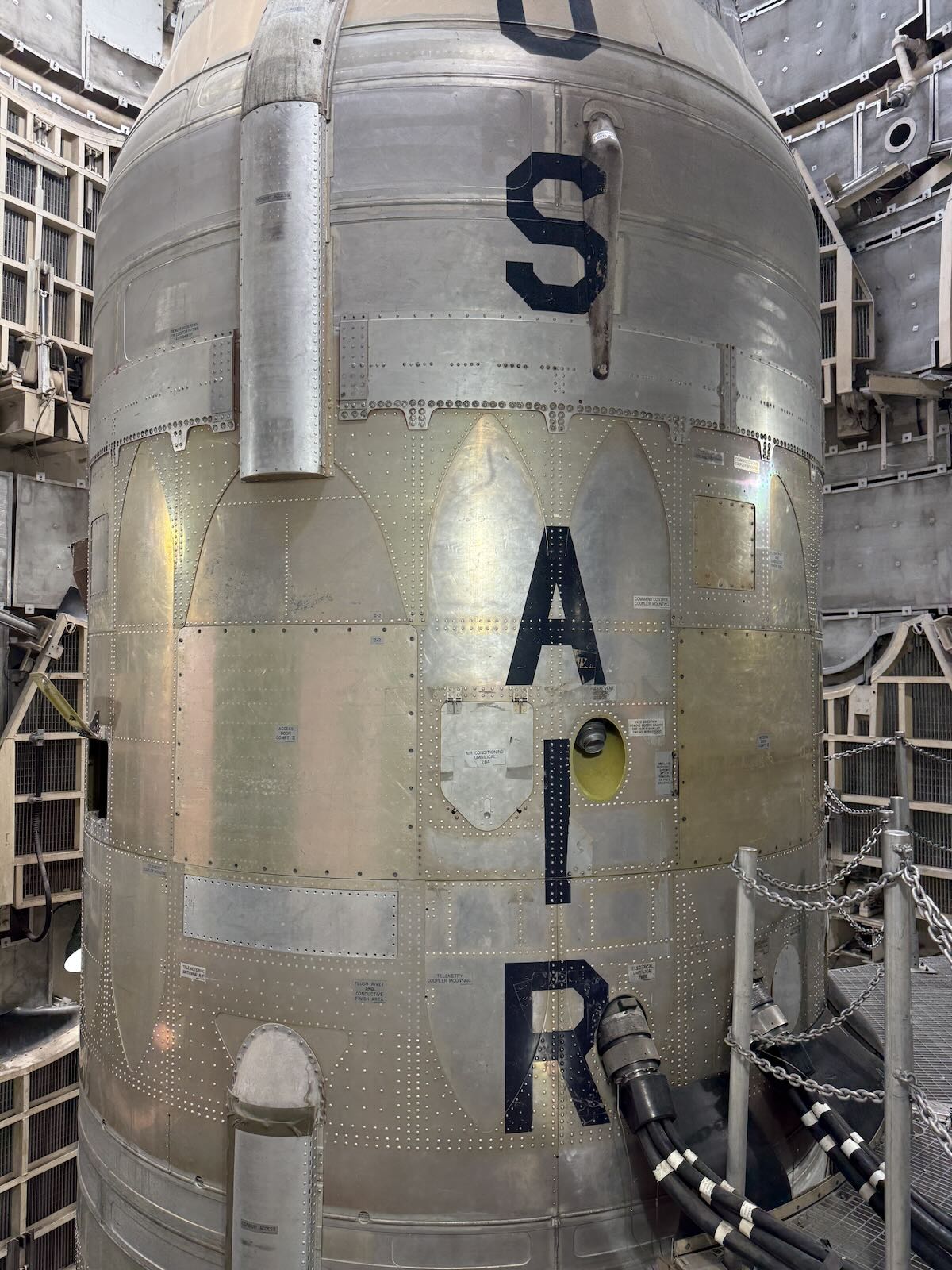
 And then we got to descend into the silo, which was everything I hoped it would be, including antiquated technology and a 24-hour clock, much of it painted a sickly green. We learned quite a bit about the protocol for firing a missile, including how a lot of redundancy was baked in, to avoid a foreign agent causing mass destruction. (The guide kept referring to the Titan missile as a “city killer.”) No one mentioned what would’ve happened if the President were the one to go rogue.
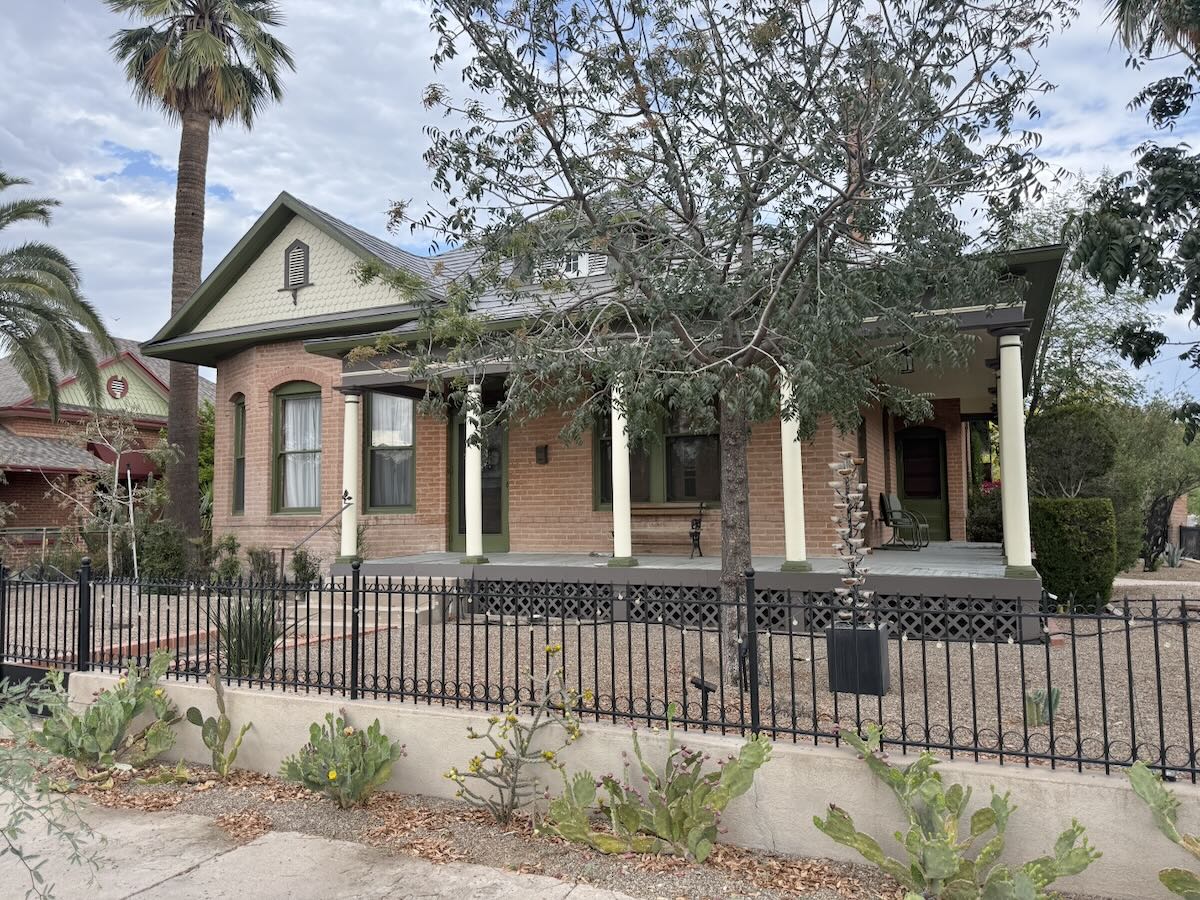
 Time for a little fresh air! Late in the afternoon, despite the unseasonable heat, I walked the Armory Park neighborhood around the inn. There are terrific houses of all kinds.
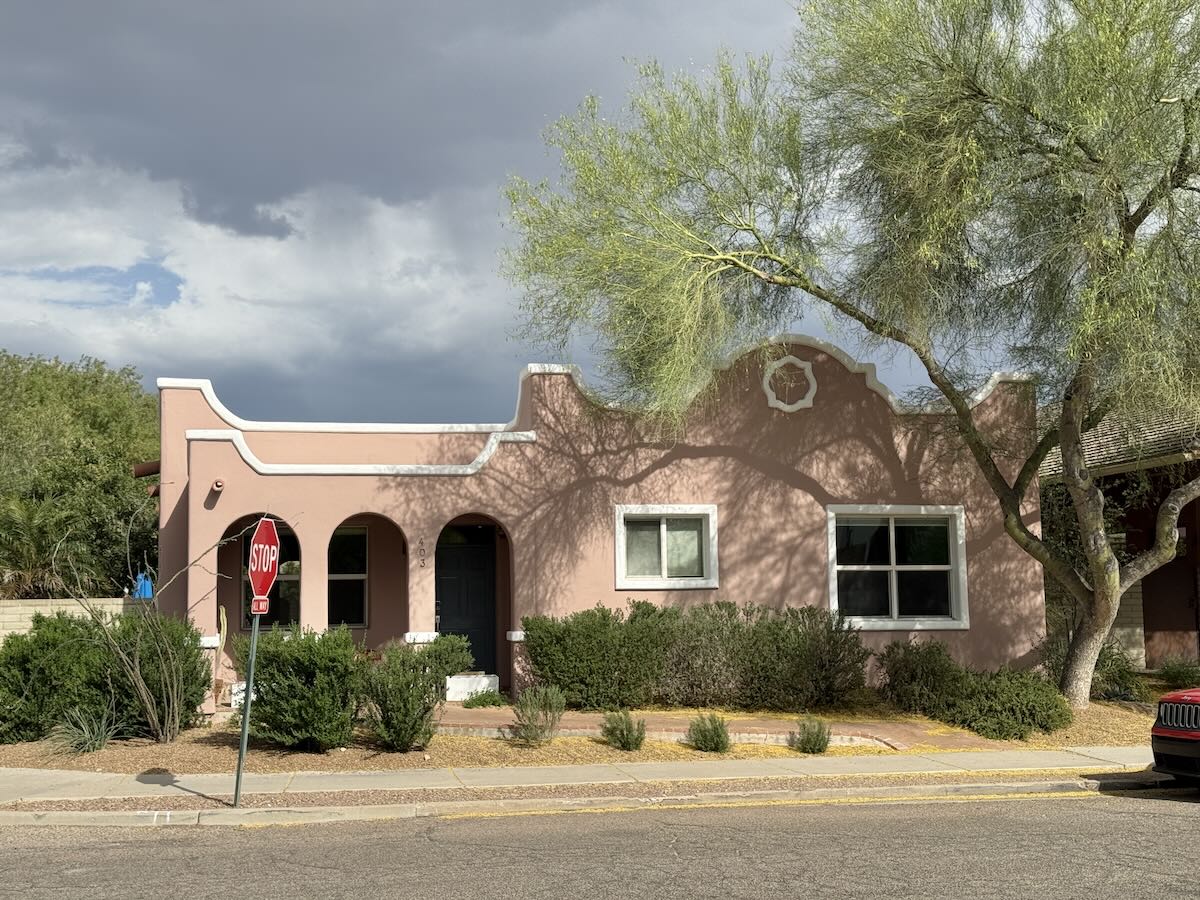
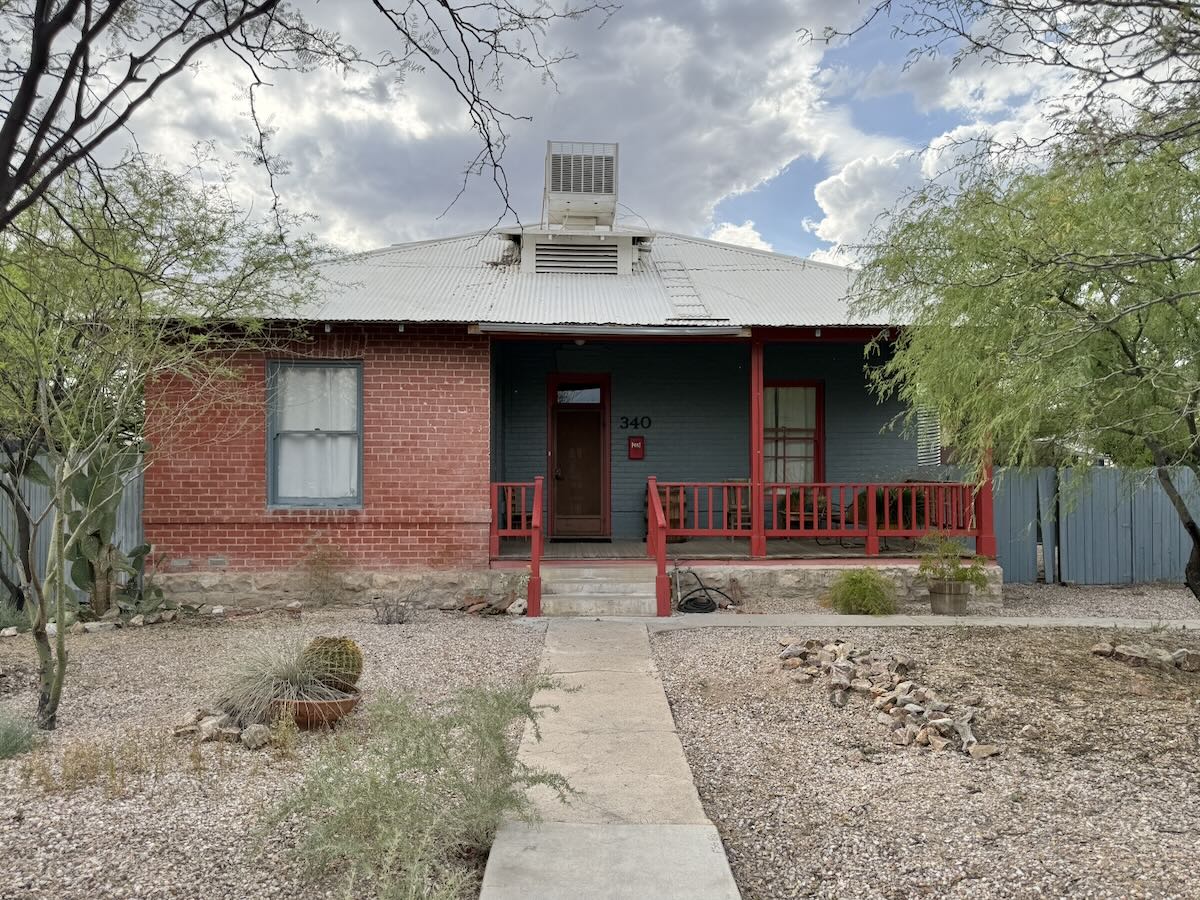
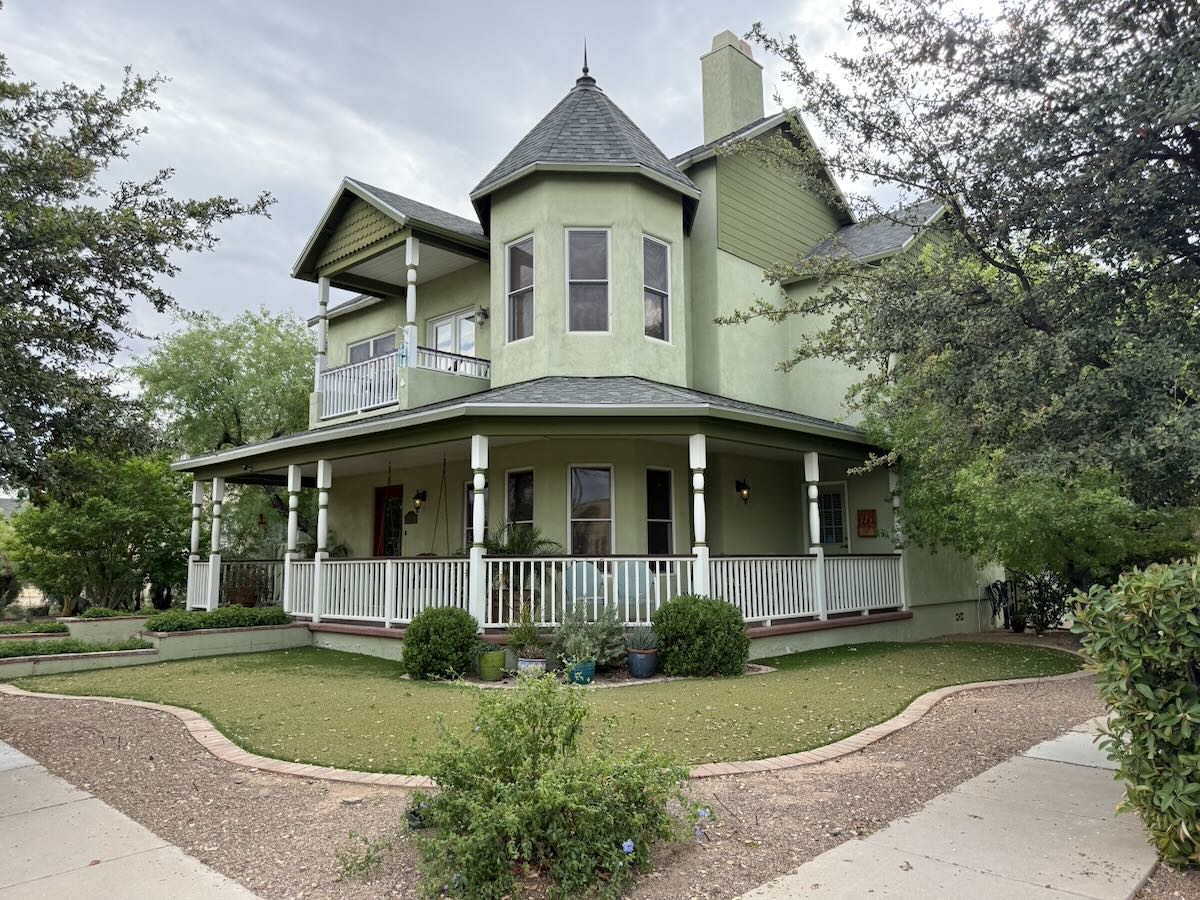
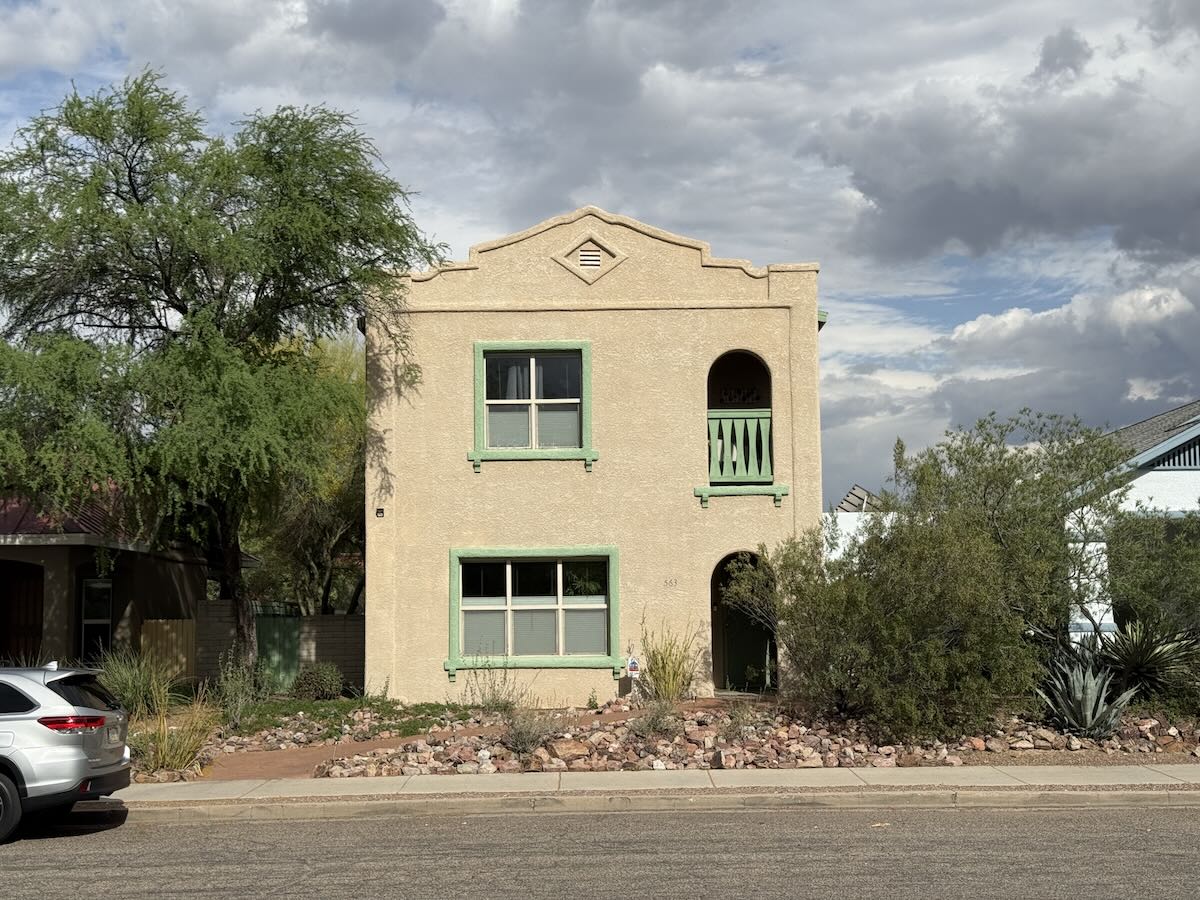
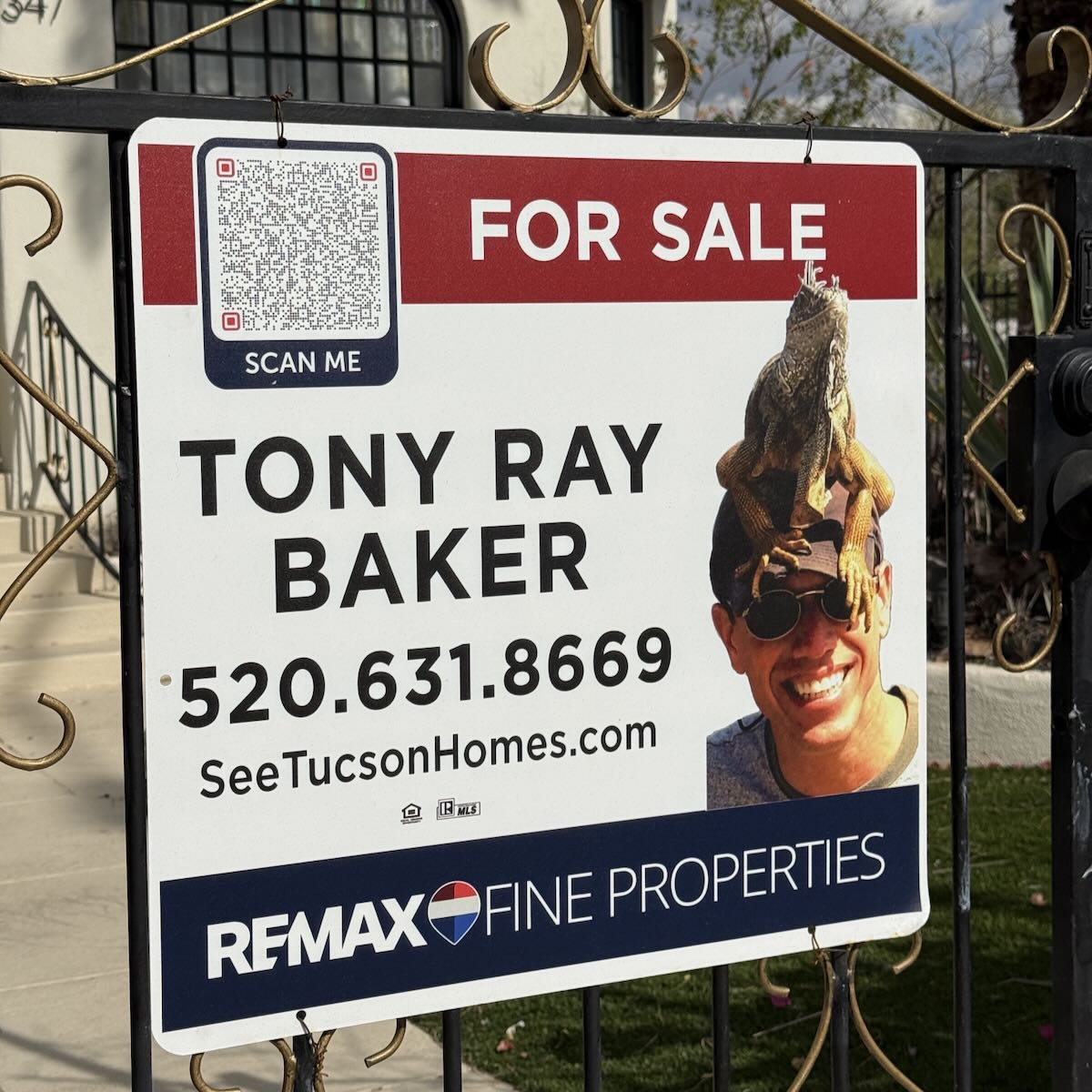
 Here’s where to reach Tony Ray Baker in case you find his missing dignity.
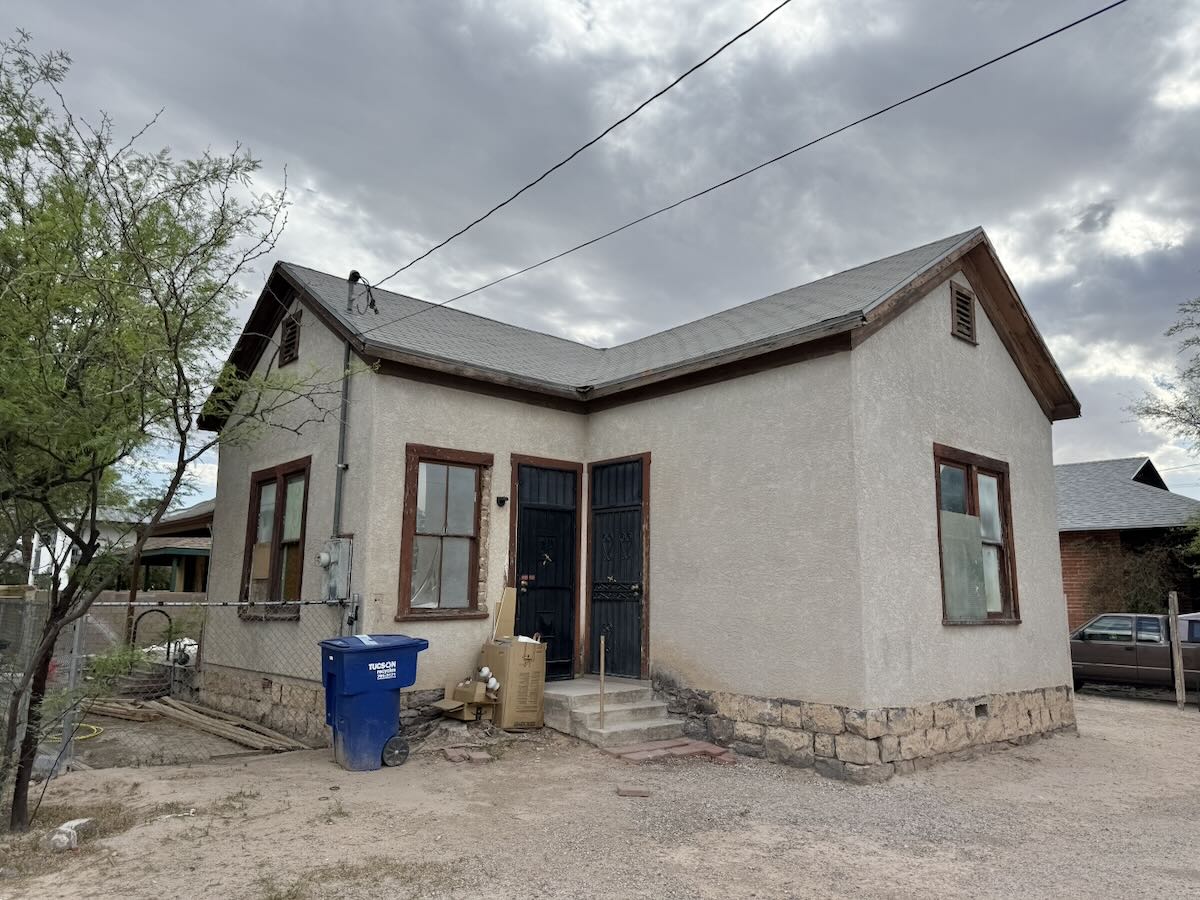
 The real estate wasn’t 100 percent charming. Is this a duplex? Where the residents can only open the front door one at a time?
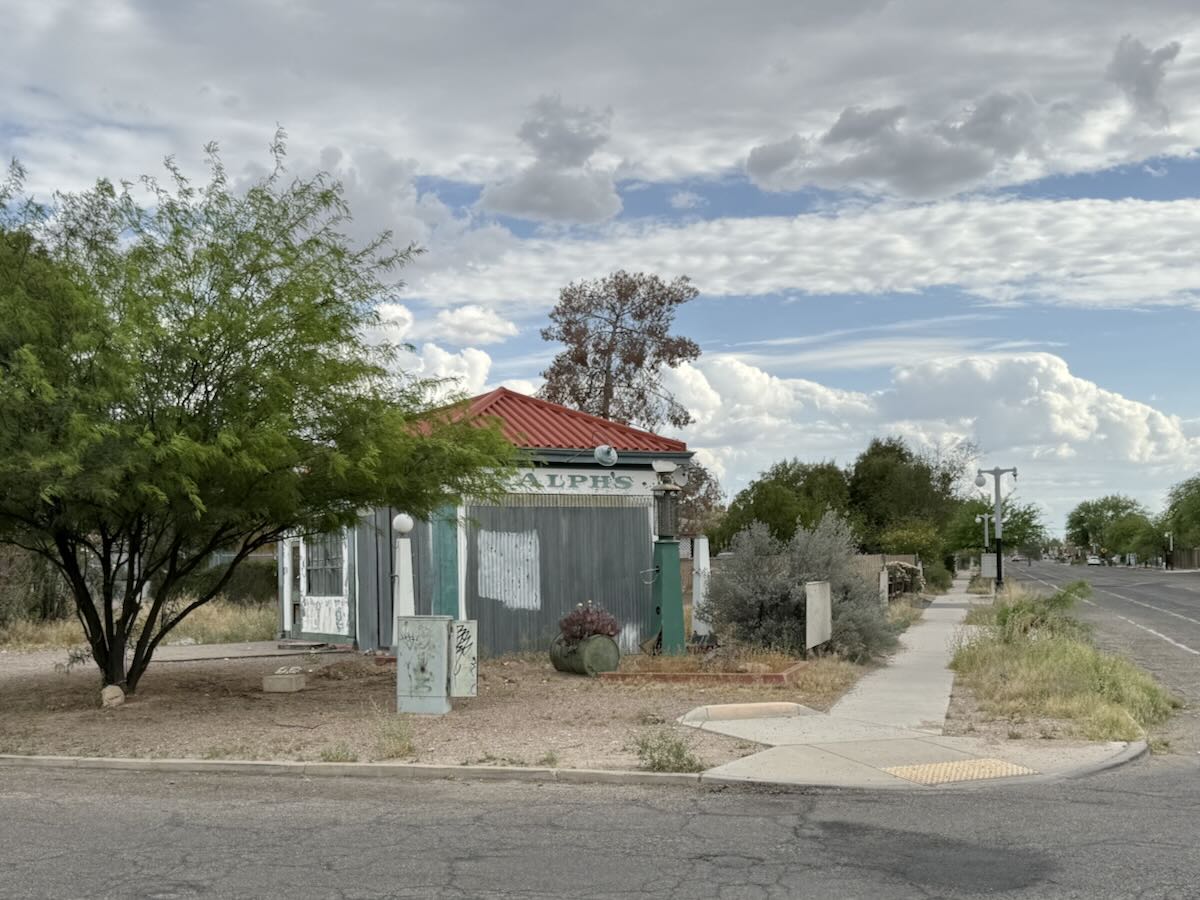
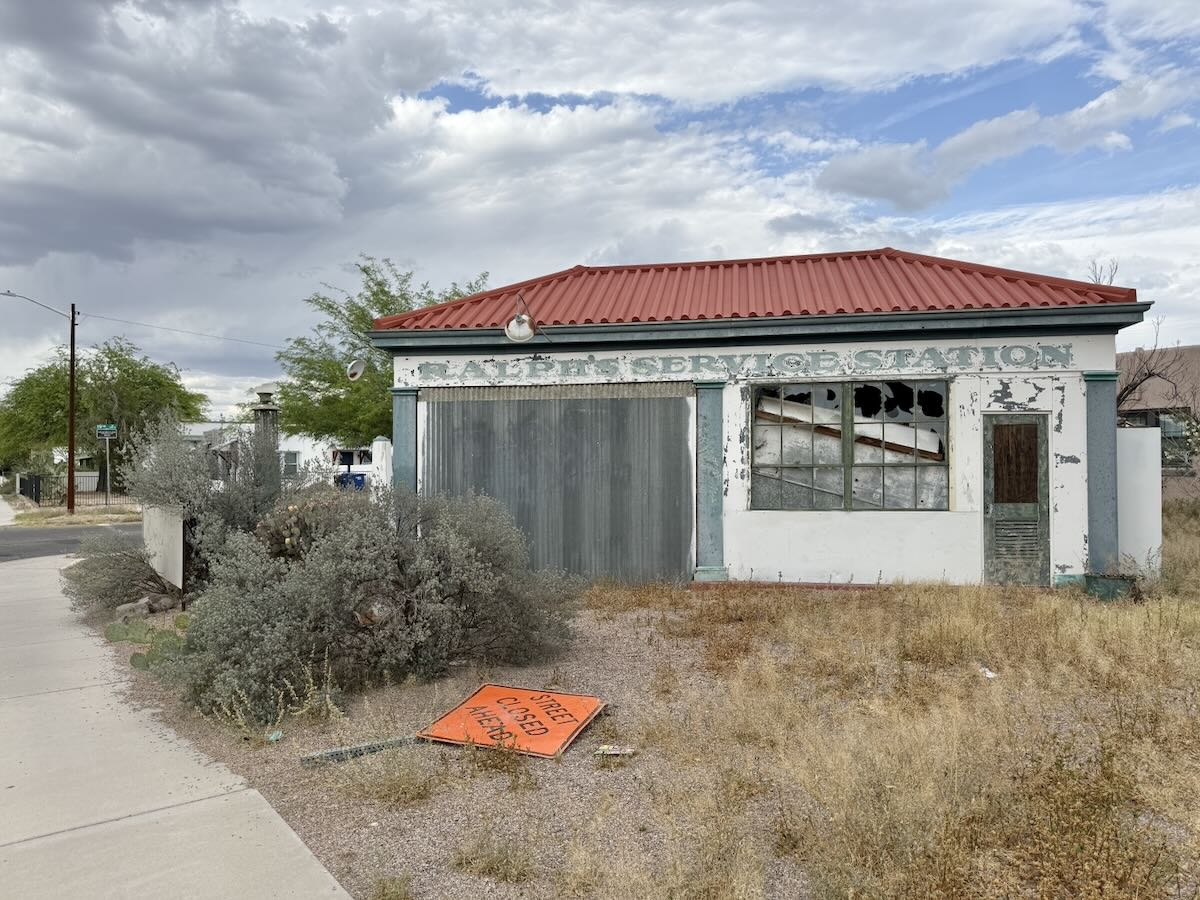
 And then, right in the middle of the residential neighborhood, there’s the decrepit Ralph’s Service Station building, which has come a long way (down) since 2010, when Tucson.com ran a photo of it, along with an explanation that “the station hasn’t serviced a vehicle since the late 1930s” and “the station has had many occupants over the years, including a cabinetmaker.”
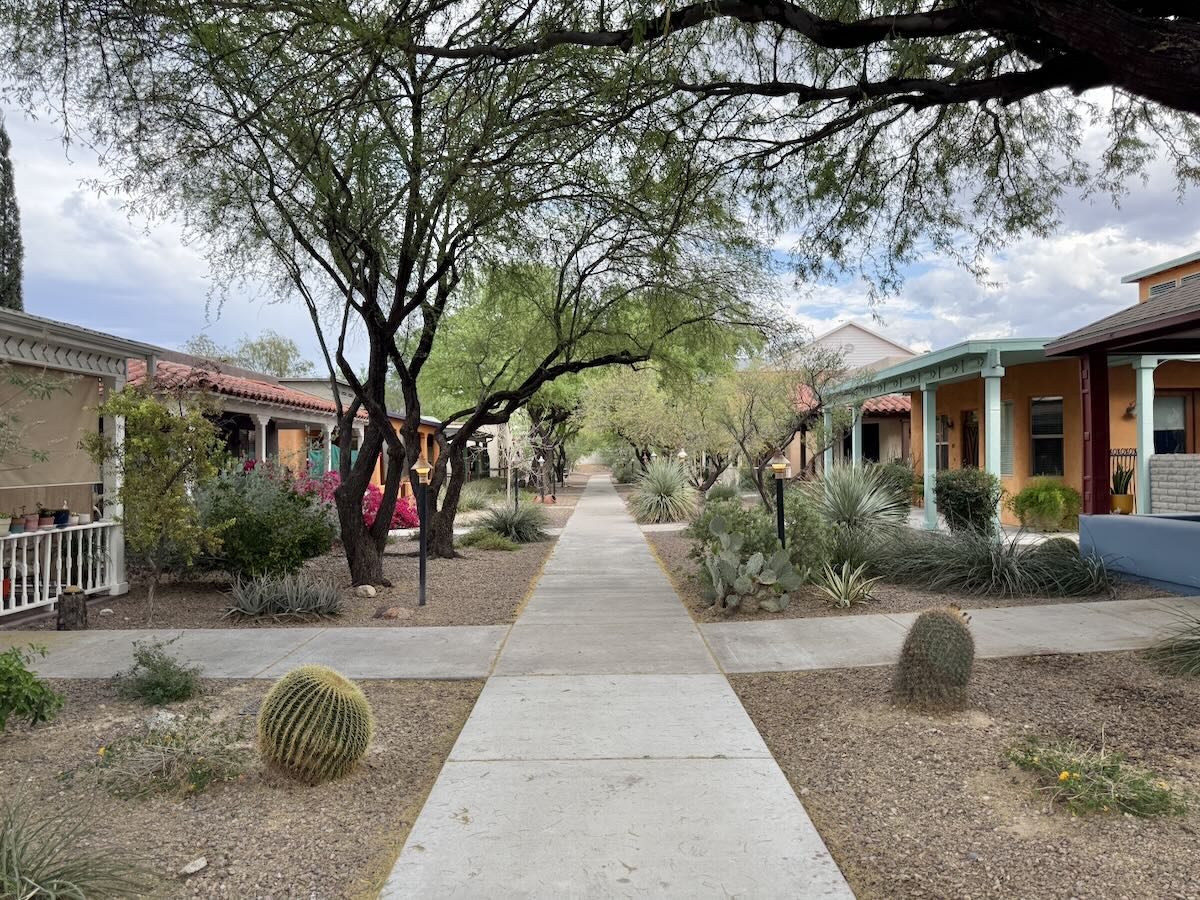
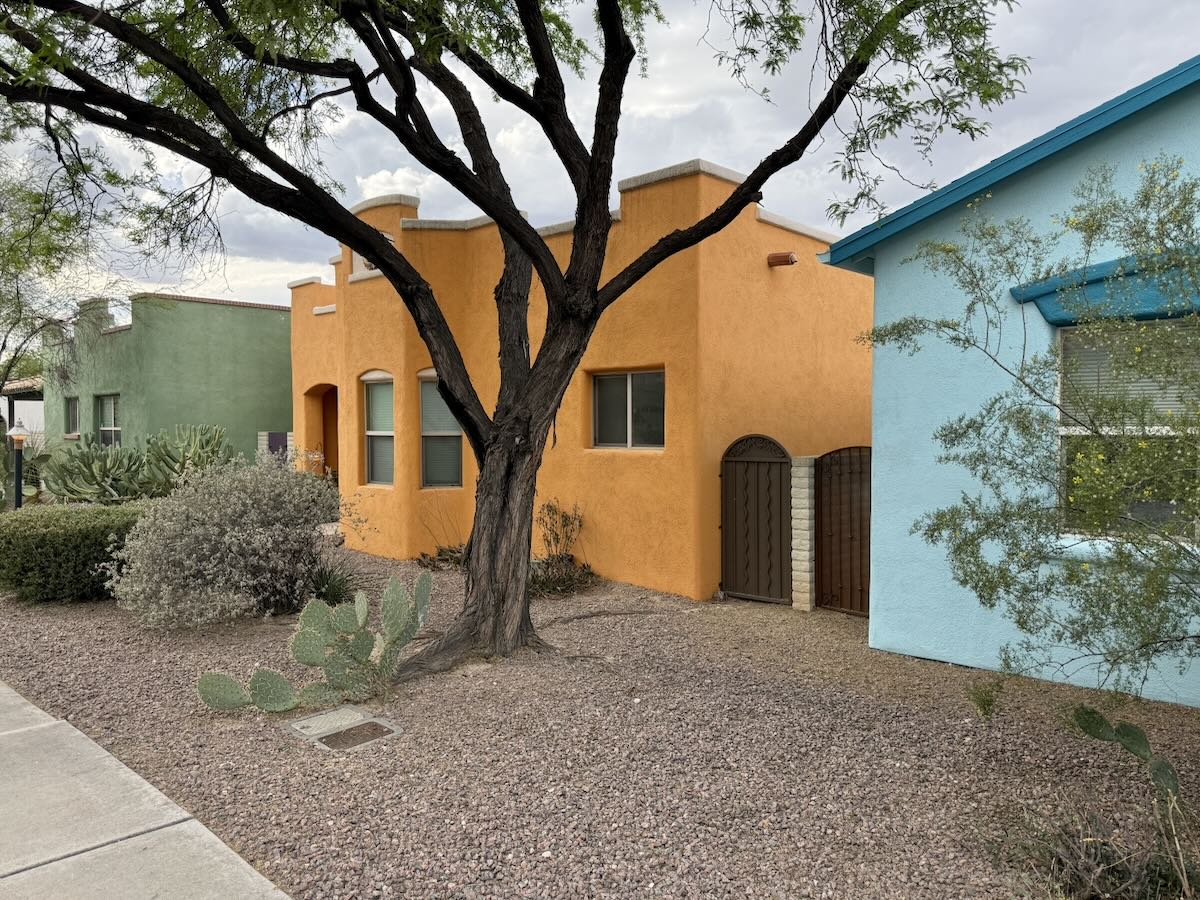
 Across from the Armory Park Inn, on the neighborhood’s eastern edge, is the Armory Park del Sol development. The following is cobbled together from the HOA website: “Armory Park del Sol is a community of close to one hundred single-family homes […] all built in the 21st century. Interior homes front on wide sidewalks, not streets, and each house has, at a minimum, a double garage located at the rear. All APdS homes were designed for energy efficiency, with photovoltaic panels and solar water heaters that are unobtrusive at street level. Universal accessibility features allow those using baby strollers, wheelchairs or walkers to visit any house in the neighborhood without difficulty.” According to Zillow, the houses have sold for anywhere from $415,000 to $850,000 in recent years.
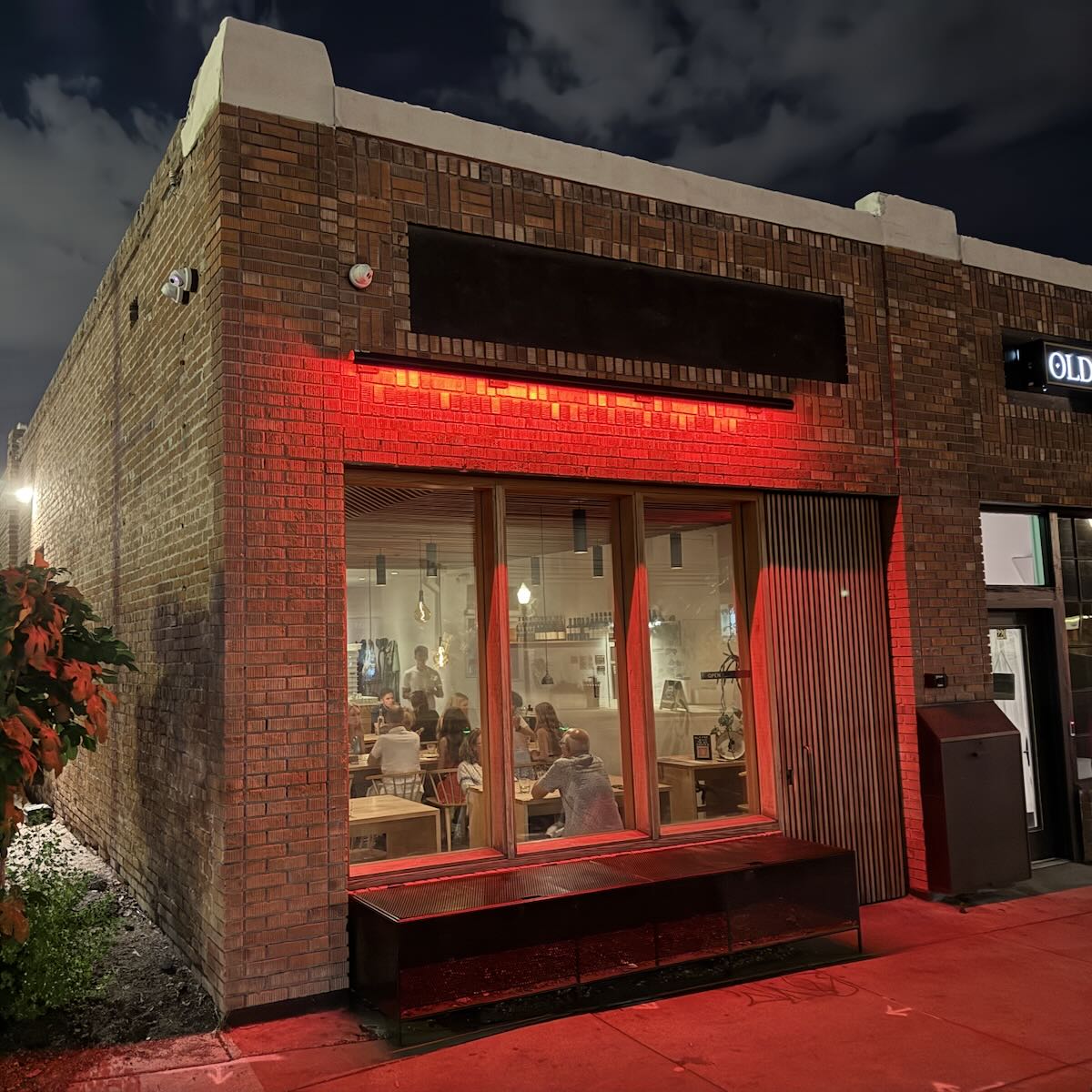
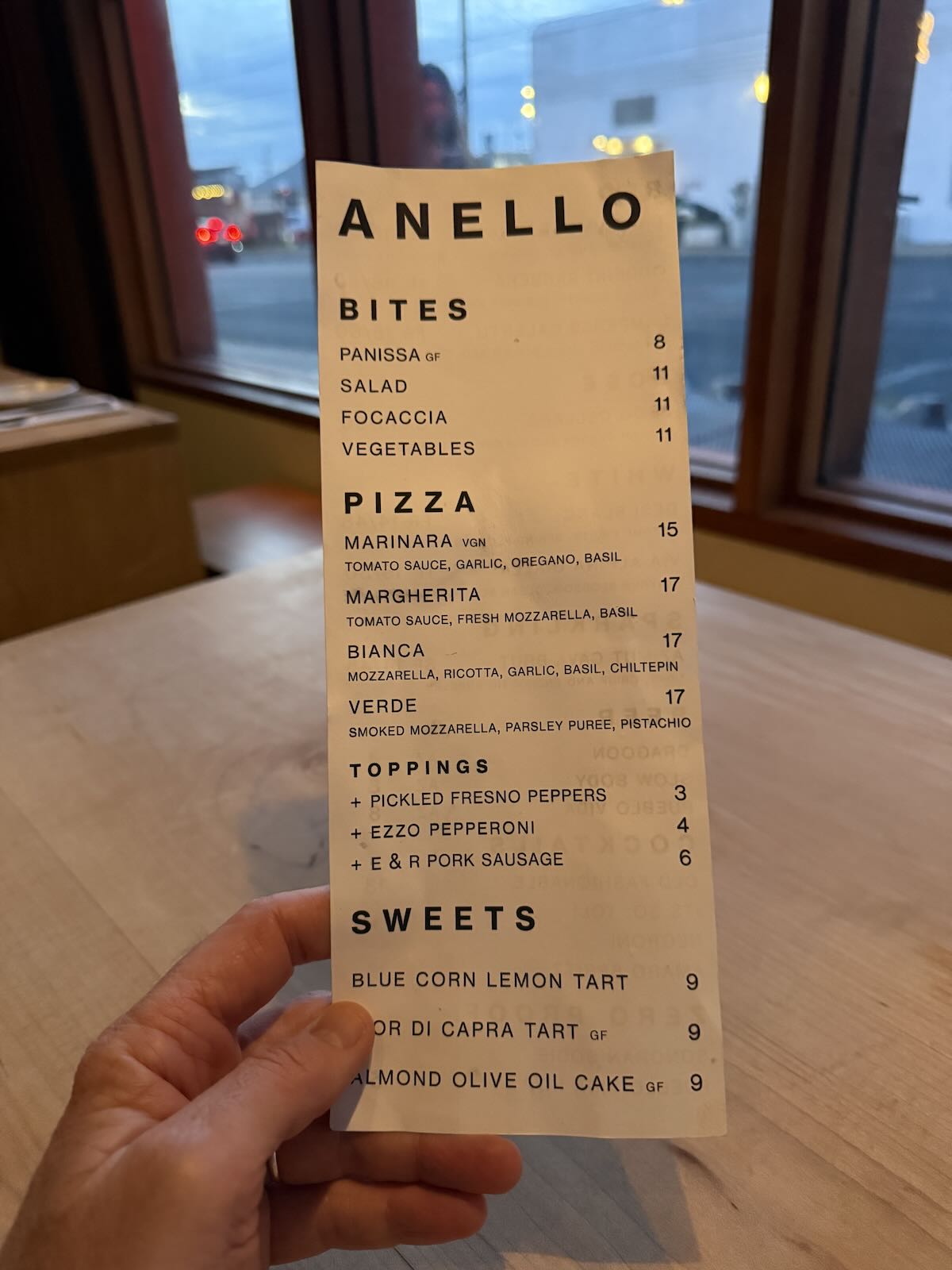
 Our second and final dinner was at Anello; a short menu focused on pizza is my sweet spot. The problem with a short menu, however, is that options are obviously limited. The night we were there, the salad involved unripe tomatoes, and while the eggplant dish fared better, it paled in comparison to previous dishes on the restaurant’s Instagram. The pizza was delicious—chef/owner Scott Girod is a veteran of Chris Bianco’s pizzerias—and the service was perfect, which made up for those tomatoes.
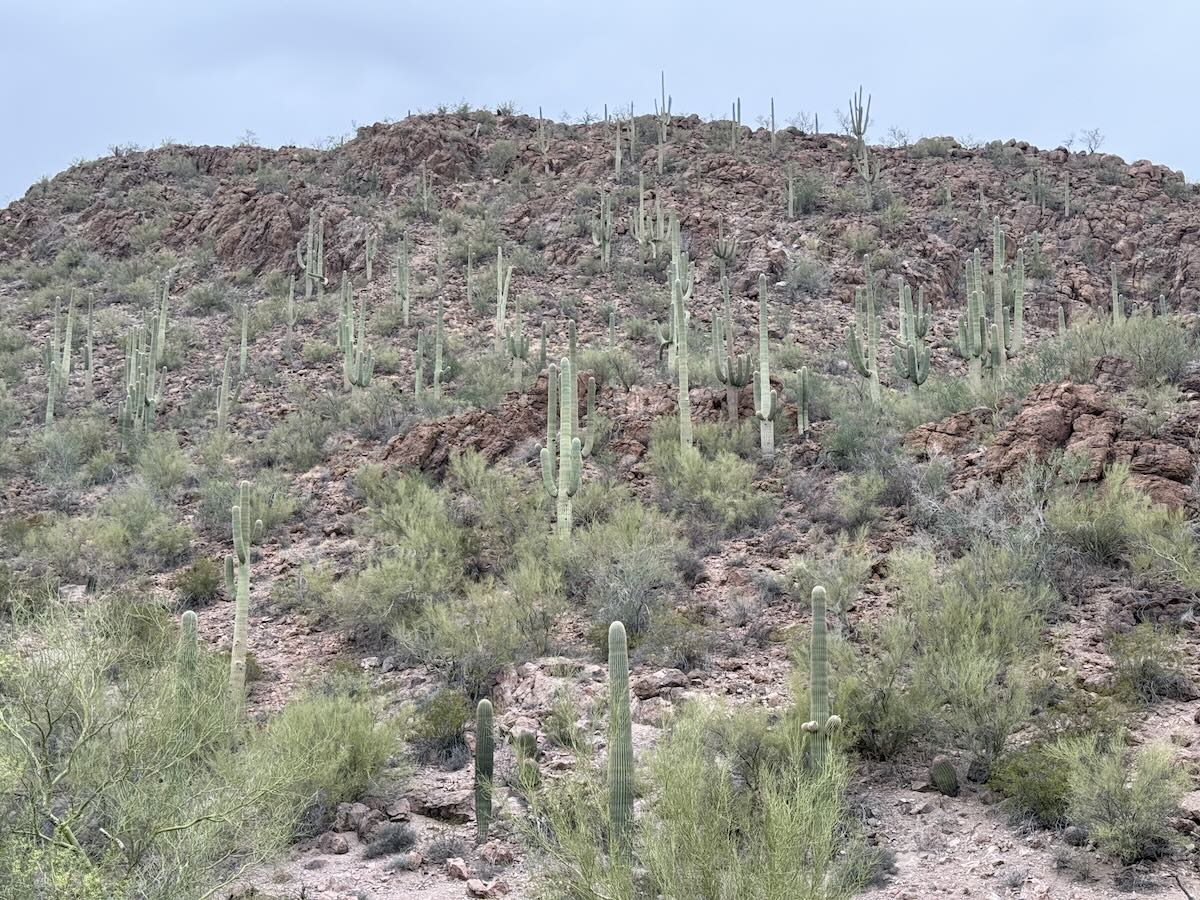
 On our way out of town, we drove into Saguaro National Park for a peek. Next time I’m in Tucson—I could honestly see it happening—we’ll go for a hike there.
 ·············
Previous travel coverage:
••• The Majesty of Angkor Wat
••• From Vietnam With… Ambivalence
••• Singapore: The City That Never Spits
↓↓↓ Las Vegas: The Original Sim City
••• That’s Life in Death Valley
••• The Glorious Isolation of Santa Barbara Island
••• Hiking From Hotel to Hotel in the Dolomites
••• A Ramble Through the English Countryside
••• Notes from Up North: Healdsburg, Mendocino, and San Francisco
••• There’s More to Peru Than Machu Picchu
••• On a Backroads Tour of New Zealand’s South Island
••• Navigating the North Island of New Zealand
••• Don’t Be So Quick to Write Off Phoenix
••• The Most Magical City in the World
••• One and Done in Sedona
••• A Proper Visit to Santa Monica
••• A Quickie in San Francisco
••• Dipping a Toe Into Southern Corsica
••• The Exquisite Luxury of Taking Paris for Granted
••• Santa Rosa Island in One Day
••• Soaking Up History at Castle Hot Springs
••• Driving Through the Heart of Hokkaido
••• Tokyo Is a World Unto Itself
••• Paso Robles, Pinnacles National Park, and Beyond
••• A Review of the Inn at Mattei’s Tavern
••• Another Quickie in L.A.
••• Sitting Pretty at the One & Only Mandarina
••• The Mysteries of Istanbul
••• Palm Springs: Midweek at the Oasis
••• Exploring the Sea Caves of Santa Cruz Island
••• A Summer Swing Through the Northeast
••• Why Is Everyone Going to Portugal?
••• Patagonia Made Easy
••• A Quickie in L.A.
••• From Penthouse to Pavement in Mexico City
••• Do Greek Islands Live Up to the Fantasy?
••• Splendid Isolation at Utah’s Lodge at Blue Sky
••• Three Reasons to Visit Paso Robles Now
 ················
Sign up for the Siteline email newsletter and you’ll never miss a post.










Wow!!! You visited My hometown! I love it. Finally some “TucsonTime on Siteline!”
Ok but… the Dirty T? That’s just the young ones that like to label stuff and ….None of us long time Native Tucsonans refer to our city as that. The “Old Pueblo” is more like it. Charming. Artsy. Historic and in my mind a sister city to Santa Barbara. Take a deeper peek behind the scenes of Food, Architecture, and the Culture with me. :-)
Little known fact… Tucson in many places looks like Santa Barbara without the ocean. The famous local architect/ builder team from generations ago (Joesler/Murphey) came to Santa Barbara in the early 1900’s and went back to Tucson and focused on Spanish Colonial Revival architecture and added it to the mix of Mission and Pueblo Revival. They defined the architectural identity of Tucson. Just AI it with Google.
Yep. All the famous homes of the Catalina Foothills Estates (7,000 acres) where I grew up are The Prizes! Lee Marvin’s Joesler/Murphey home just sold a few years back. And the beautiful commercial properties of Casas Adobes, Broadway Village, Saint Phillip’s plaza and the church St. Phillip’s. Don’t forget the Hacienda Del Sol guest ranch which was originally a 1929 ranch school for girls. My sister in law Susan Murphey married the late grandson Robert Murphey. That’s how I know about their visit to SB that no one really knows about!! Insider Information I say. Side note: Susan rented a home in San Roque for the next year so she’ll be hanging around the wine tasting room. An amazing and very accomplished artist btw.
Maybe on your next visit you can visit the Old Pueblo and enjoy its other true historic charm.
Yes I familiar with Sam Hughes. Quirky. Charming. Historic. My parents have a historic bungalow across the Street from the Arizona Inn. Another legendary Tucson hotel property that recently sold and is being updated. Sold to all my friends locally. Including Steve Kerr our local basketball legend! They will do a great job of the much needed renovation. So many Presidents of the past have visited and stayed there.
As you can see I’m mighty proud of my hometown and thank you for making it a focus in Siteline. And thank you for giving me a chance to highlight the other side of Tucson’s history! So similar to Santa Barbara. How about the Fiesta De Los Vaqueros?! And how about it being the ONLY UNESCO world Herritage site in America … for food?! You kidding me?! Insane! It’s the Mexican food and unquestionably amazing flavors. Team: there are So Many amazing ones but for me and others: Rosas on Campbell/ Ft Lowell is the winner. Don’t ask how much money me and the fam have spent there over last 45 years. Basically a weekly visit. True dat!
Honestly the Mexican cuisine along with the historic architecture is what defines Tucson quickly. Along with world class Spas like Canyon Ranch and Miraval. Not to mention our Arizona Wildcats basketball team. National Champs 1997 and hall of fame coach Lute Olson. Came close again this past year!
One thing Tucson doesn’t have? You guessed it. Santa Barbara’s weather. So they just come visit right?!
Appreciate you Erik!
Jamie Slone