

When people ask what I miss about living in New York City, I always say the same thing: the restaurants and the walking. But the proximity to Europe is also pretty special—you can fly just about anywhere nonstop, and the jet lag is much less brutal than from here. So after Scotland, my husband, Adam, and I decided to tag on somewhere warm and dry. Murphy’s Law being what it is, we arrived on Mallorca, a Spanish island in the Mediterranean, the same afternoon as a torrential thunderstorm that caused widespread damage.
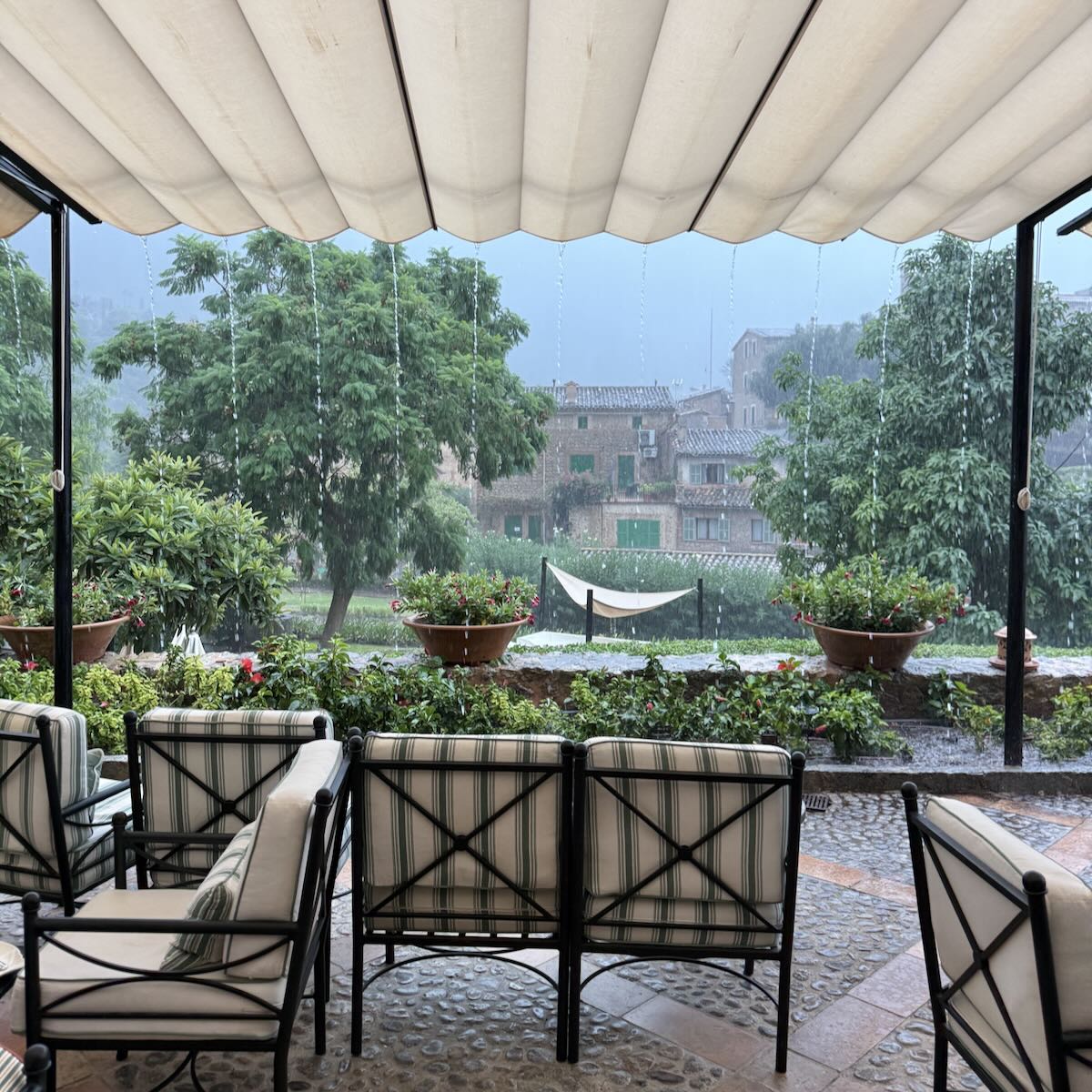 Understandably, the staff at La Residencia, a Belmond property in the town of Deià, was in panic mode—and that was before the power went out. The woman checking us in, however, never got distracted by the chaos, finding us a spot to wait till our room was ready, bringing us a snack, stopping by every now and then to make sure we were OK, and so on. You would think we had been left in a basket on her doorstep. The treatment seemed remarkable at the time, but after three nights at the resort, we concluded that the next-level service was standard operating procedure. Two more examples: a) a manager who overheard us talking about noise came over to ask what he could do to help, and b) during dinner, we requested a pitcher of milk to take to our room—to make Nespresso more palatable—and the staff delivered it while we were still dining. The attention never felt forced or oppressive.
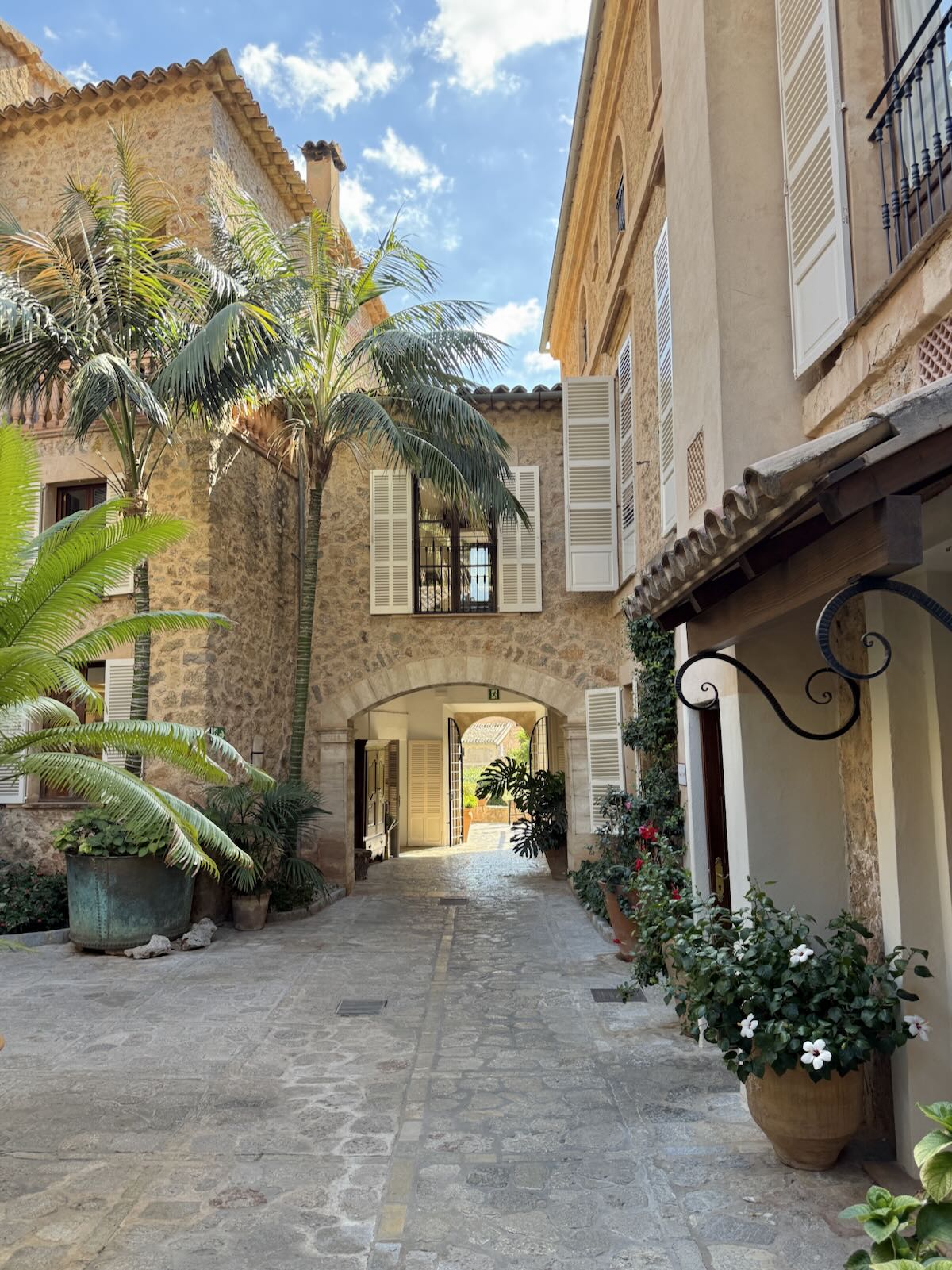
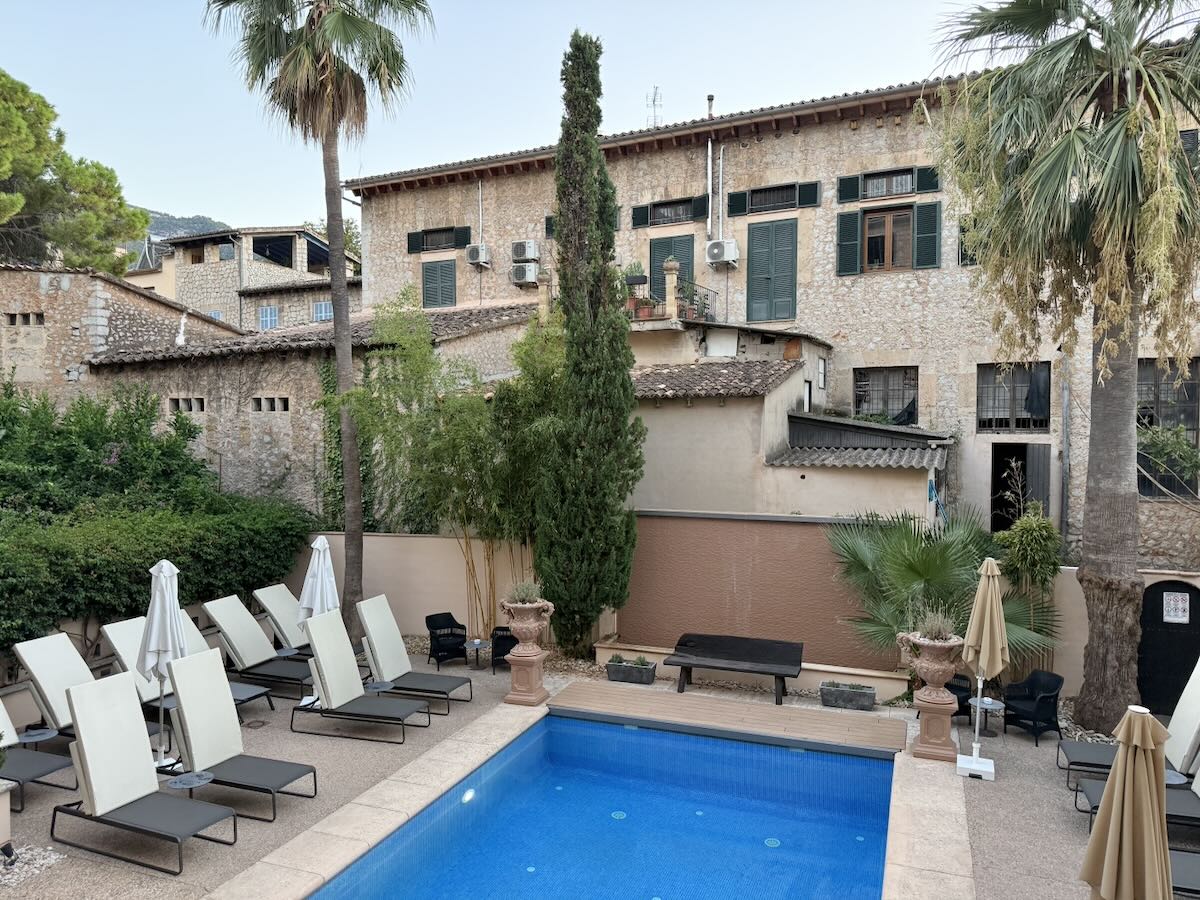
A combination of old and new buildings, La Residencia seduces at every turn, although capturing the village-like atmosphere in photos is difficult. To get anywhere involves stairs and a courtyard or two, and the multi-level layout means that you’re often looking out at red tile roofs.
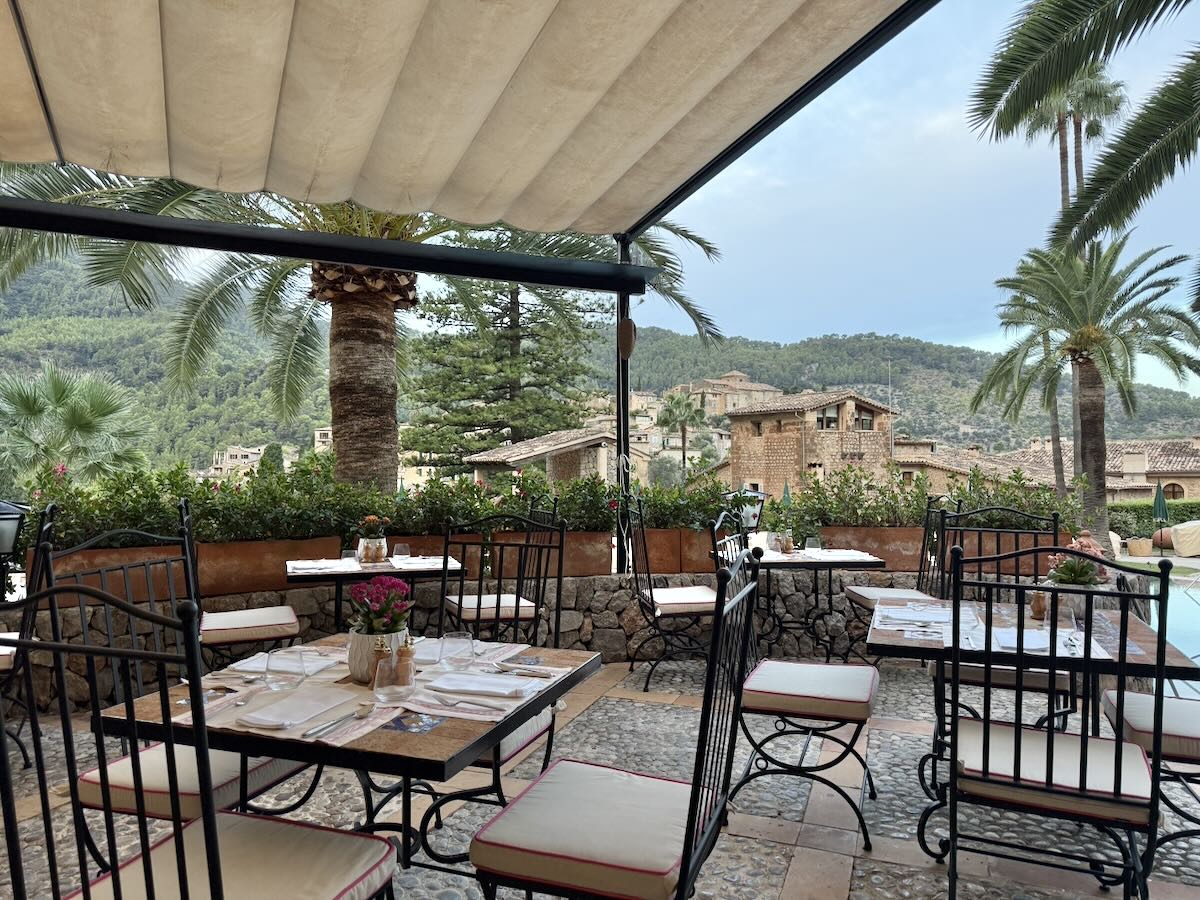
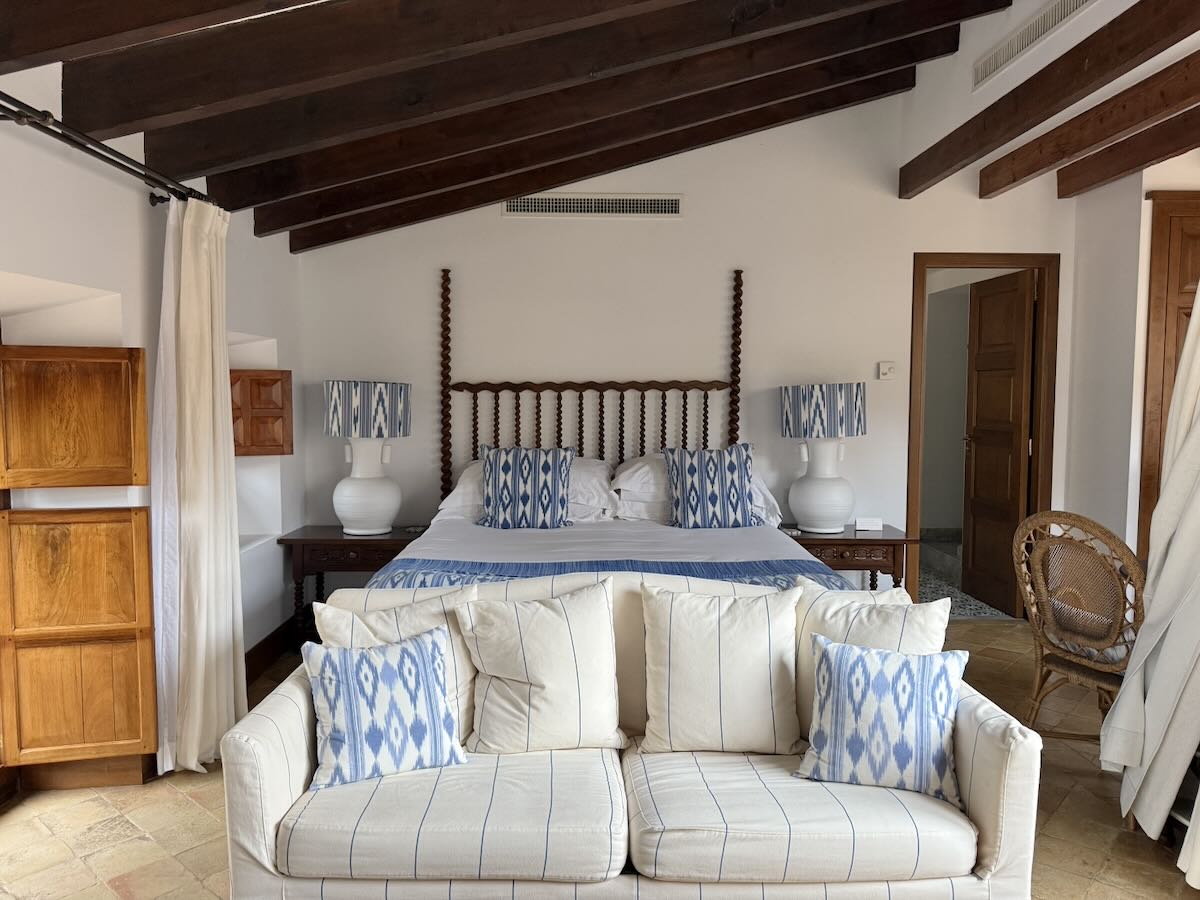
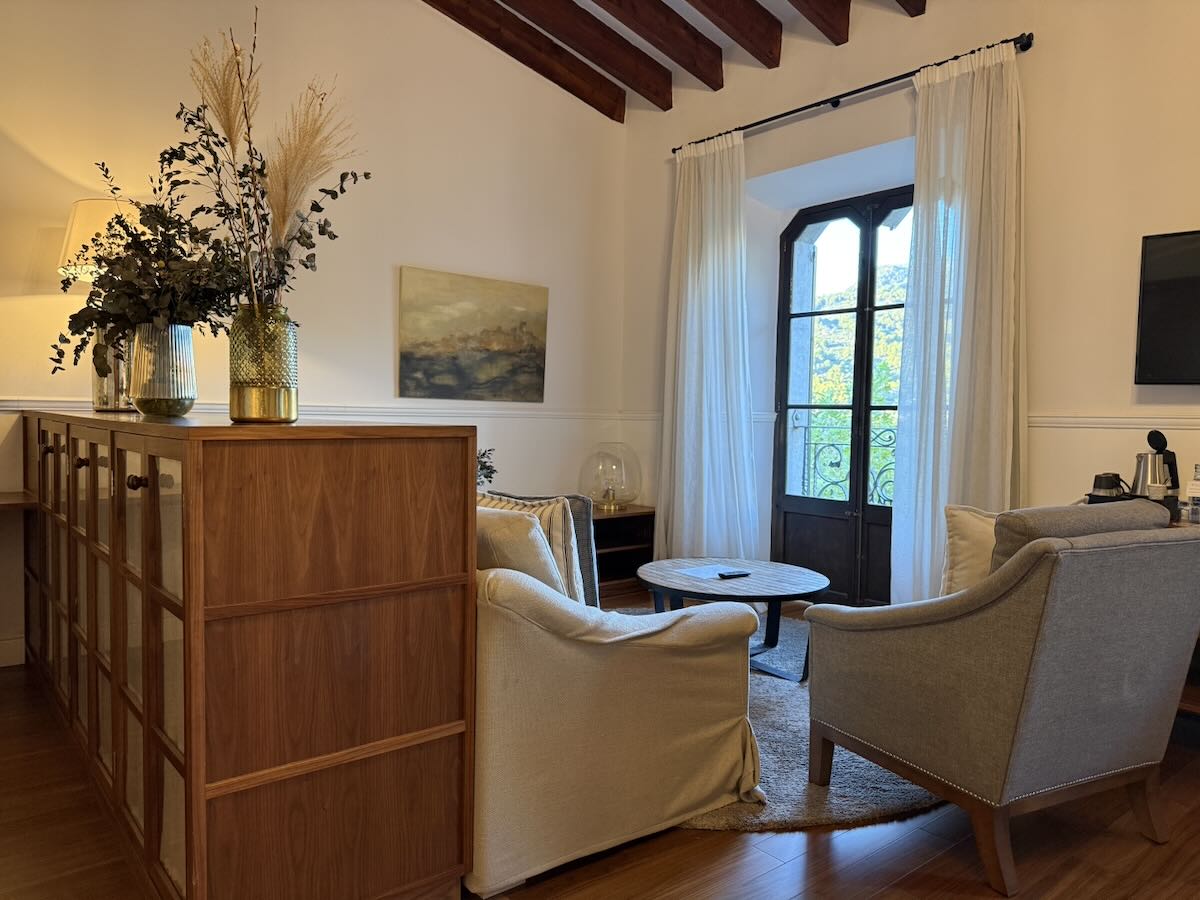
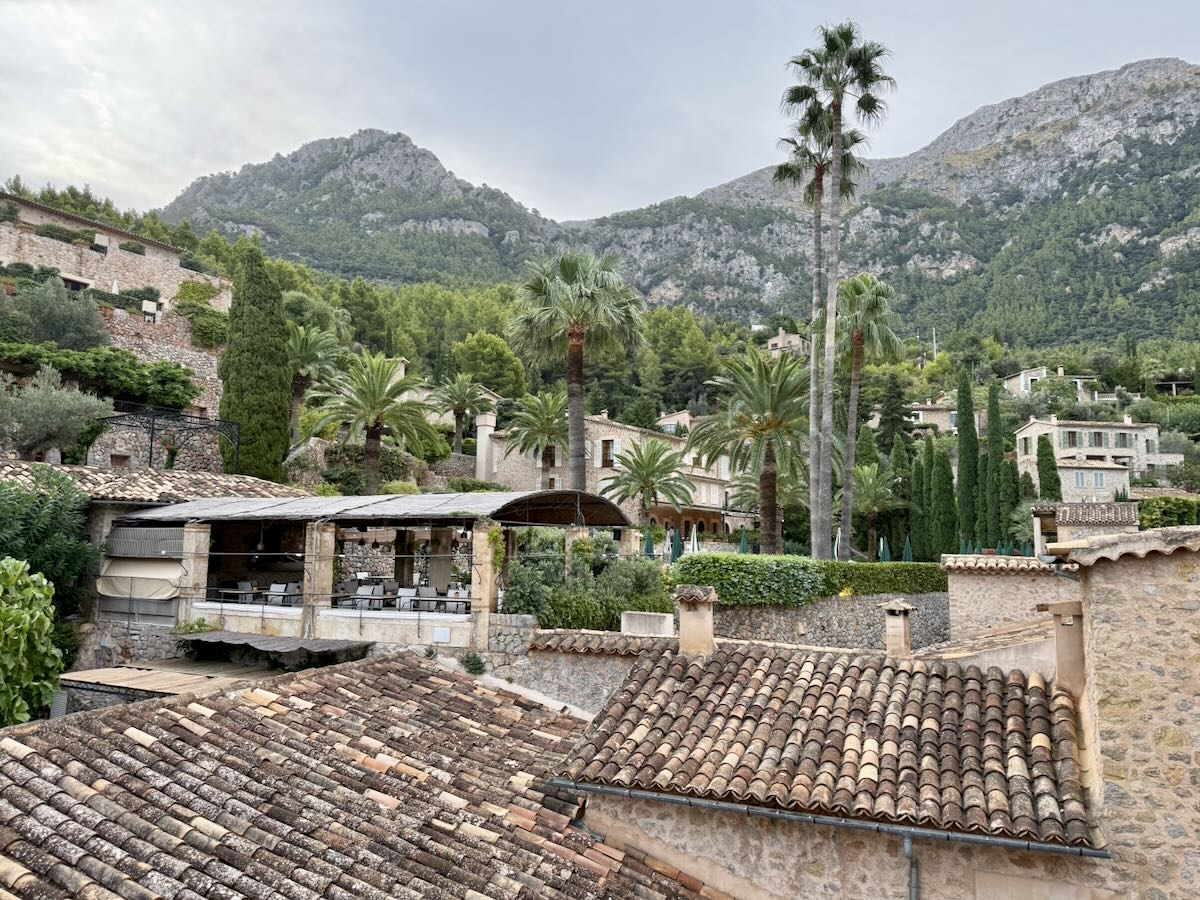 We booked a superior double room and got upgraded to a junior suite. The extra space, including a deck, was a treat, but we did wonder what it would be like to have a better view—and to not be positioned between two restaurants with outdoor seating.
 The village of Deià is stunning: stone buildings and ancient olive trees are staggered on the hillside, with the Serra de Tramuntana mountain range as a backdrop. It’s so lovely…
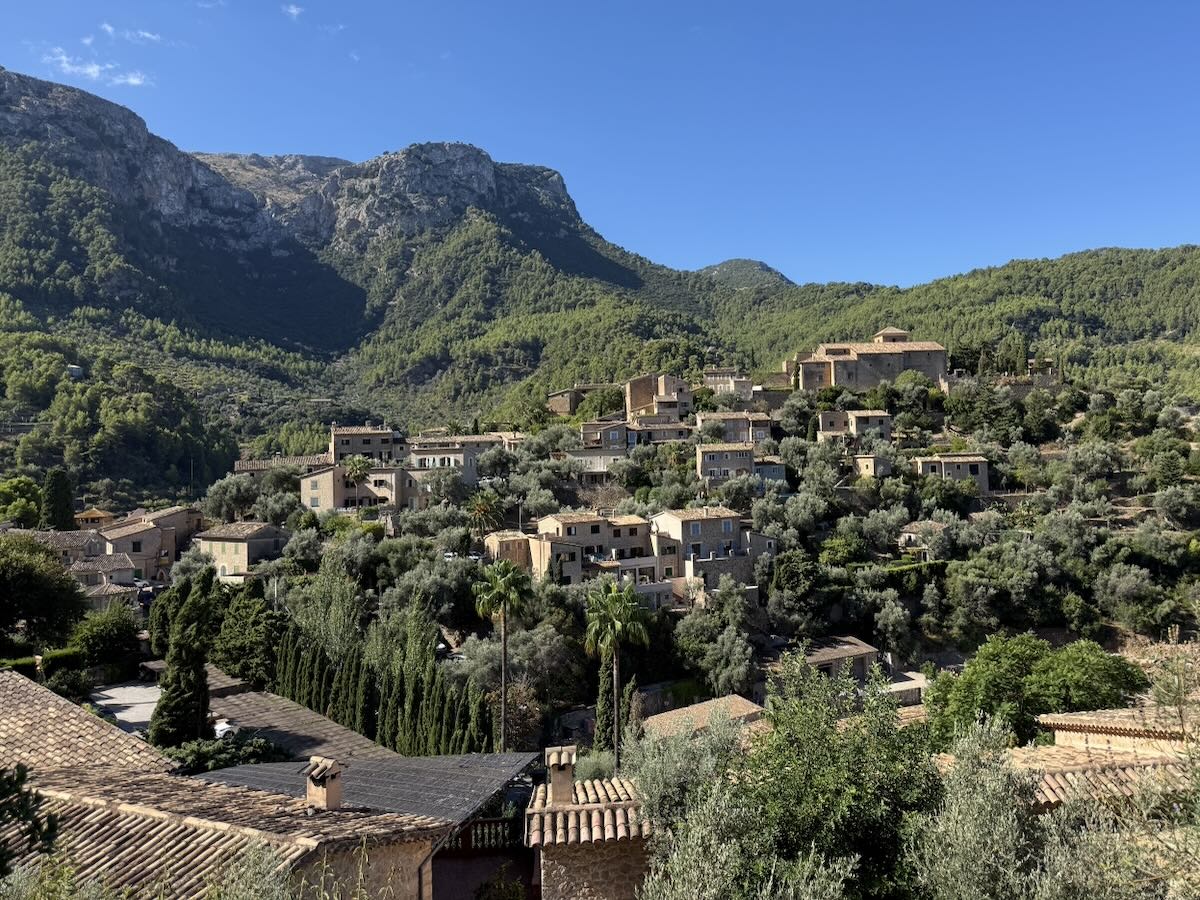
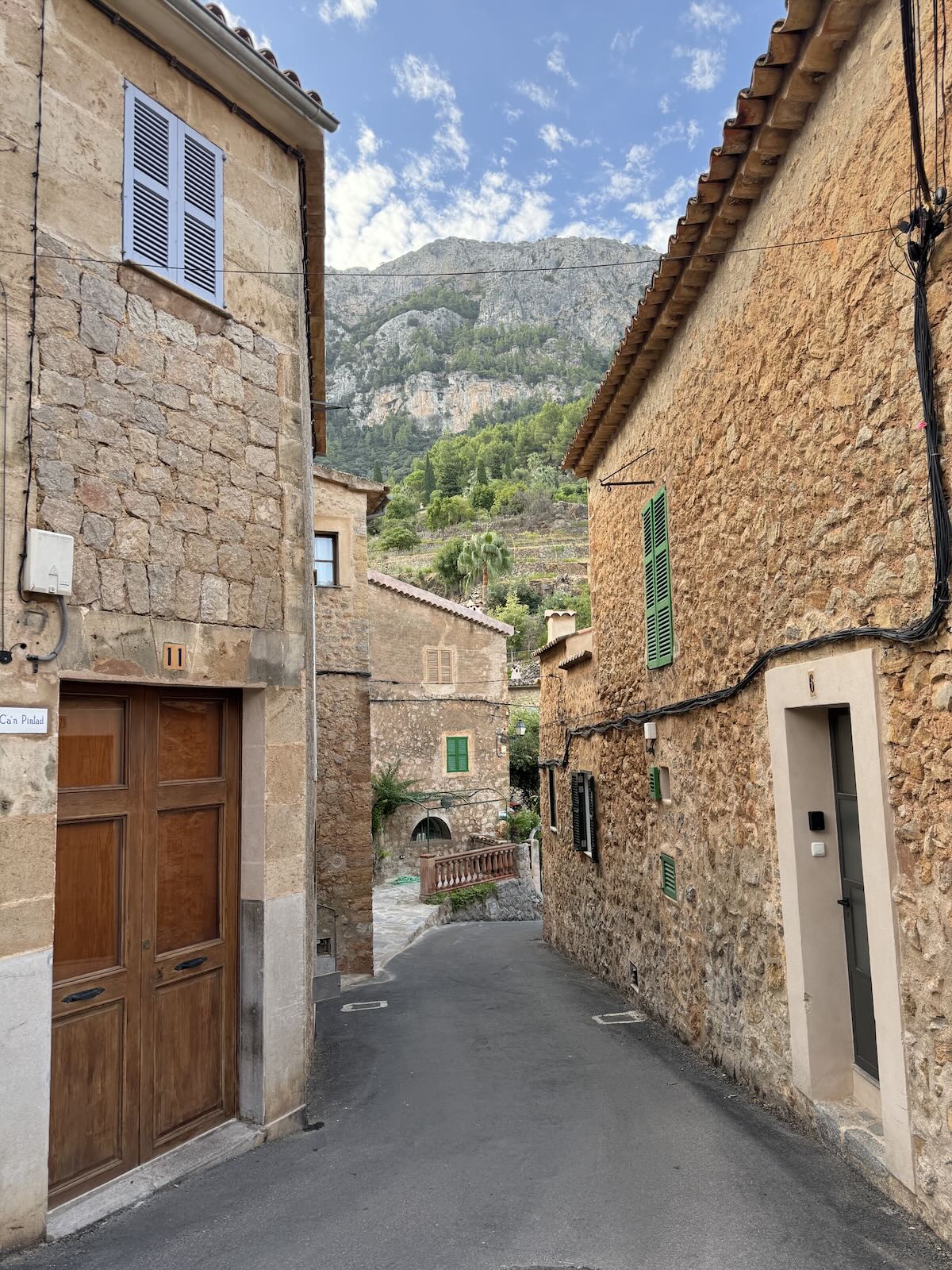
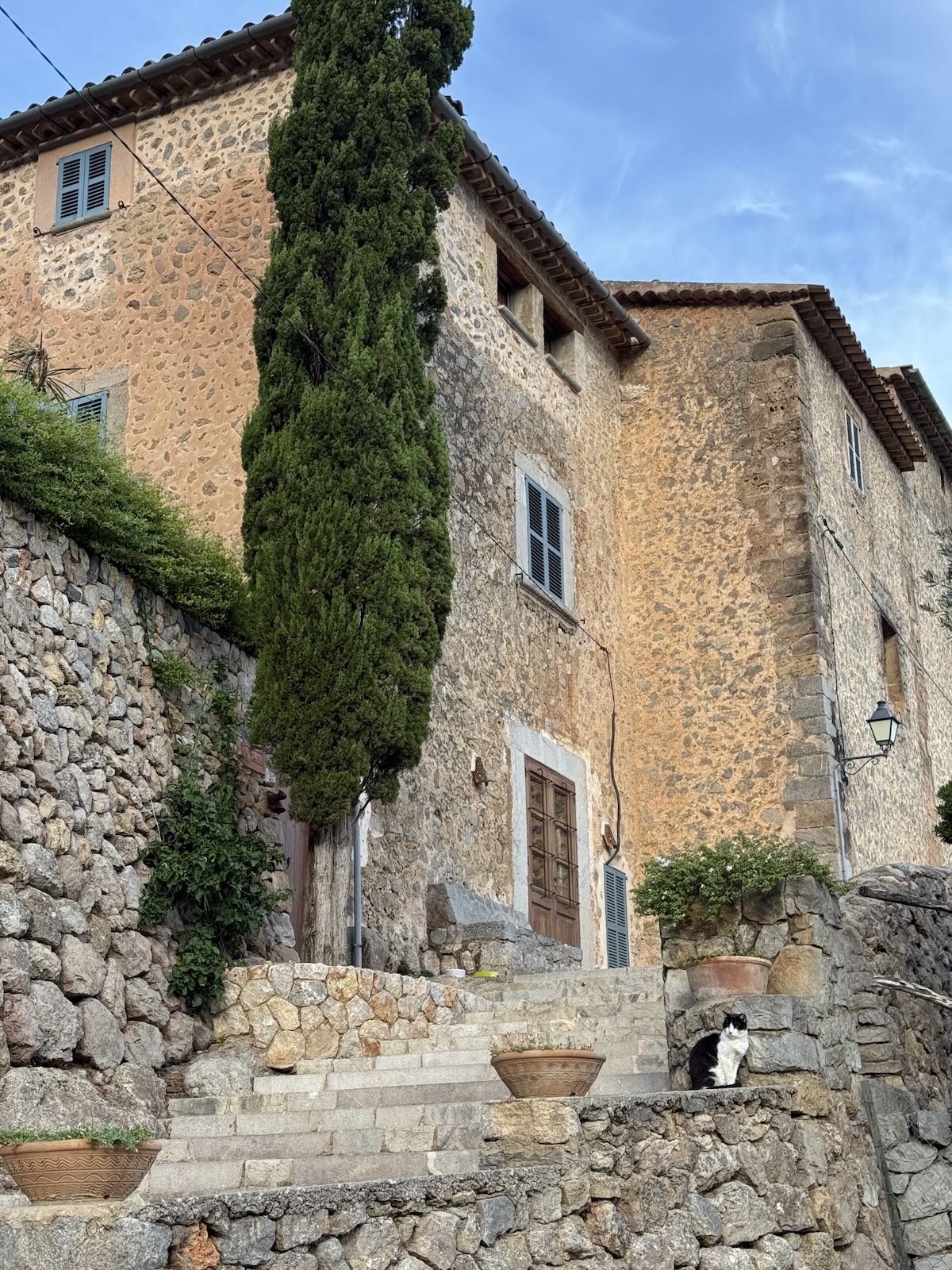
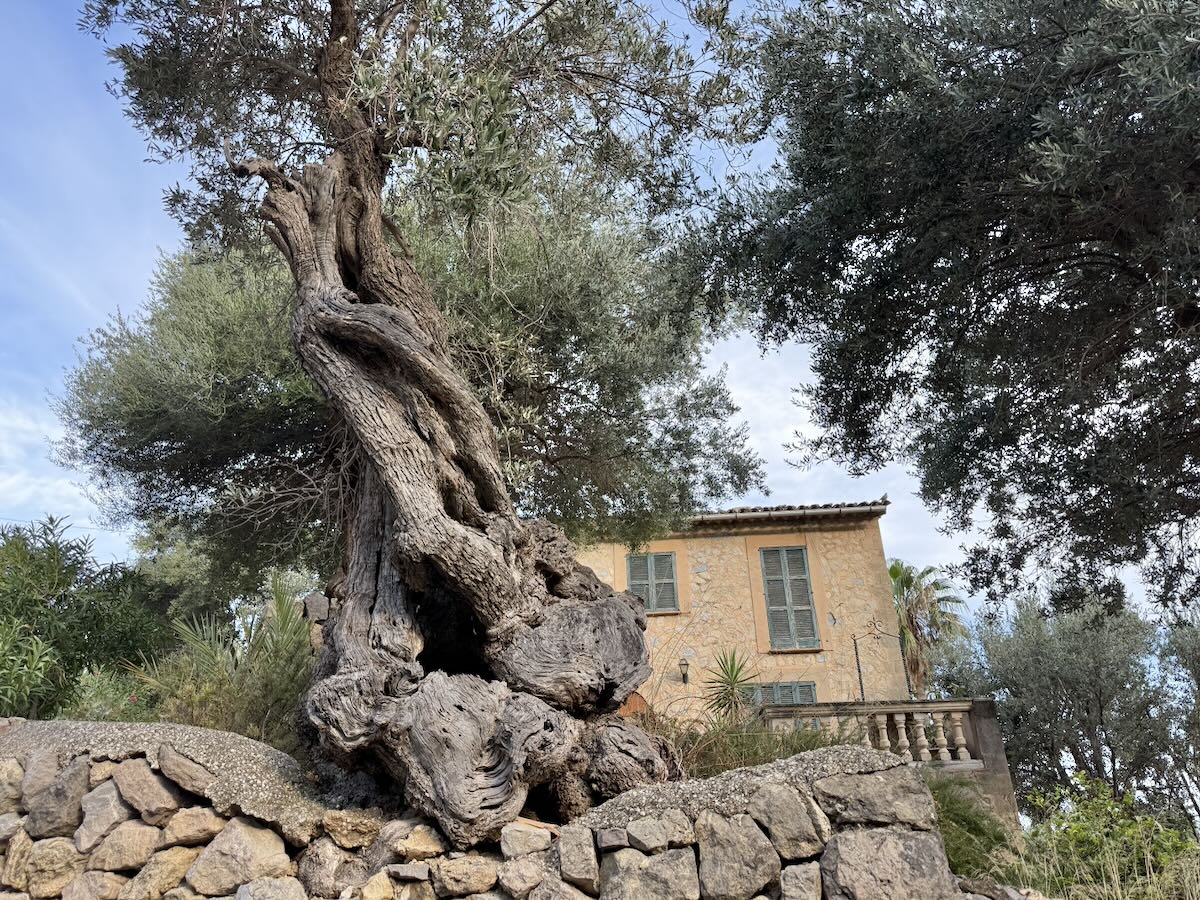 …in the morning before the hordes arrive. We knew Mallorca would be touristy, having read about protests by fed-up locals. Even so, arriving at the Palma airport to discover our bags were at carousel 25—did we get rerouted to Vegas?—came as a shock. We assumed the situation wouldn’t be as bad in the northwest of the island, far from the beach resorts, and in September rather than high summer. As one local explained to us, however, the problem is that rather than just stay put somewhere, visitors are now driving everywhere, jamming up the roads and overwhelming the villages during the day. If Mallorca wants to stop the flood, it has to turn off the spigot of cheap airfares from low-cost European airlines.
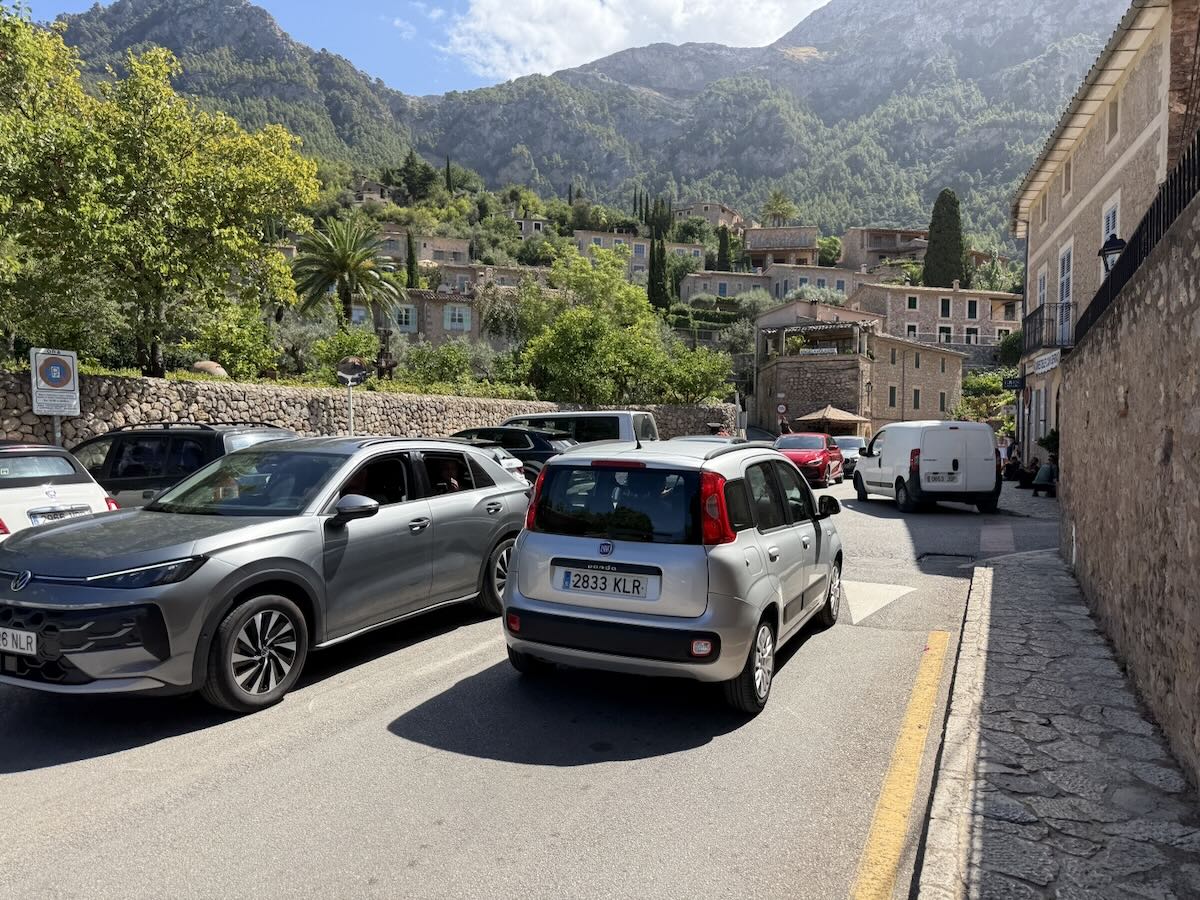
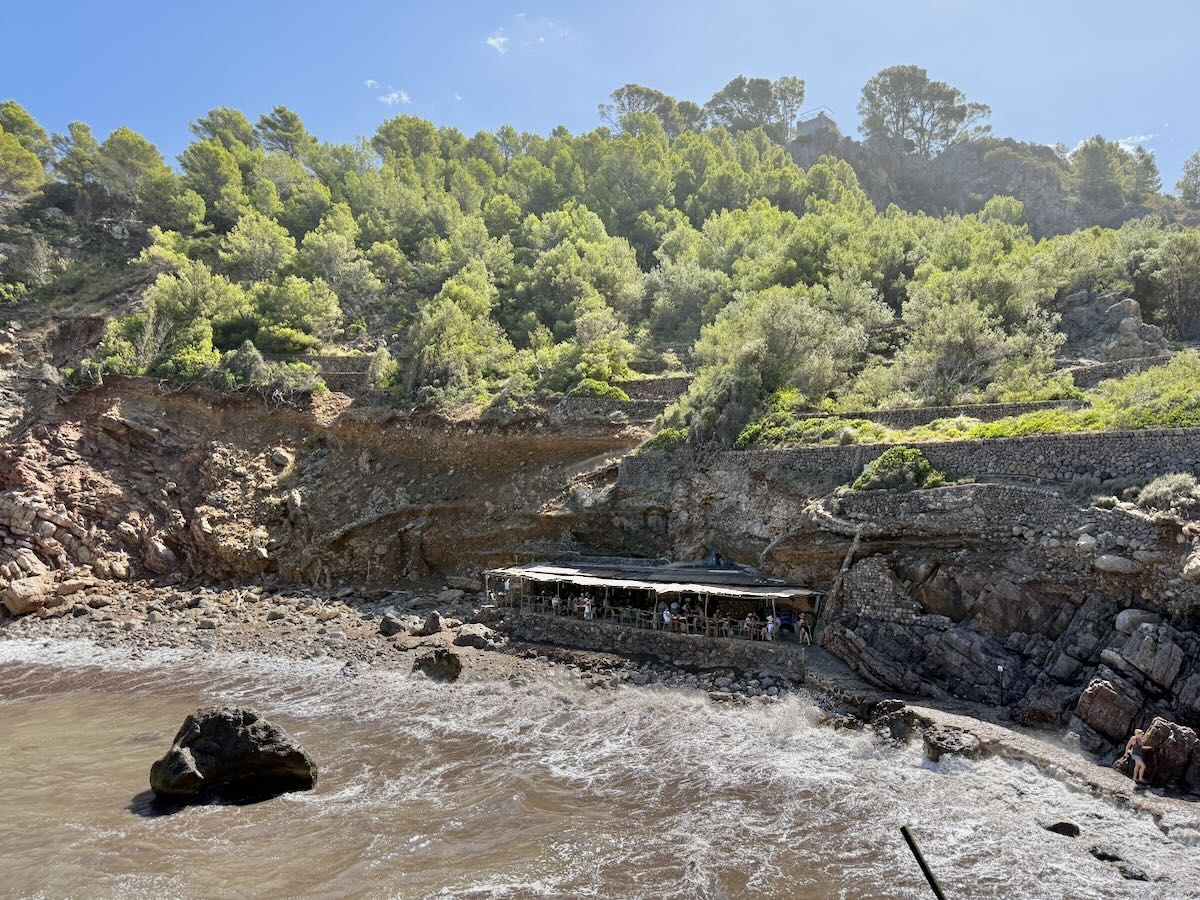
We took a couple of walks around town and had a mediocre dinner at a restaurant with a pretty view, velvet rope at the door, and €100 penalty for canceling within 24 hours. And we made the trek to Ca’n Lluc, a famous restaurant on the rocky beach in Cala Deià. The water was still roiling from the storm; as a result, dining there looked more risky than pleasant.
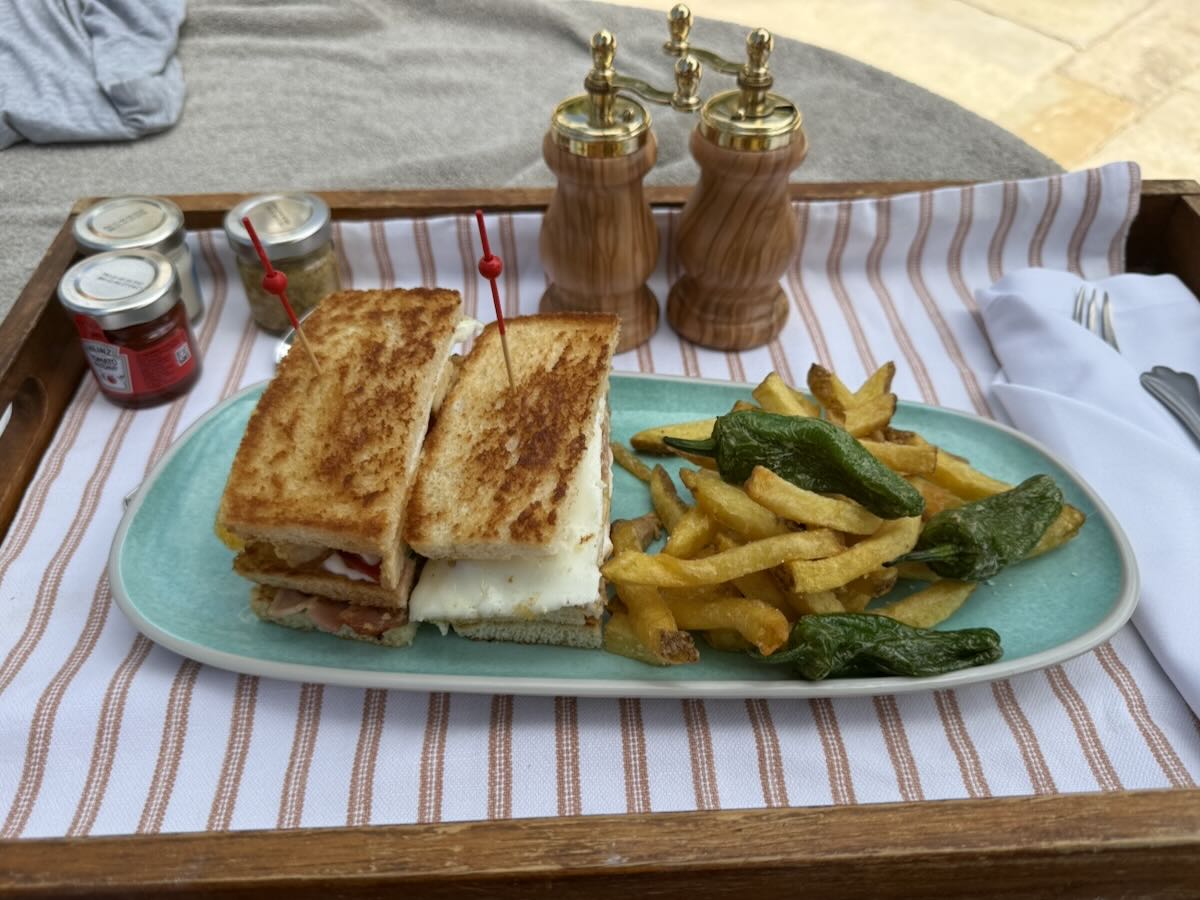
 La Residencia was so comfortable that we punted on exploring and holed up for a couple of days. Adam has since told several friends that he thought the hotel was among the best ever. I wouldn’t go that far, but our stay was among our most pleasurable. We gave ourselves permission to do just about nothing—and to pay the premium that resort living demands. My club sandwich by the pool was worth every céntimo of the €38 price.
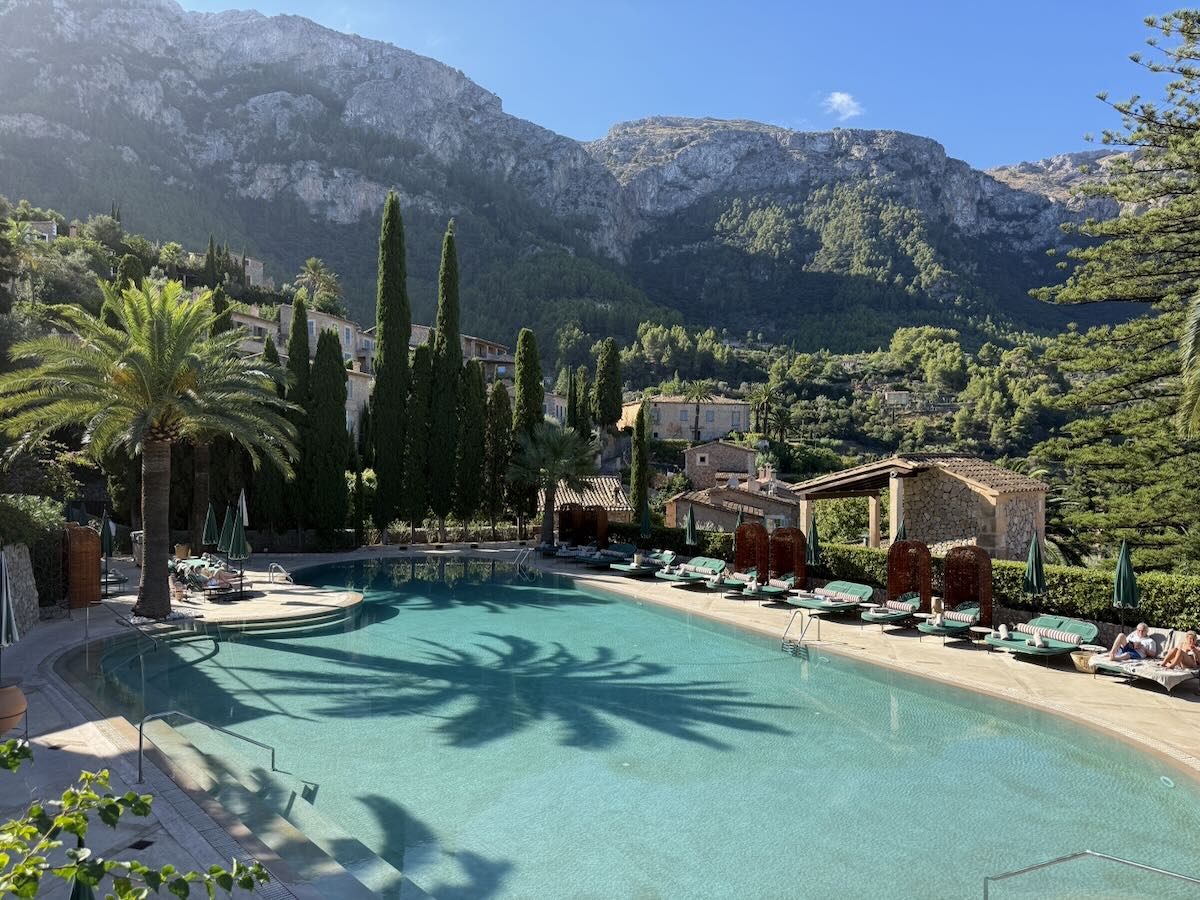
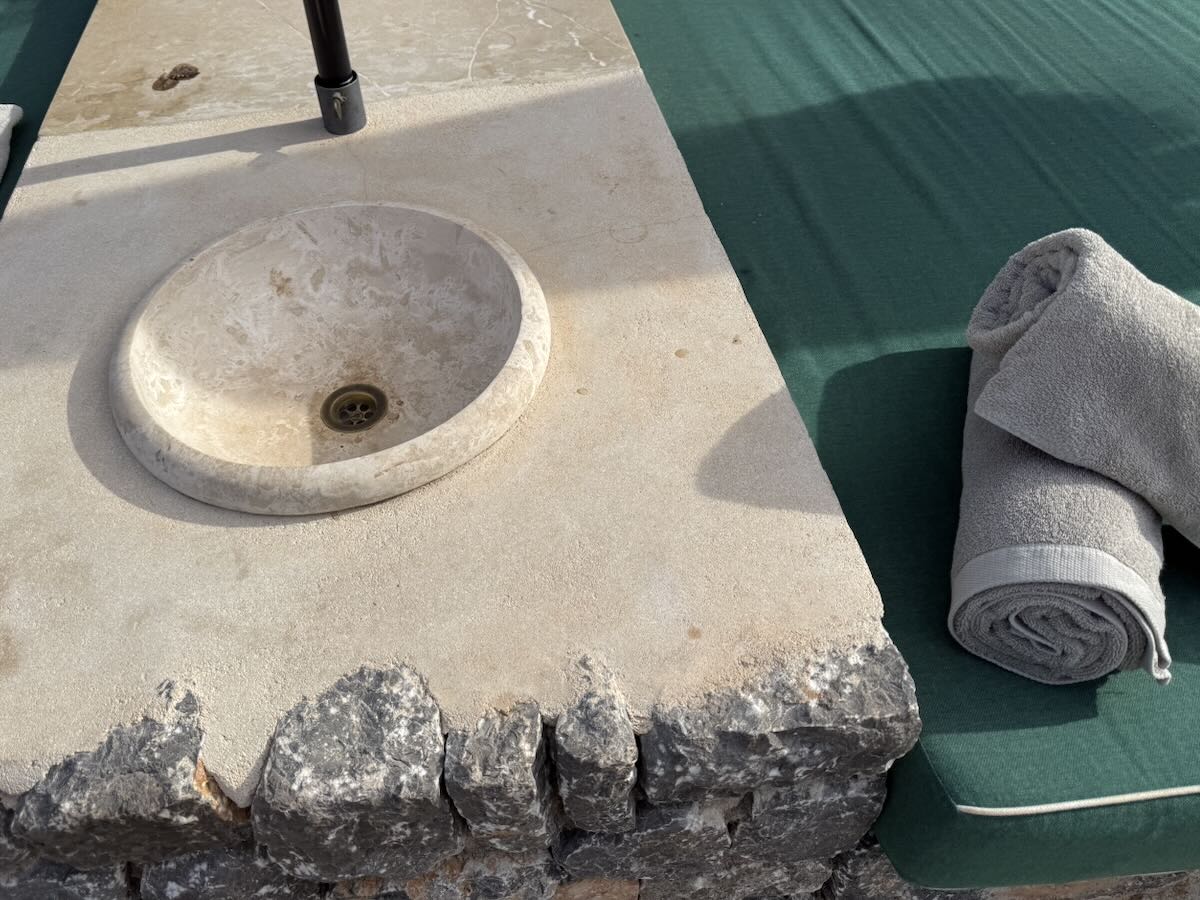
Some of the chaise longues have dividers with sinks to use as an ice bucket for chilling wine. It was almost enough to make me drink during the day.
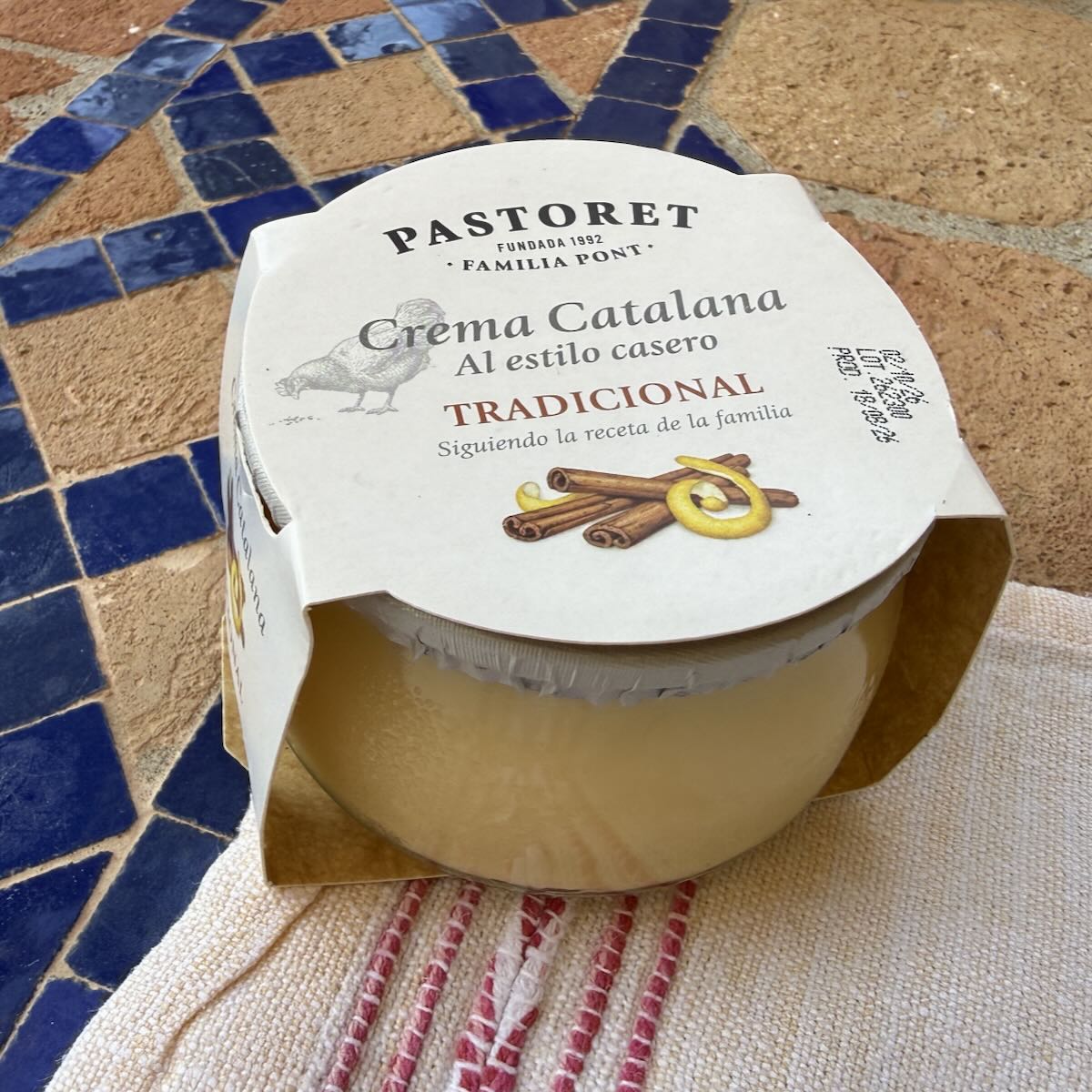
 I find splurging more bearable when it’s balanced out with a little skimping. After paying €30 for a Negroni one evening, for example, we had a late, large, free breakfast the next day and skipped lunch—easy to do when you mistake the rich crema catalana at the buffet for yogurt.
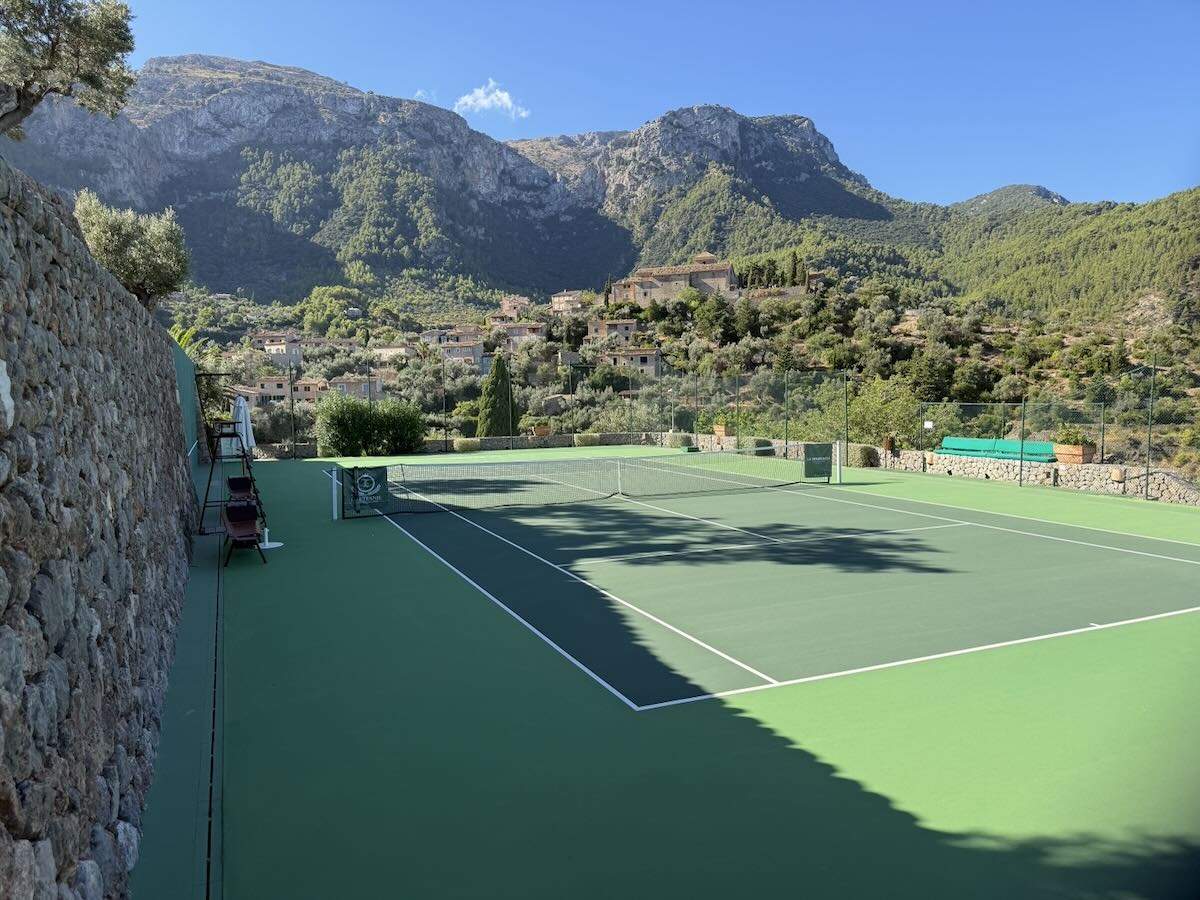
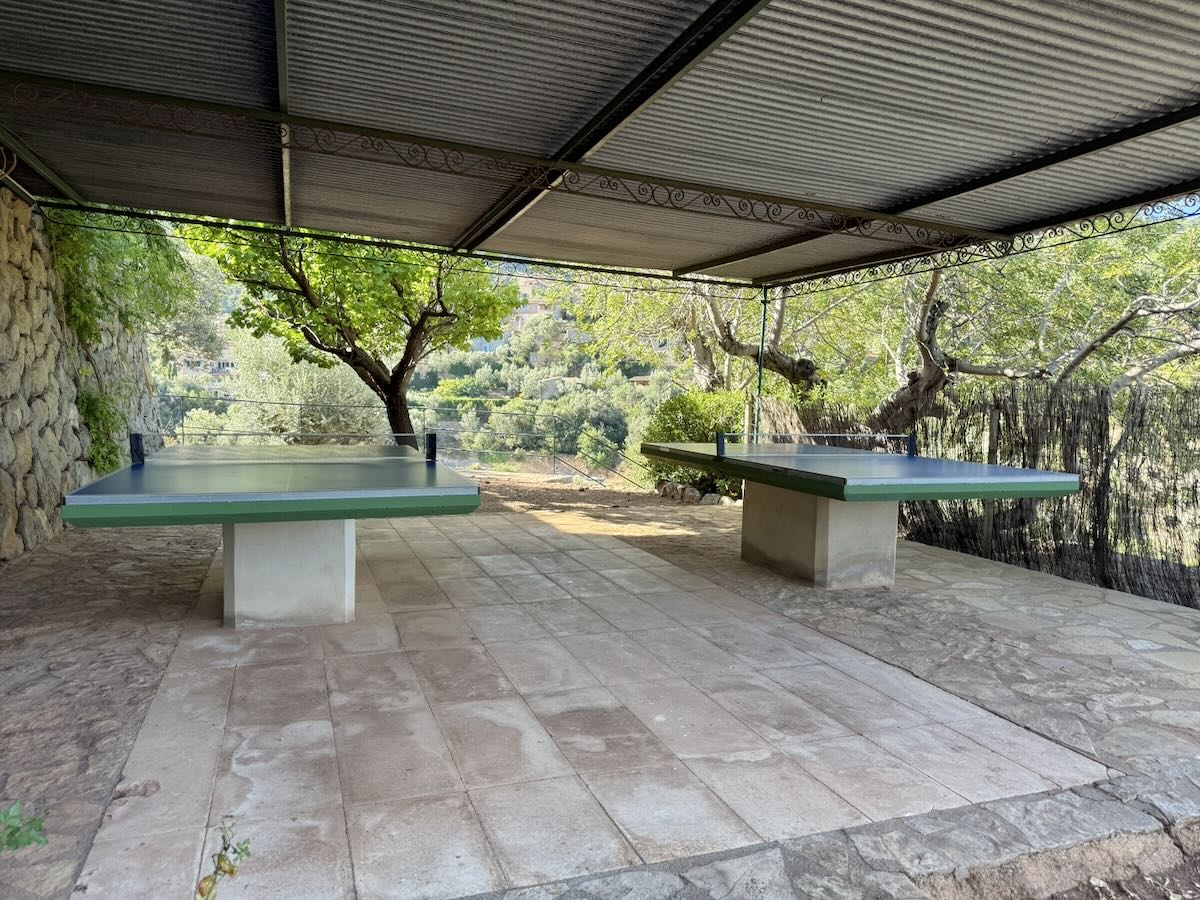
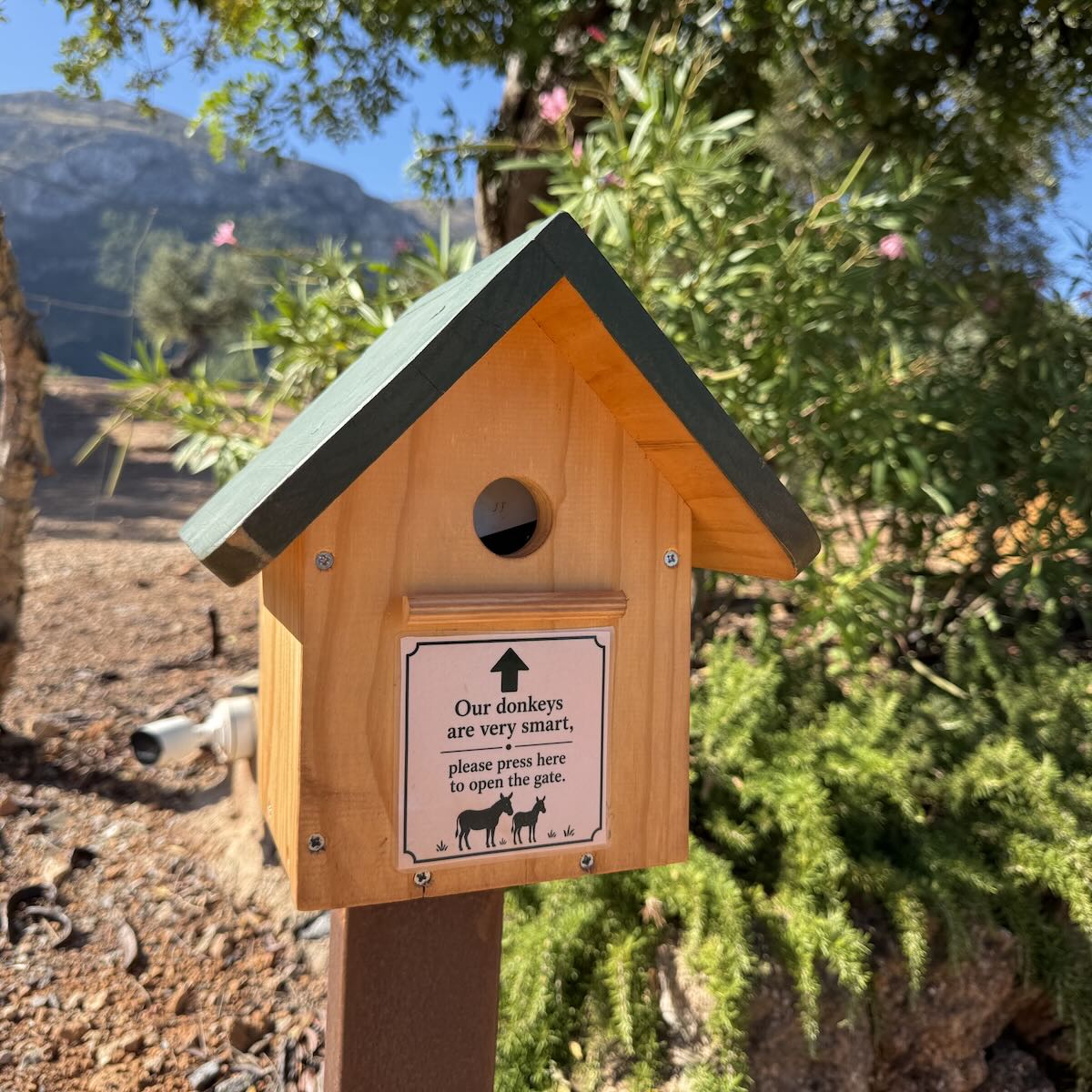
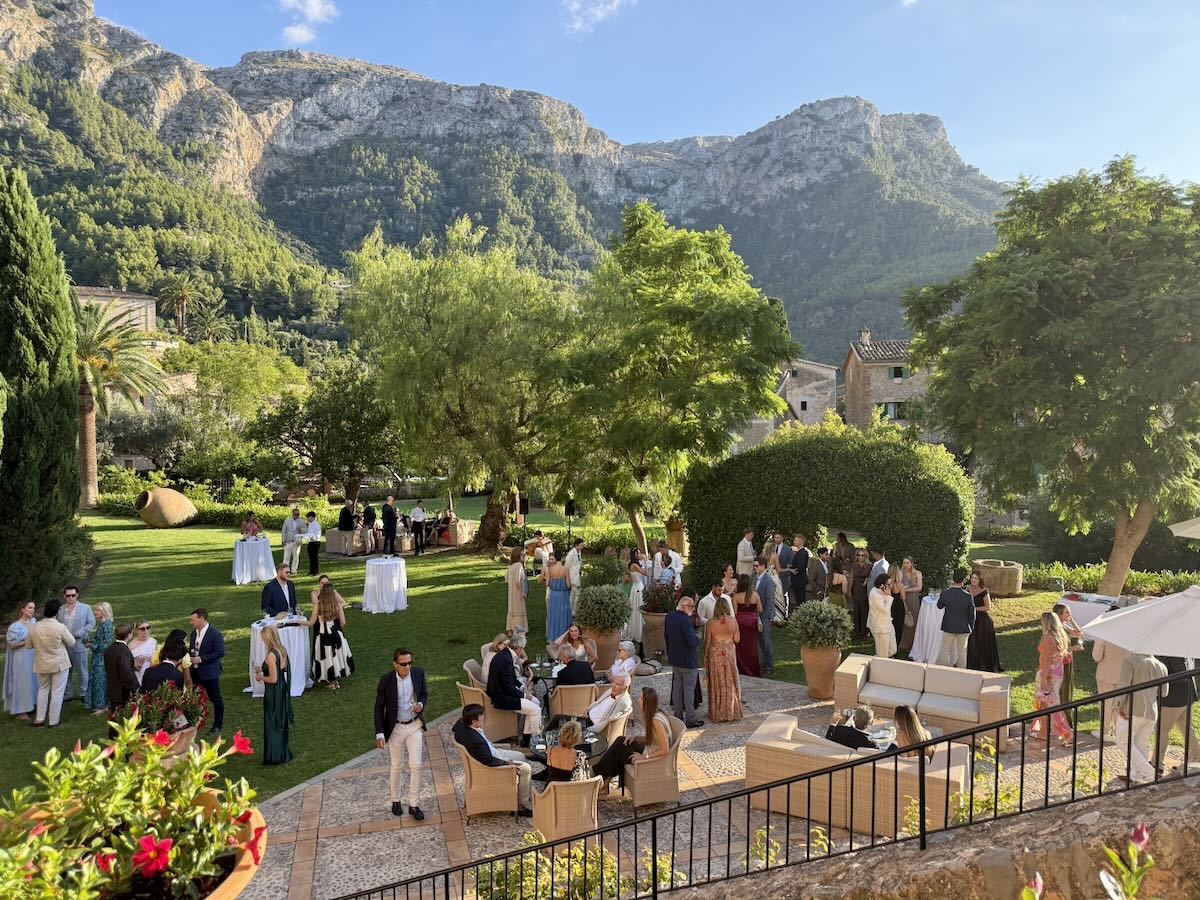
 While not reading by the pool, we scoped out the gorgeous tennis courts (amazing ocean view not pictured); played table tennis (I won); went searching for the house donkeys (to no avail); and did the visual equivalent of eavesdropping on a pre-wedding cocktail party.
 At any resort, you’re at the mercy of the quality of the other guests. They were generally fine. One exception was the American man we overheard declaiming, “You have to go Barcelona for the restaurants and then Ibiza for the tits.”
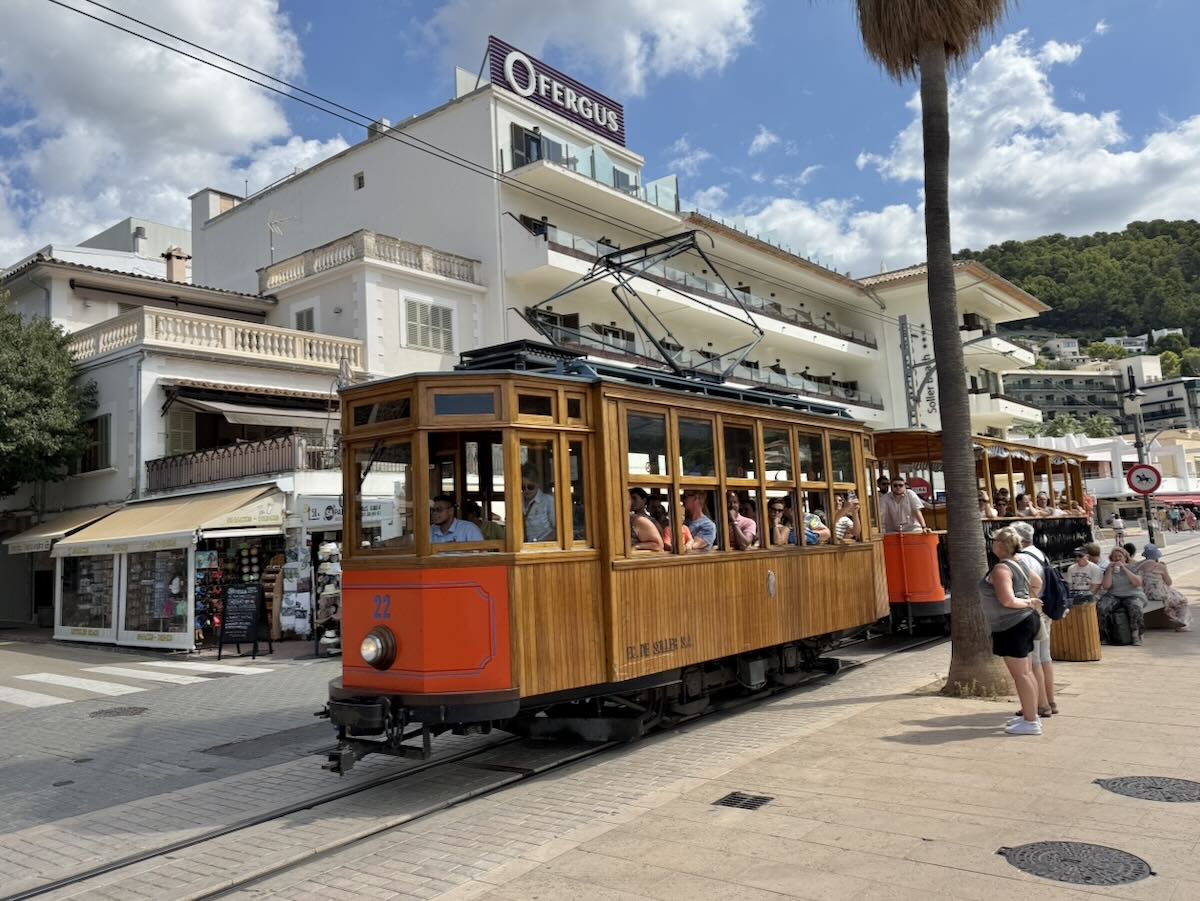
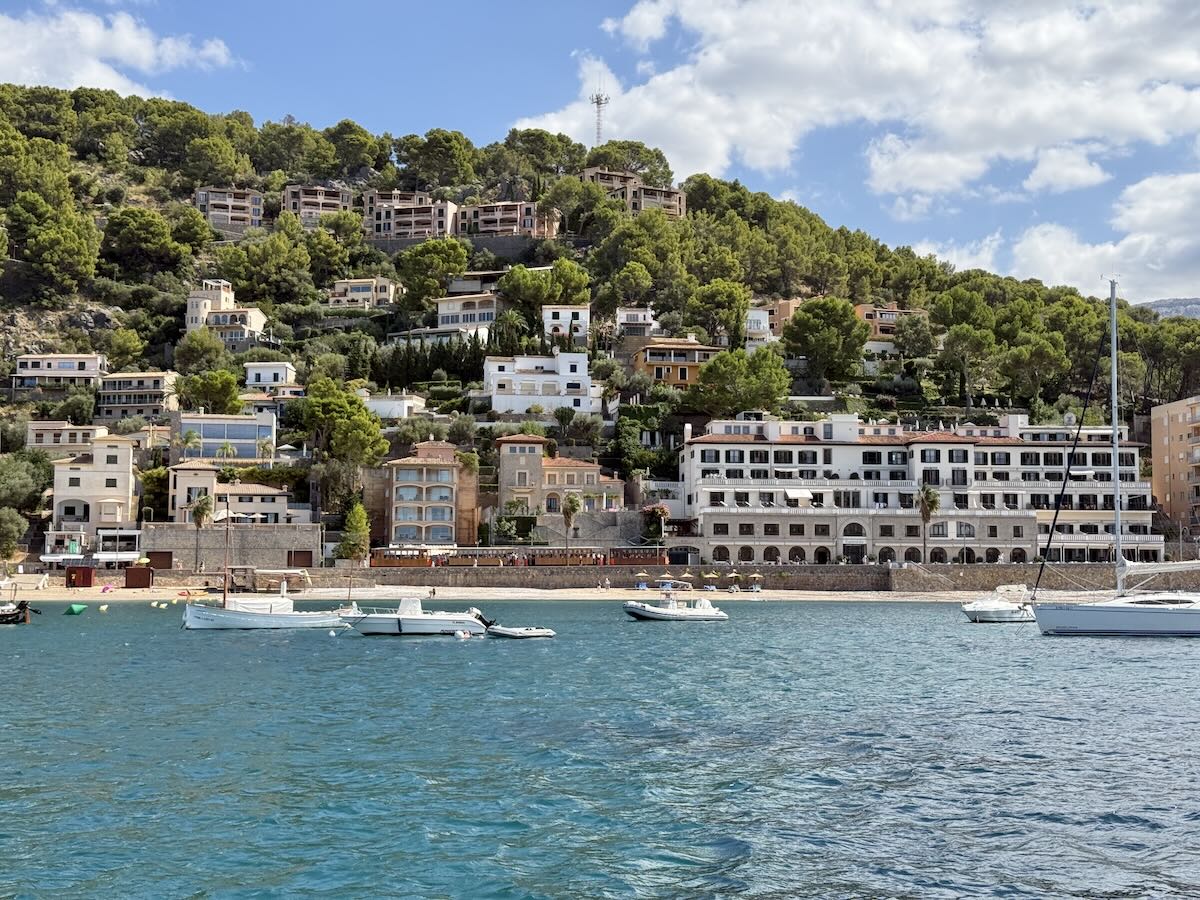
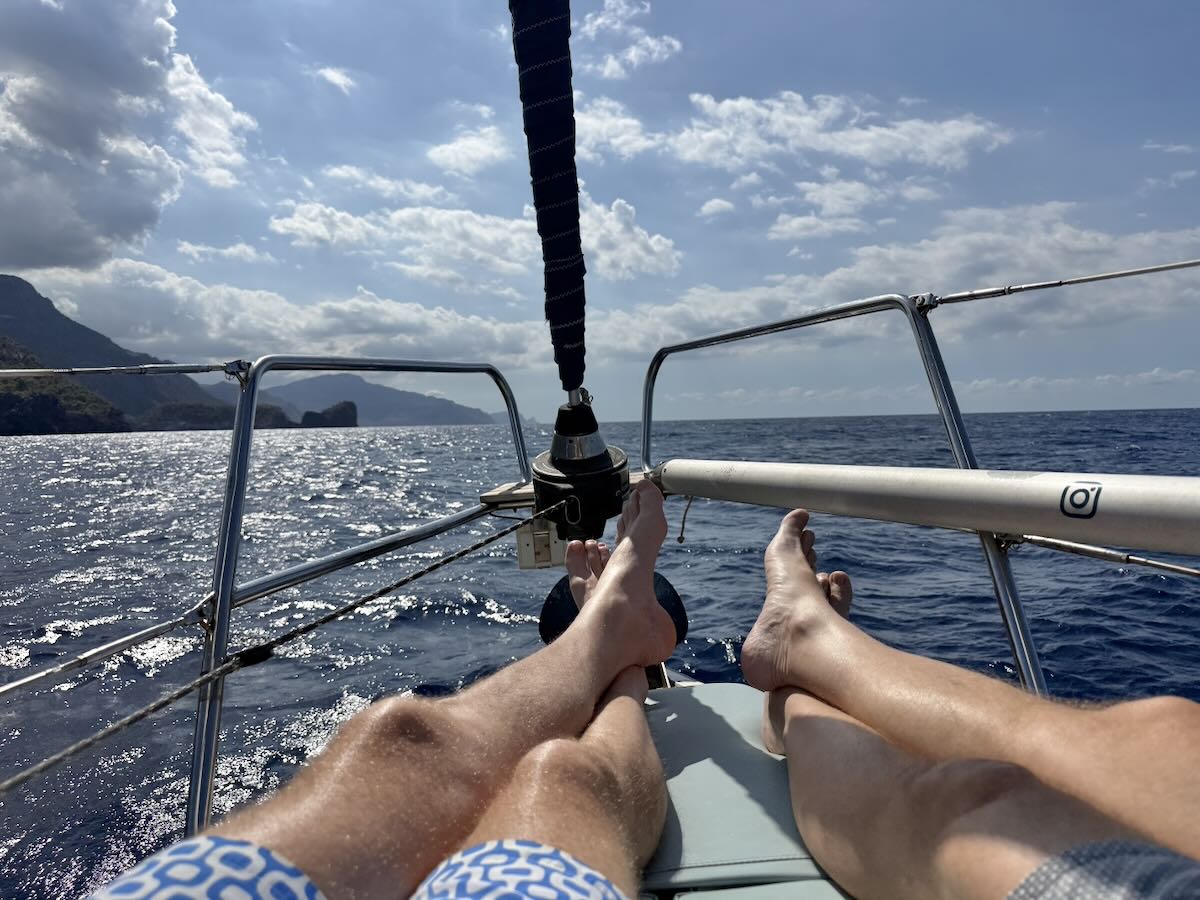
We moved on to the nearby town of Sóller, where the hiking part of our trip was to start the next day. First, however, we took the tram down to the Port de Sóller to meet Álvaro, captain of the 33-foot sailboat we had chartered. Even factoring in the 25% discount for booking directly (vs. TripAdvisor), the excursion was economically inefficient for just two people. But to visit the gorgeous Mediterranean and not to get out on—and into—the water seemed absurd.
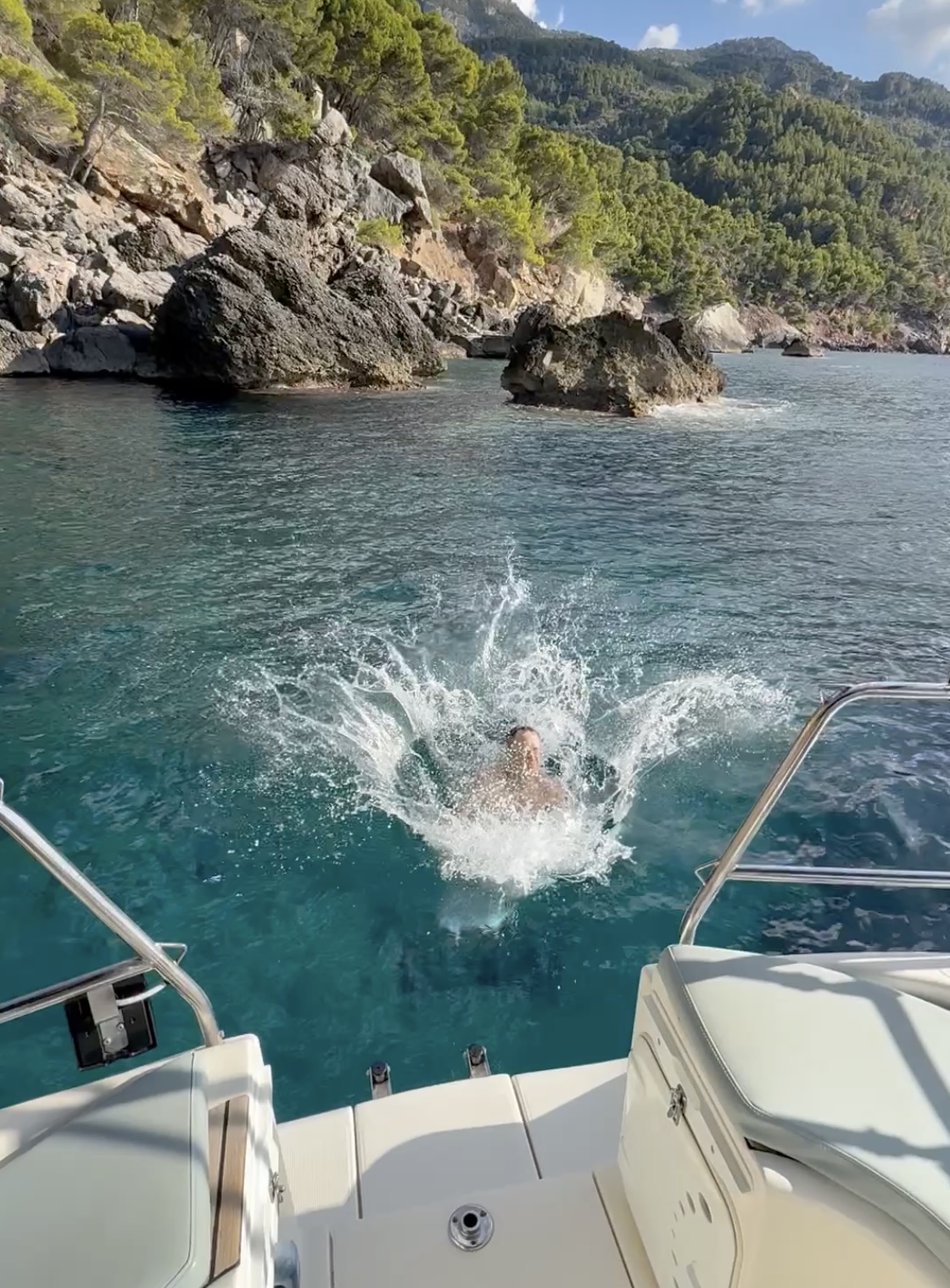
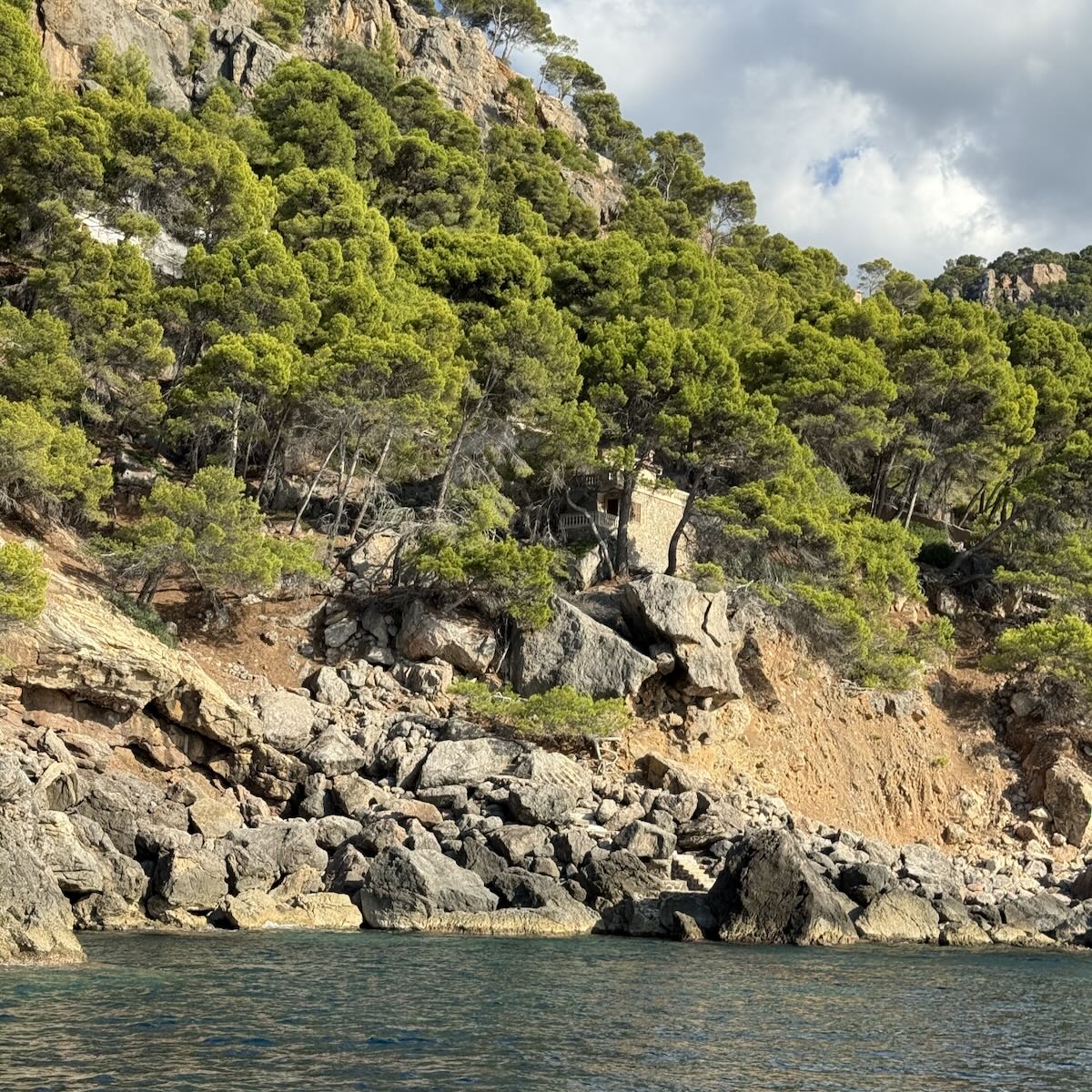
 Someday I’m going to rent a house with steps down to the shore.
 The hiking trip—a seven-night, self-guided tour organized by Ryder-Walker, the company we had used in the Dolomites—proved to be an ideal way to see Mallorca, because we were on the trails when everybody else was clogging up the roads and towns. Ryder-Walker booked the hotels and transfers and supplied an itinerary and an app filled with info (including an interactive map). Unlike in the Dolomites, where we hiked from hotel to hotel, this trip is mainly about setting up camp in a town and doing hikes in the area. While that’s less romantic than making your way across a region, it also involves less unpacking and repacking.
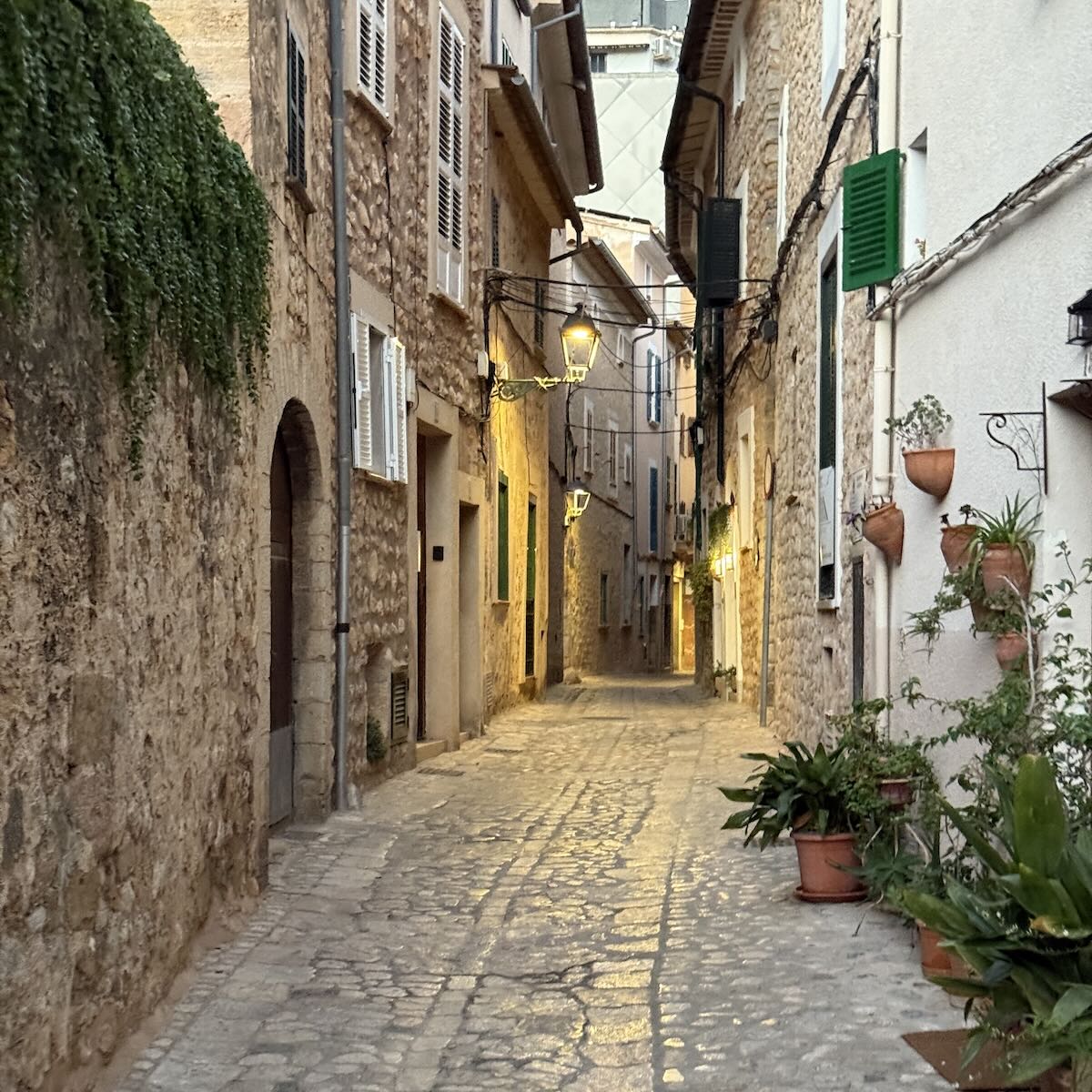
Sóller has old Mallorcan charm, but also feels like a real place, and the (other) tourists were only oppressive in the main plaza at midday. And the best meal we had on the island was straightforward Italian at the very homey Ca’n Llimona.
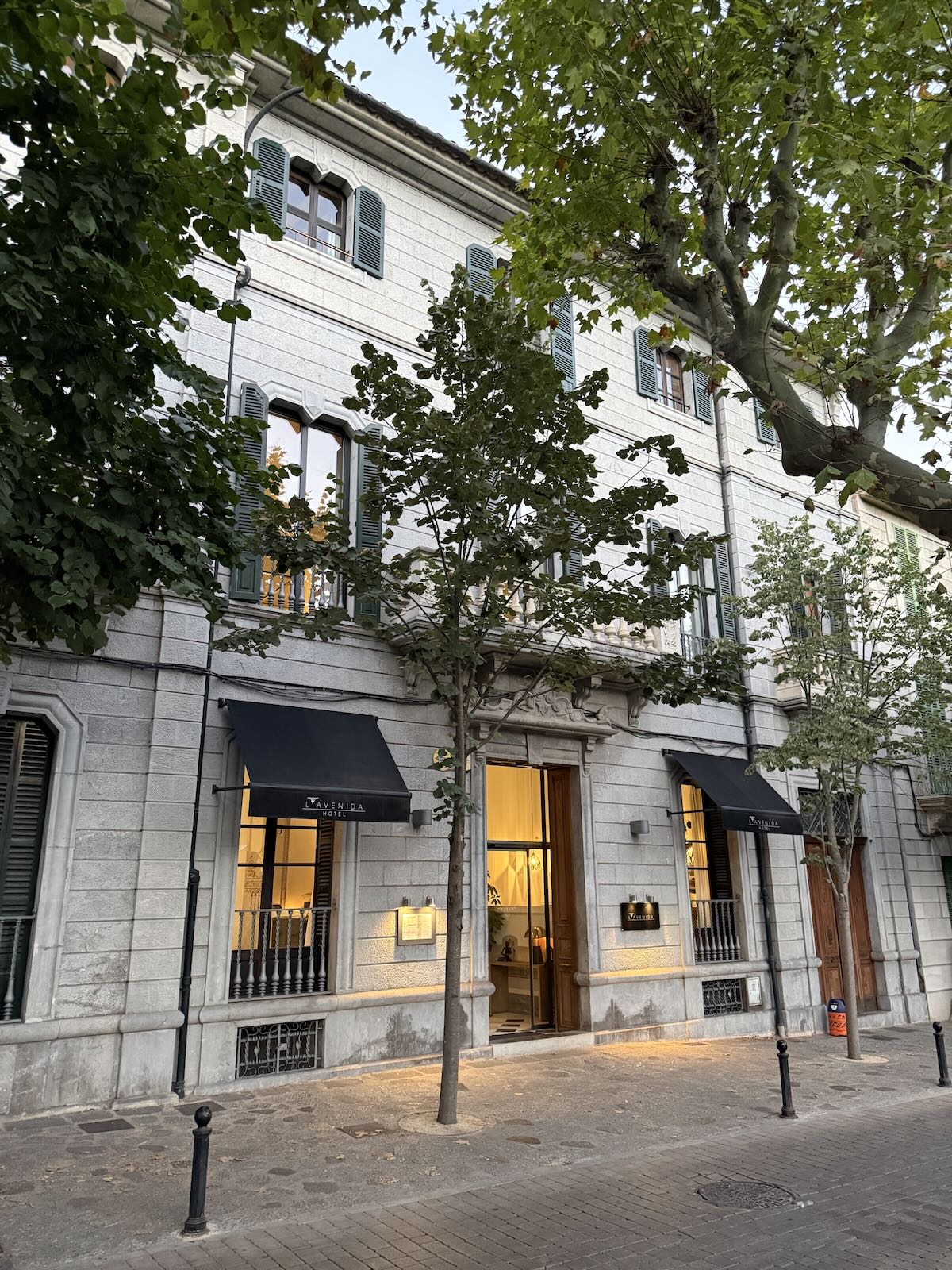
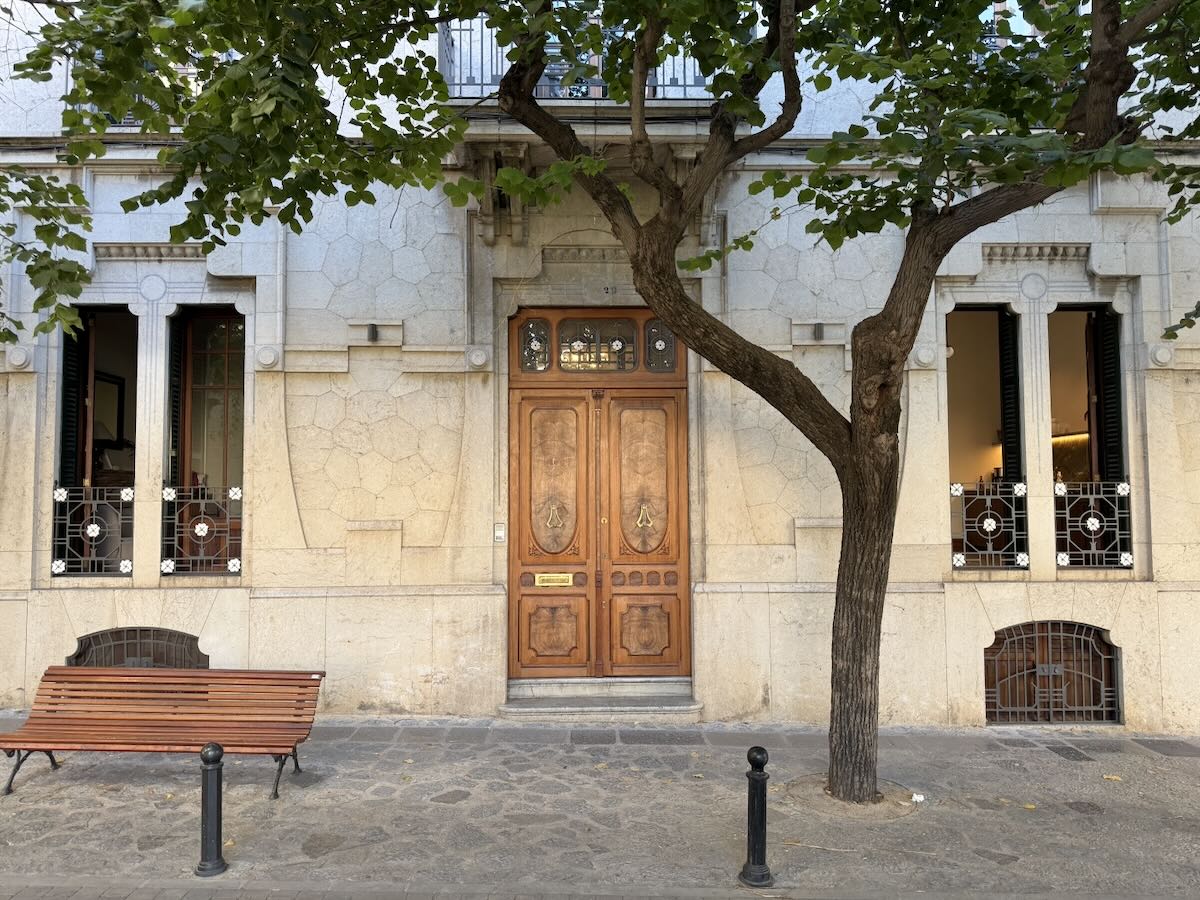 We stayed three nights at the adults-only L’Avenida hotel and quite liked it, due in no small part to the spacious room and the helpful staff. Nescafé instant coffee in the room was a disappointment, but by this point, we had realized that Mallorca isn’t especially interested in coffee.
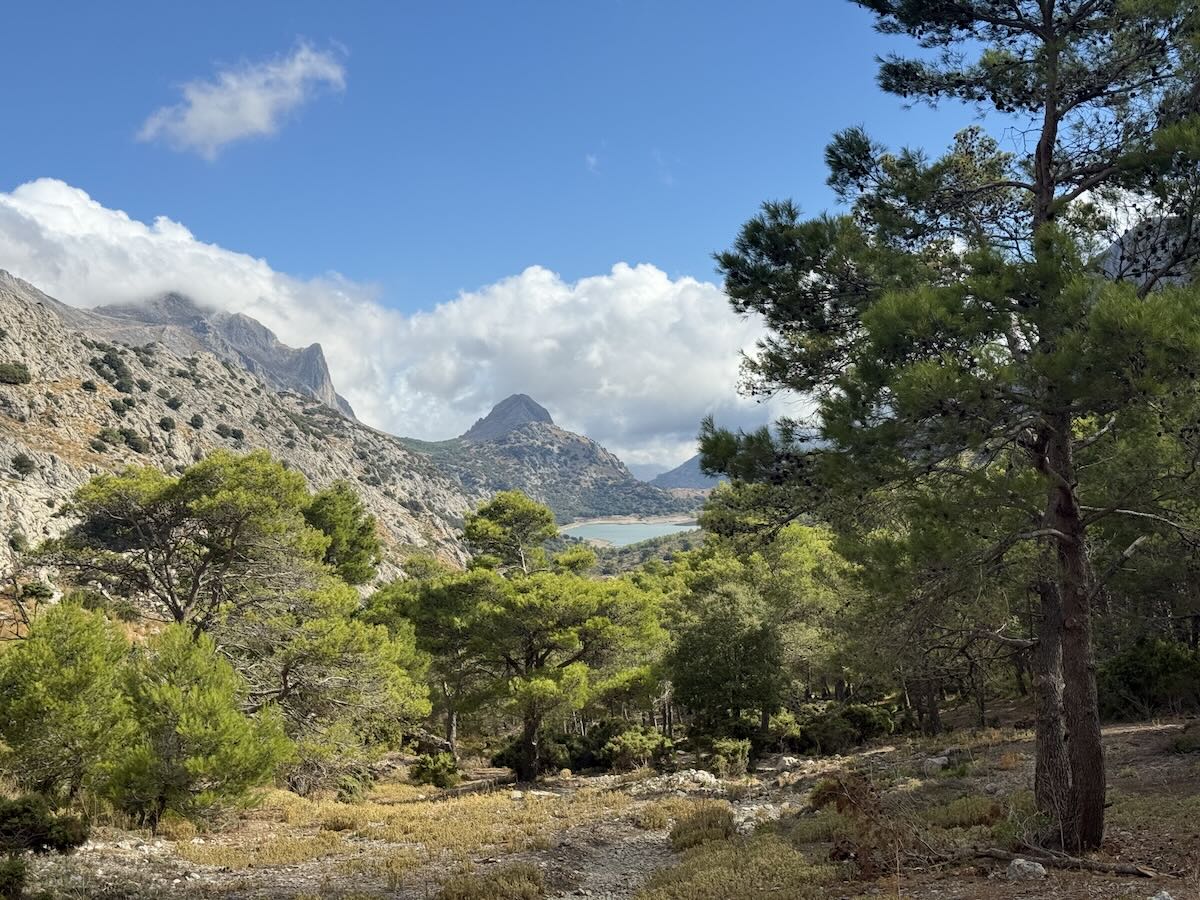
 The Serra de Tramuntana mountain range extends along the northwest of the island, with dramatic peaks and terraced slopes lined with olive trees. The hikes that Ryder-Walker chose are five to seven miles, typically with around 2,000 feet of both elevation gain and loss (although the last two tapered down to 1,300). Unlike with the Dolomites itinerary, the company does not offer alternate options for less ambitious hikers.
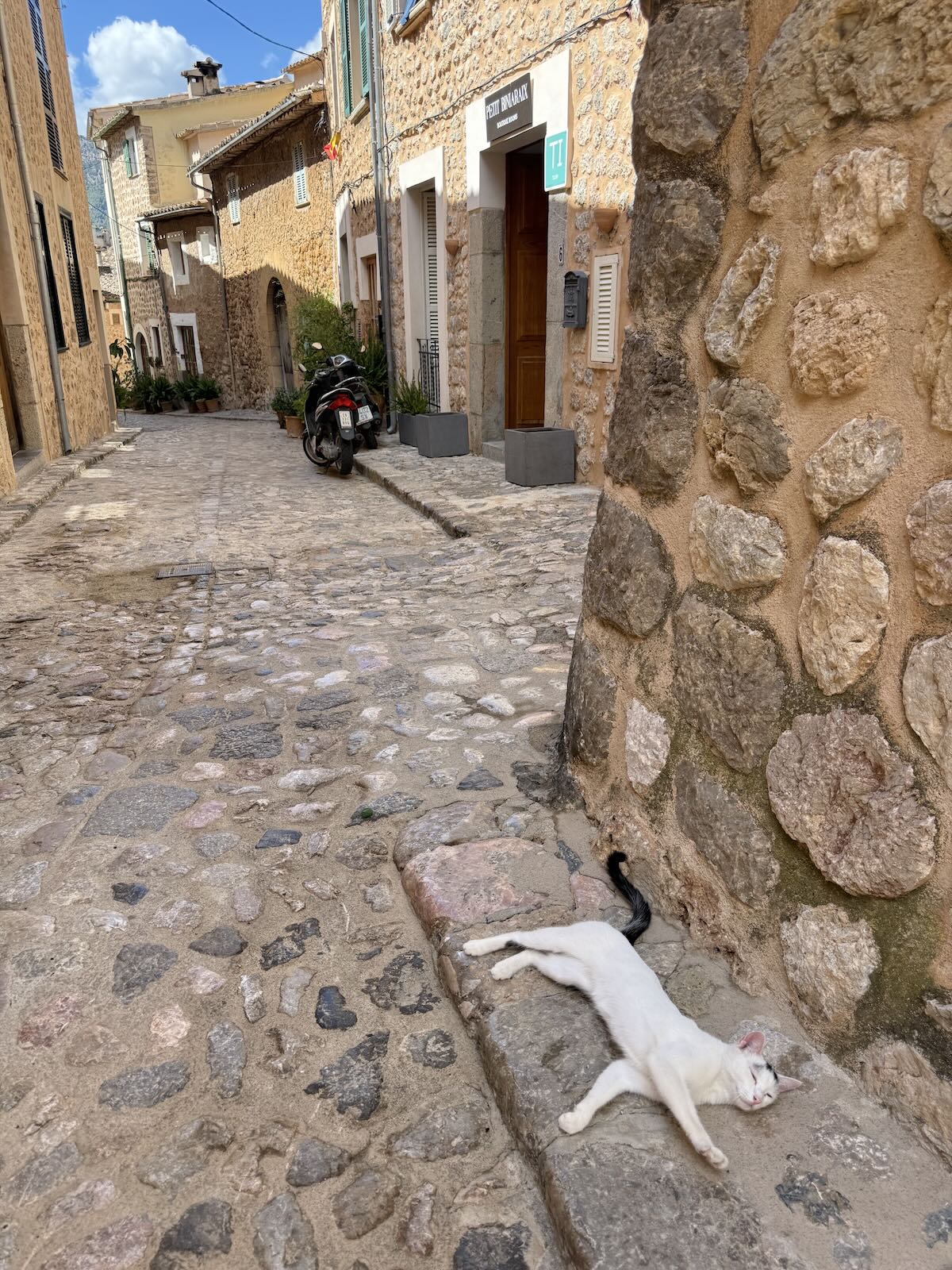
The first hike was clearly meant as a warm-up: a taxi took us from Sóller up to the Cúber reservoir, and we walked back down to Sóller, via the adorable village of Biniarraix. The trails are typically paved with stones, which is picturesque but often difficult to walk on. We felt like cheaters whenever we encountered people hiking up, but whatever.
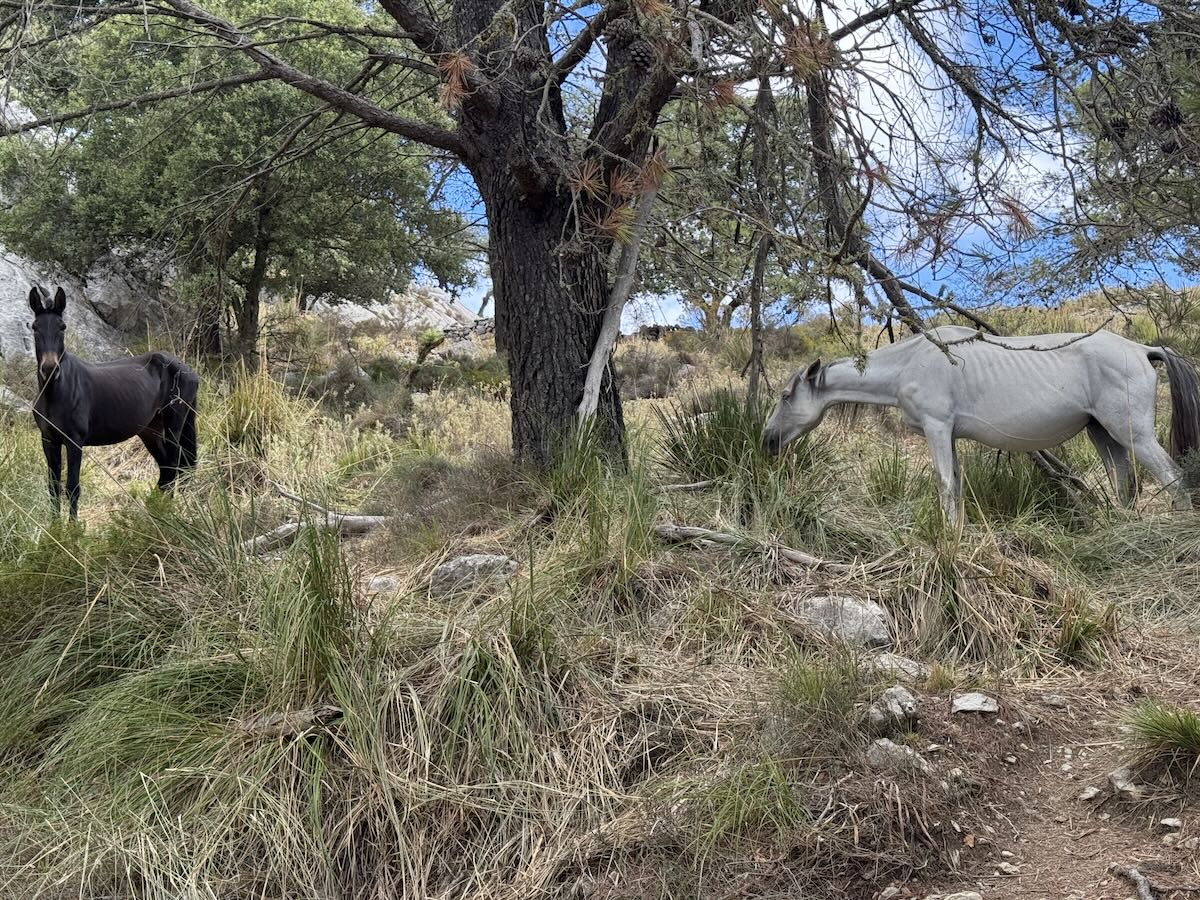
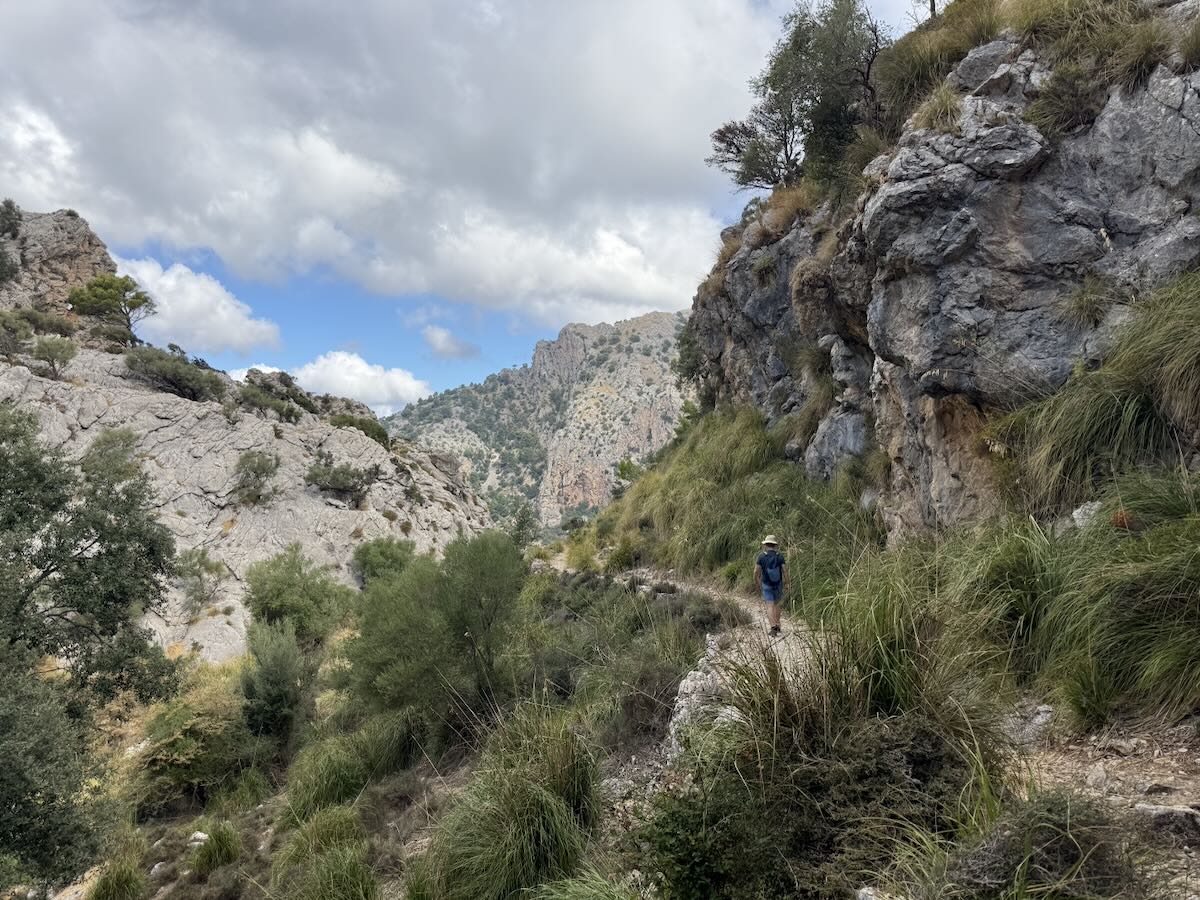
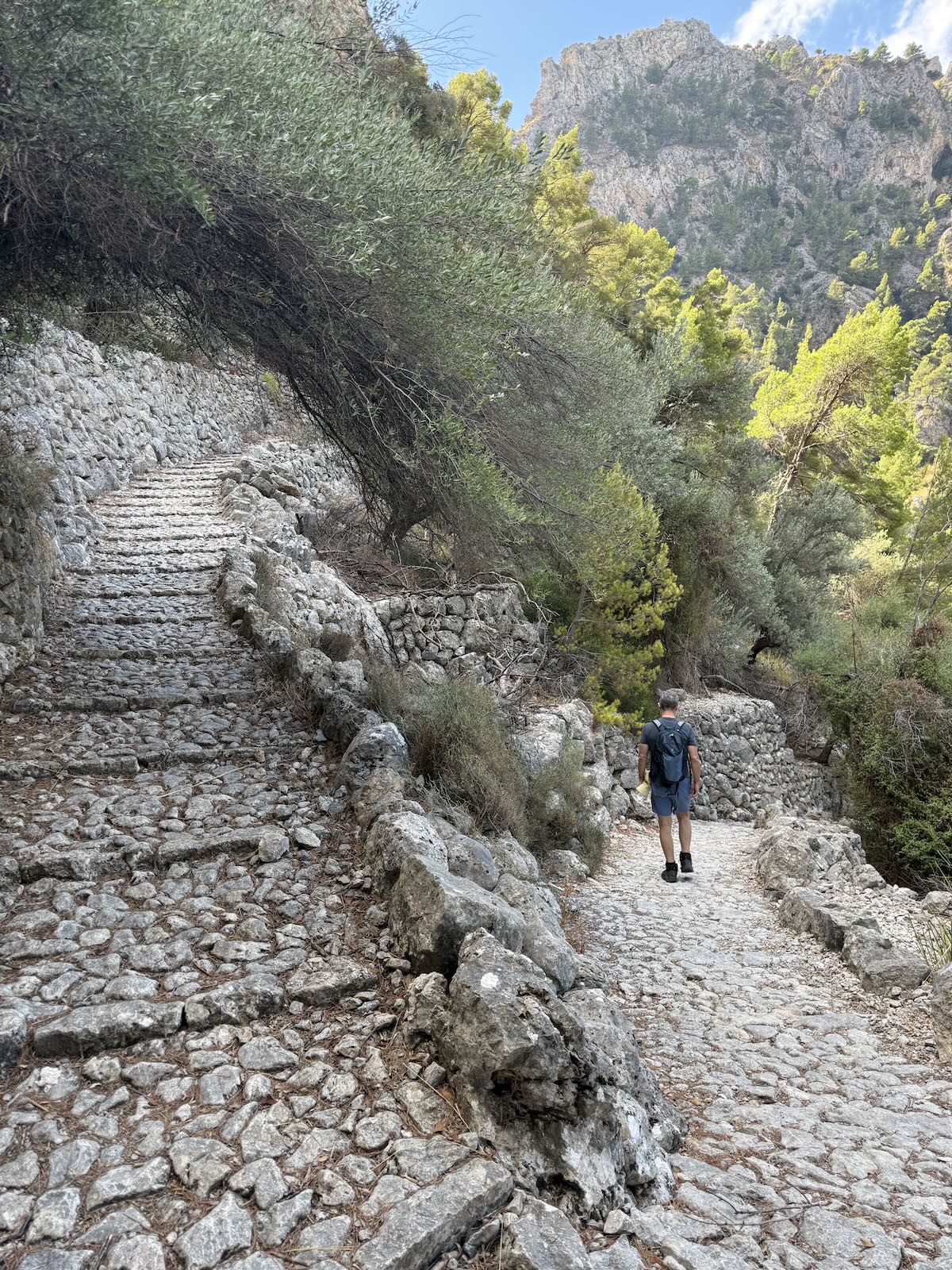
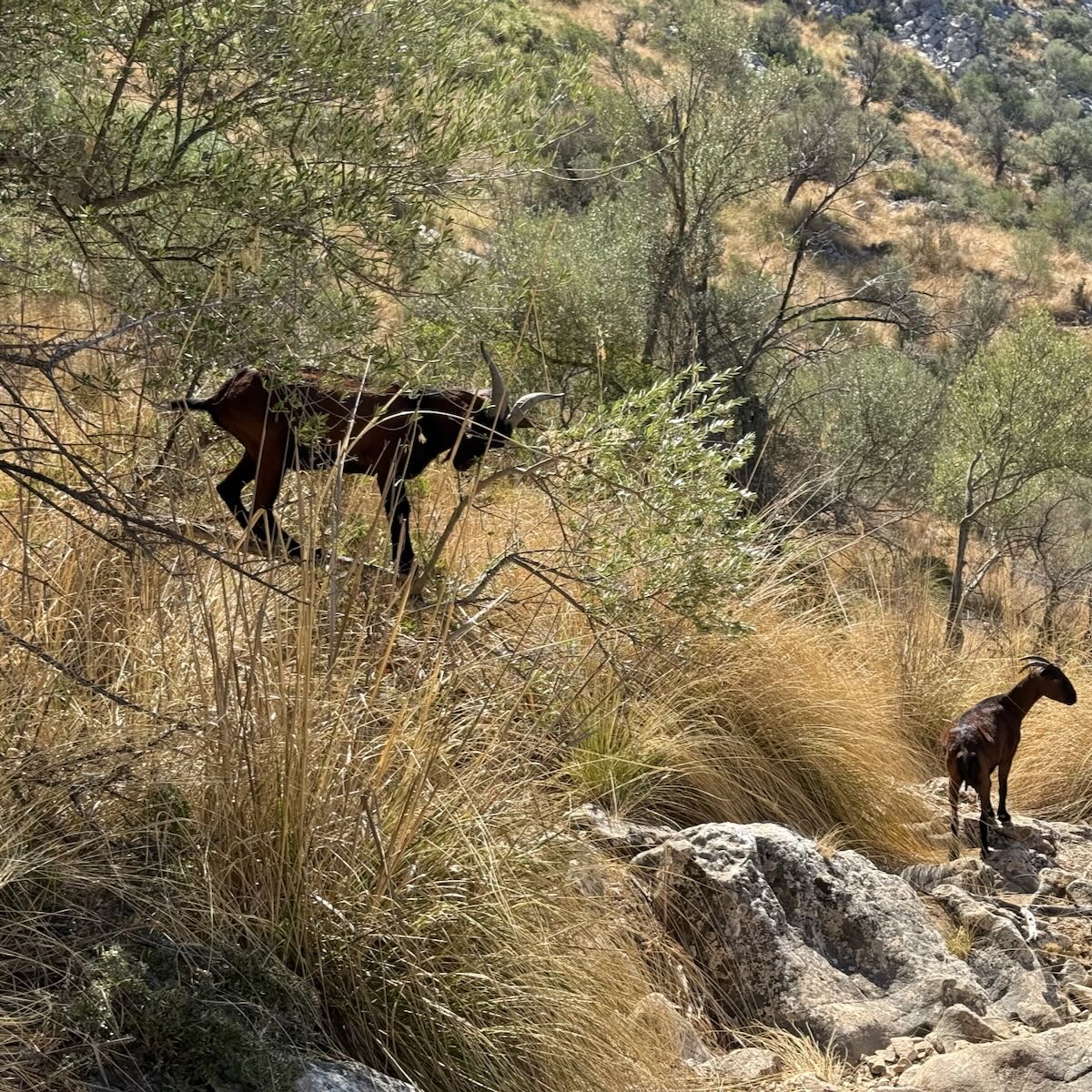
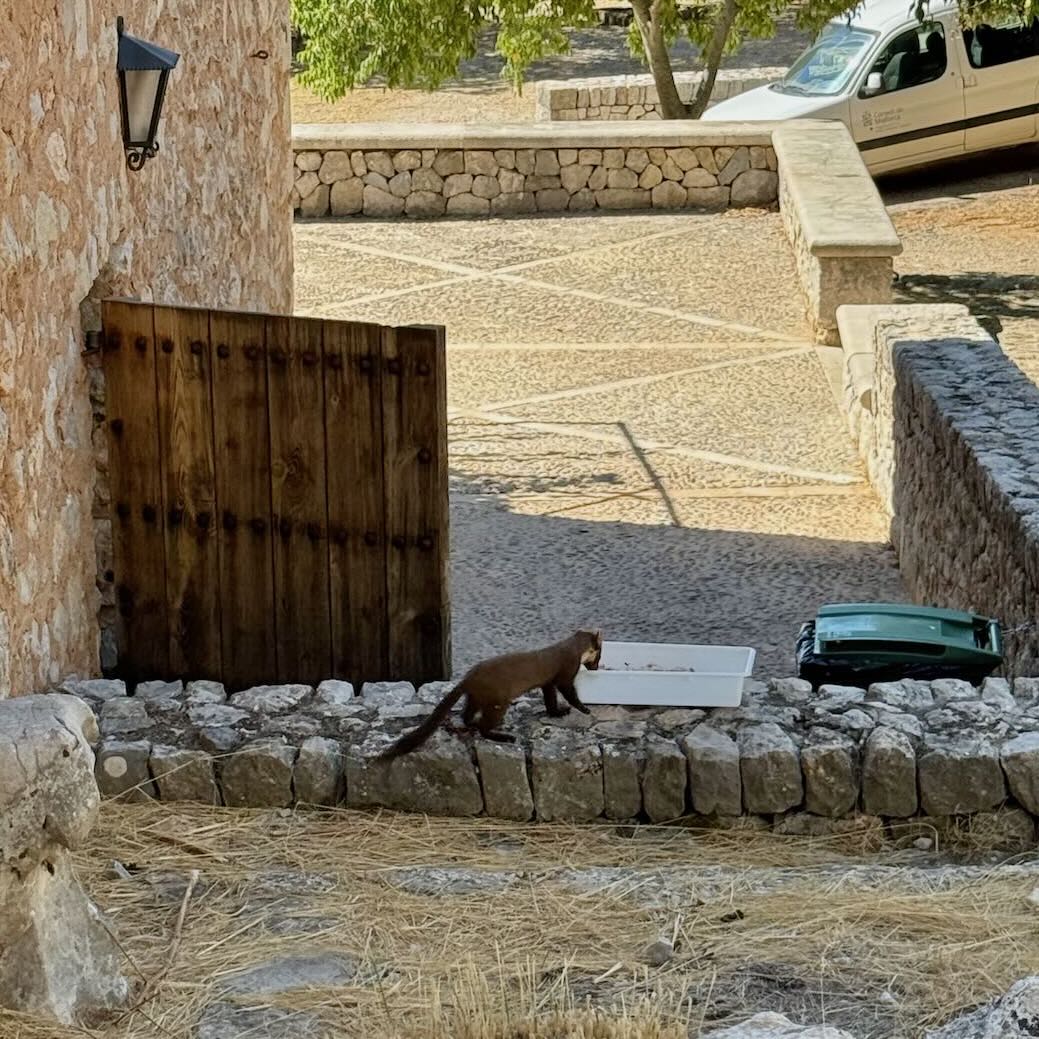
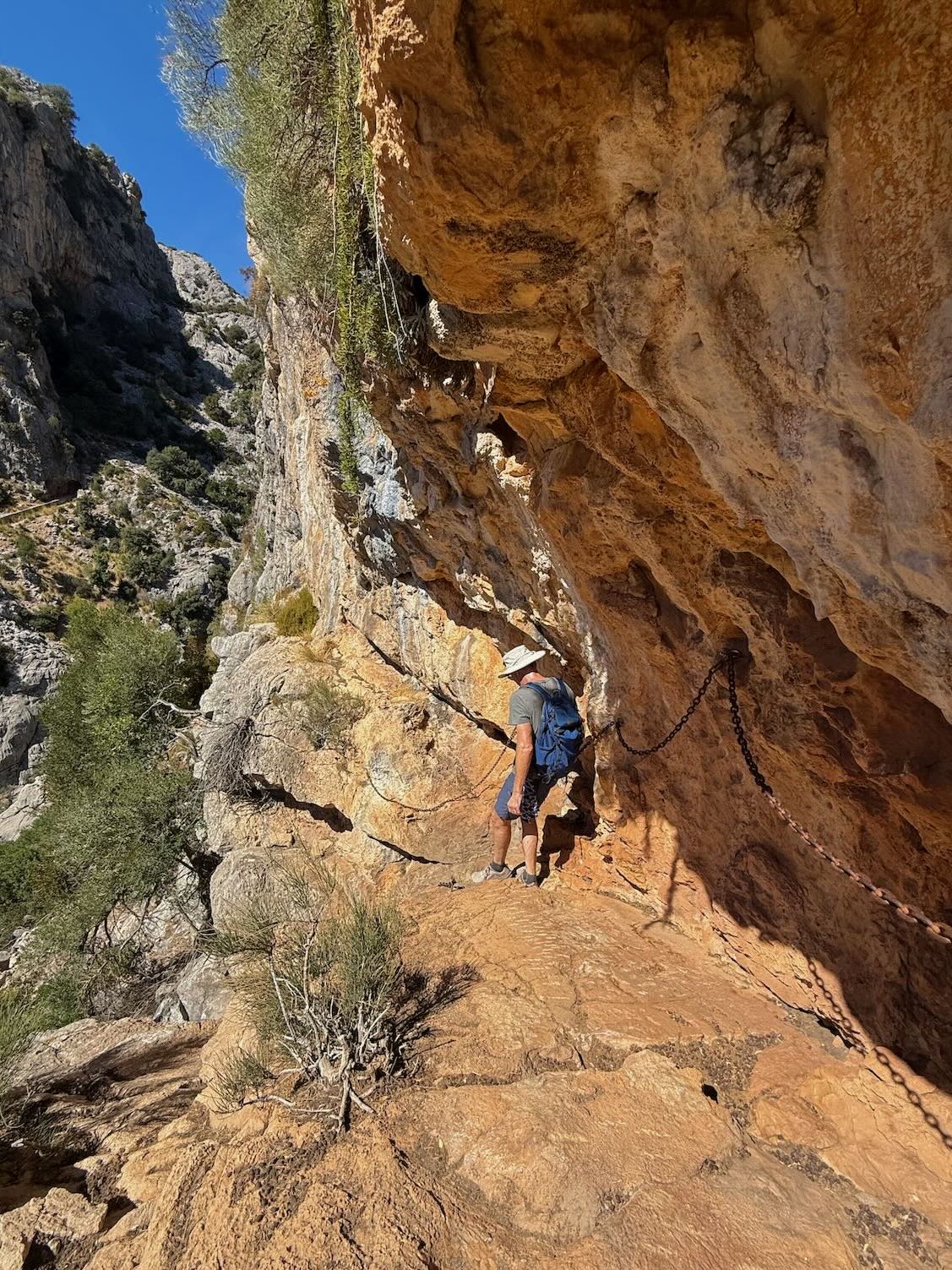
 To beat the heat, we frequently skipped breakfast and got an early start. But we made a critical error on day two, doing the loop—which once again started at the reservoir—in the wrong direction, resulting in a long, arduous ascent under the midday sun. Nonetheless, the hike was magnificent, with varied terrain, including a part with a helpful chain; tree-climbing goats; a refugi where you can stop for lunch (we were too early, but we did see what we think was a European pine marten eating scraps); and plenty of shady spots to rest. The most amusing moment happened early on, when Adam went off trail to pee, and a Japanese hiker followed him because he thought there was something to see.
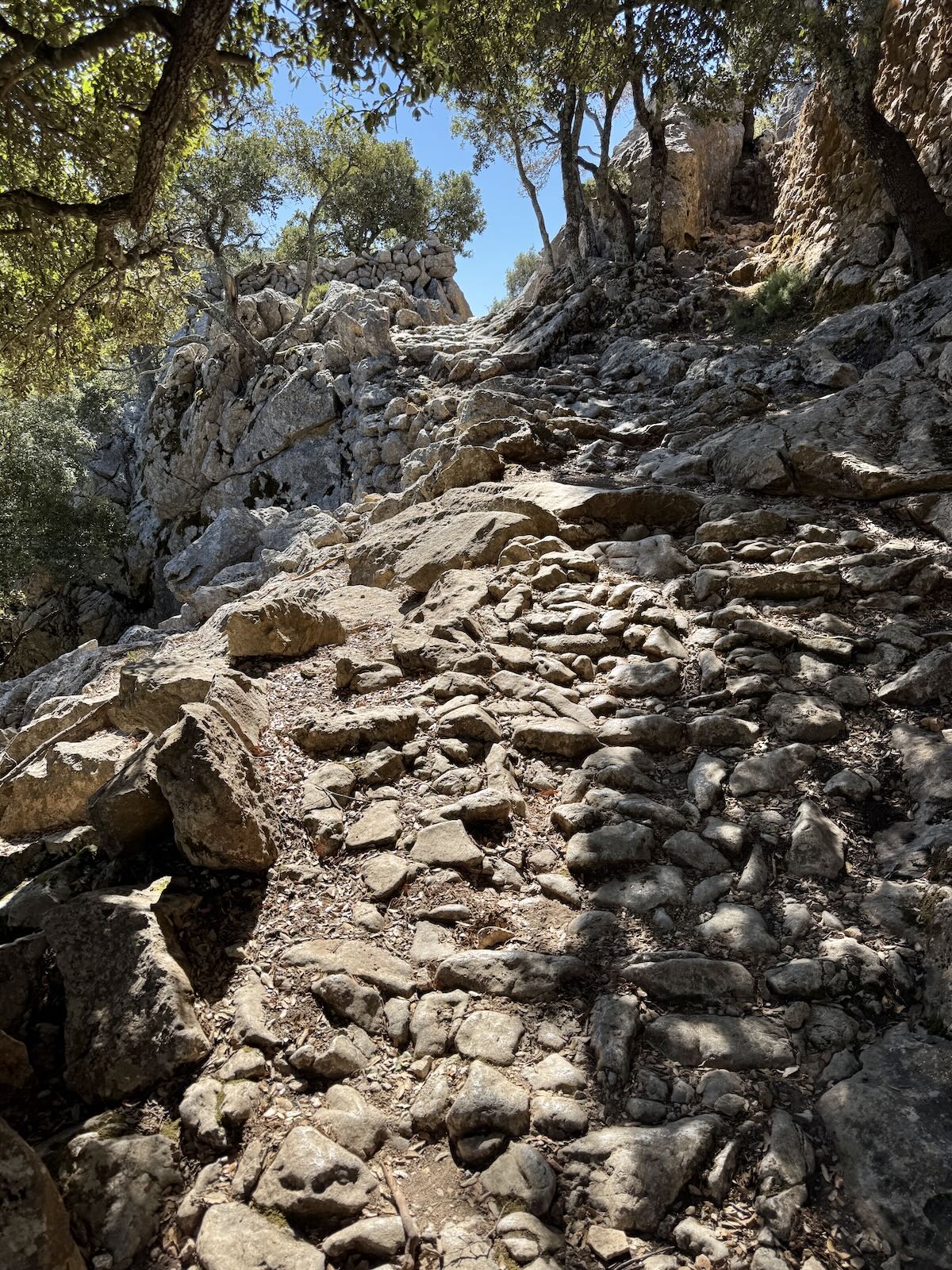
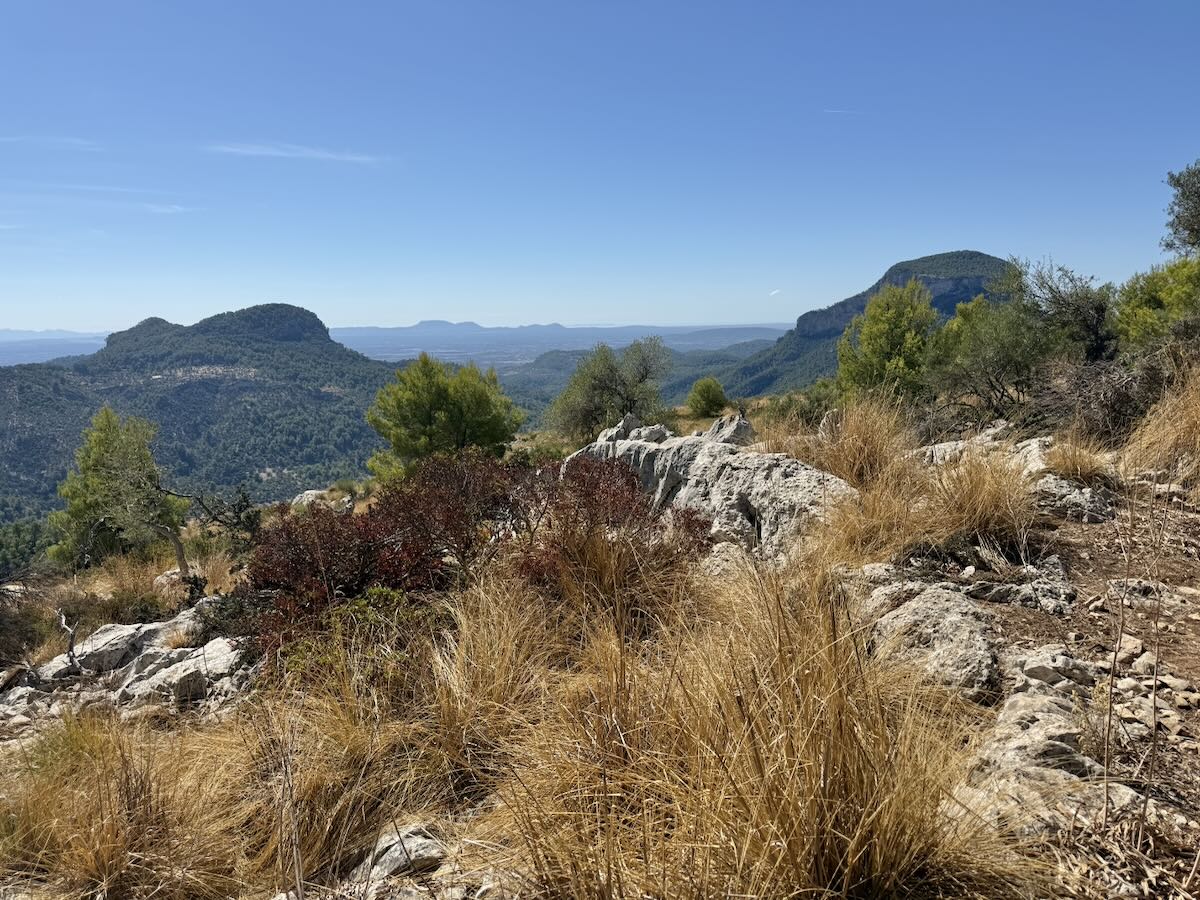
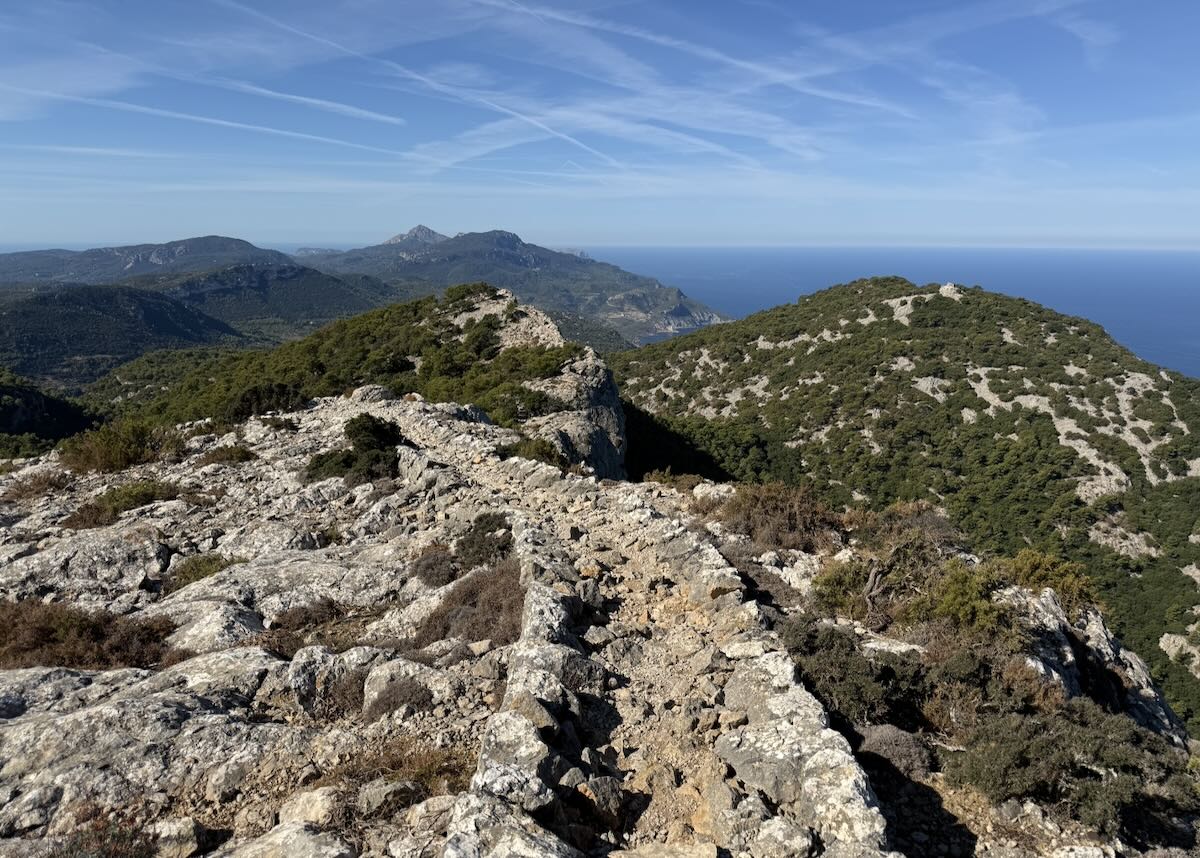
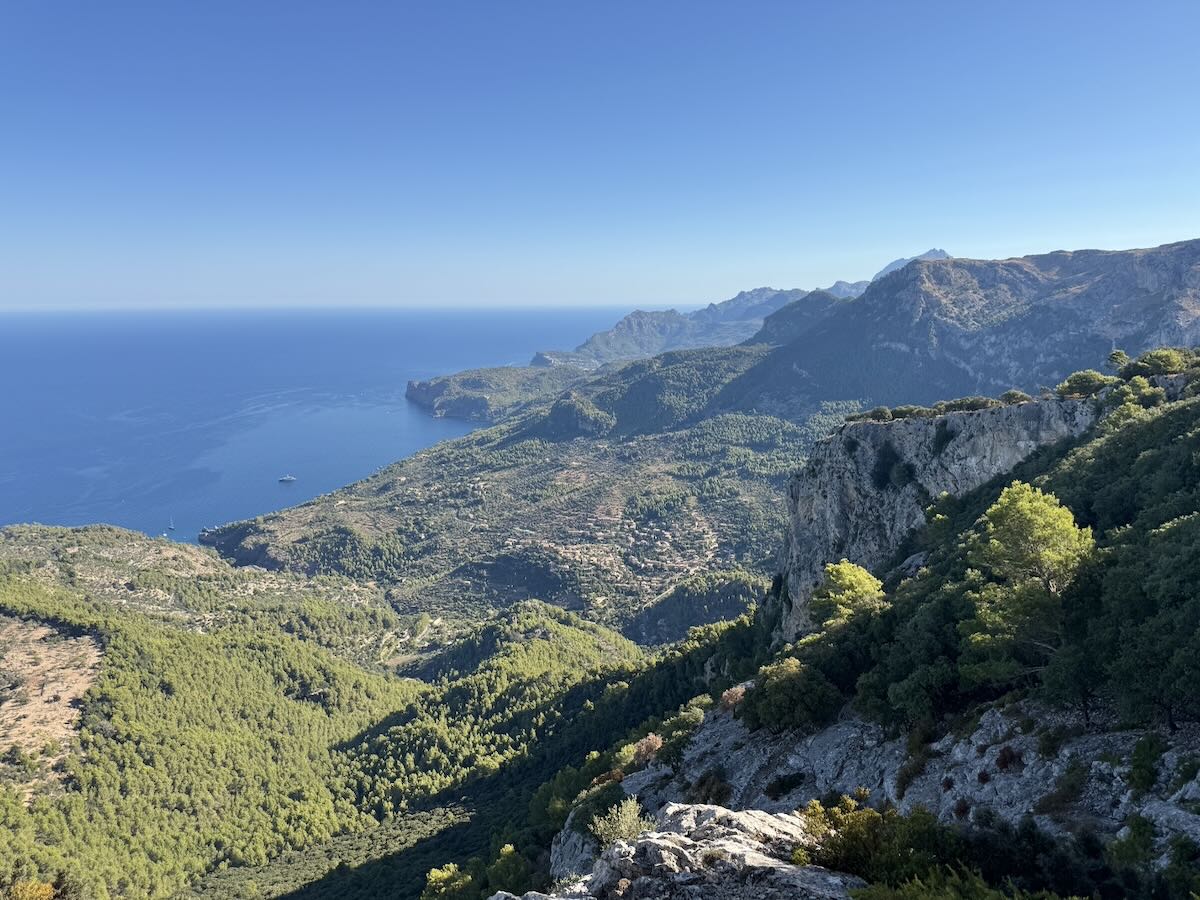
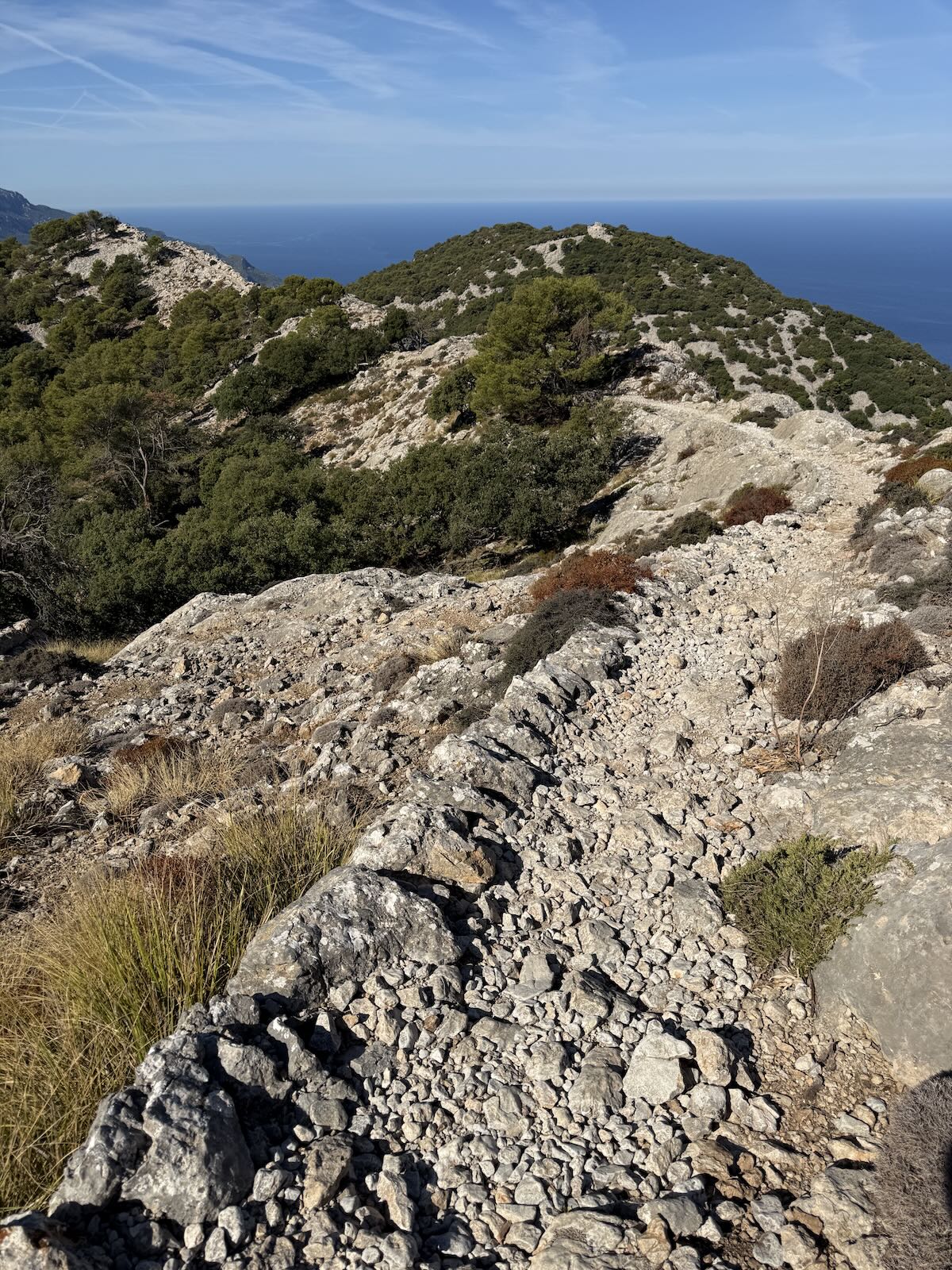
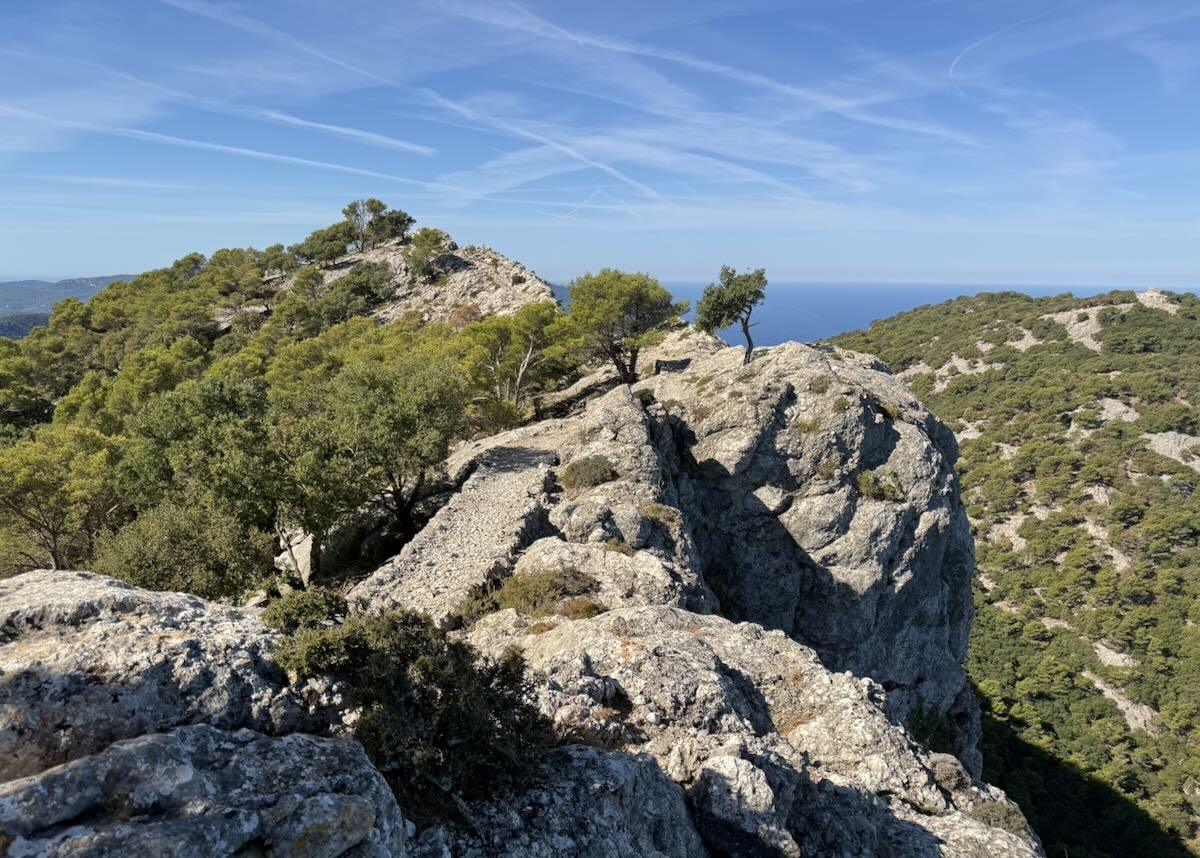
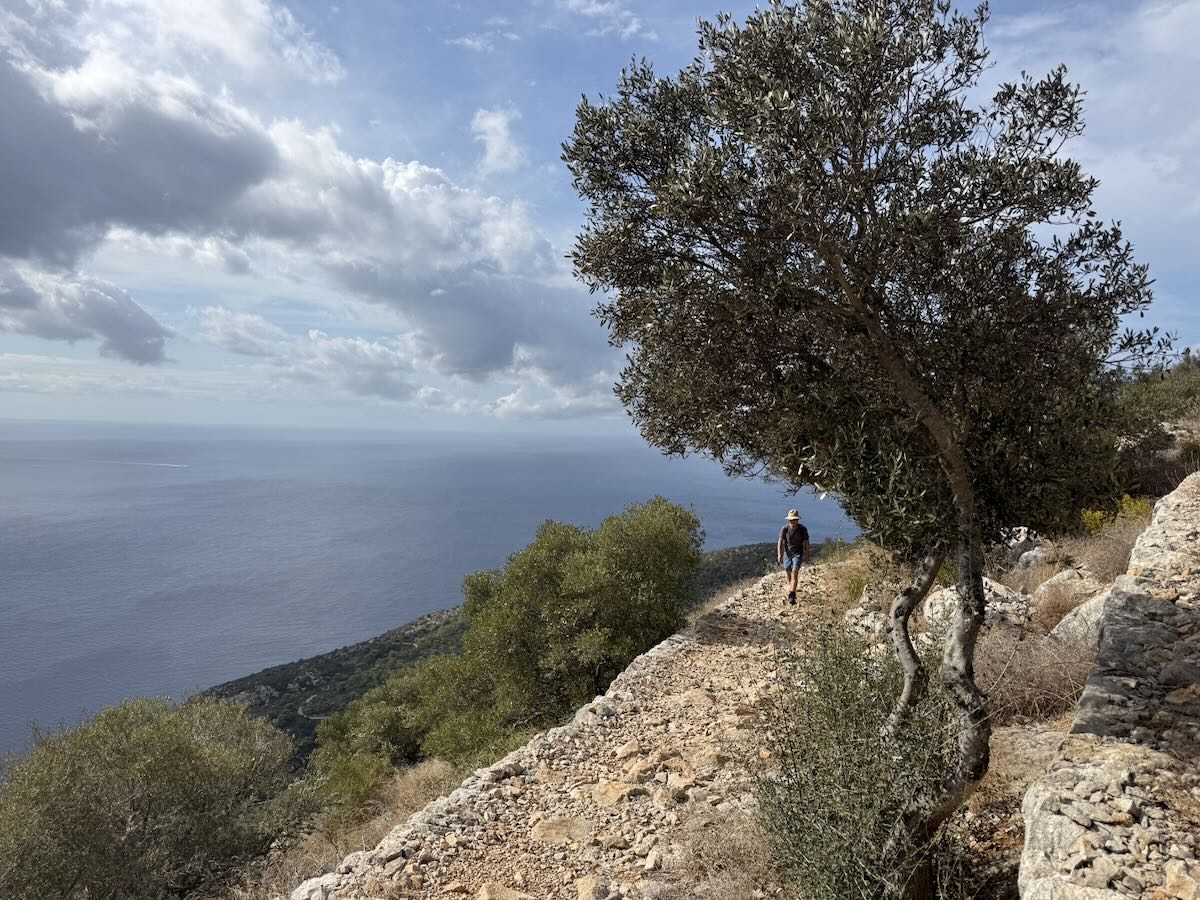
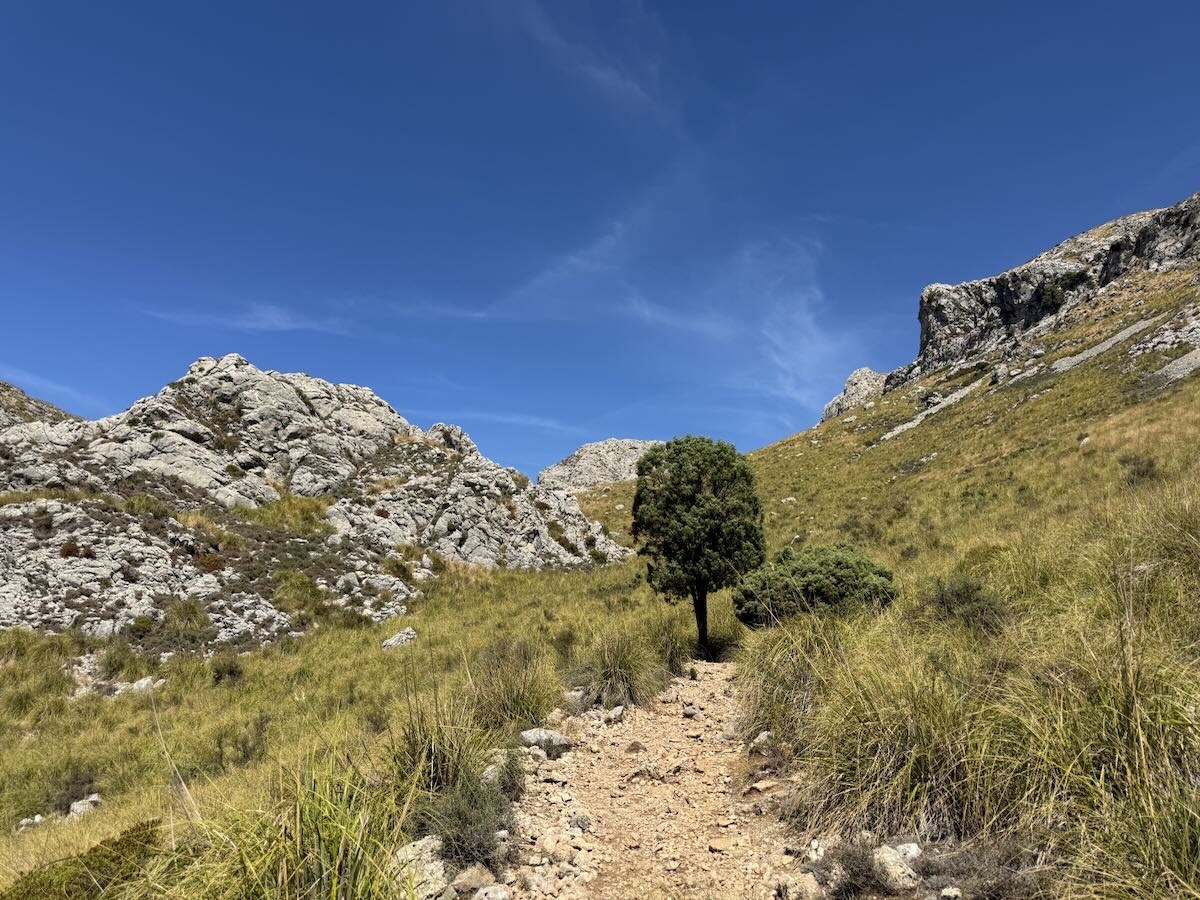 The trails are well-marked, and yet we still got slightly lost every now and then, which I prefer to spending the whole hike staring at the progress of the blue dot on the map. By day three, which started in Deià (via taxi) and ended in the town of Valldemossa, we understood the pattern: up through woodland to a craggy summit zone, and then back down through woodland. The views at the top of this leg were unbelievable. We have Archduke Ludwig Salvator of Austria to thank: he built the trail—well, he had the trail built—in the late 19th century so he could go horseback riding there. What you can’t see is the intoxicating smell of pine.
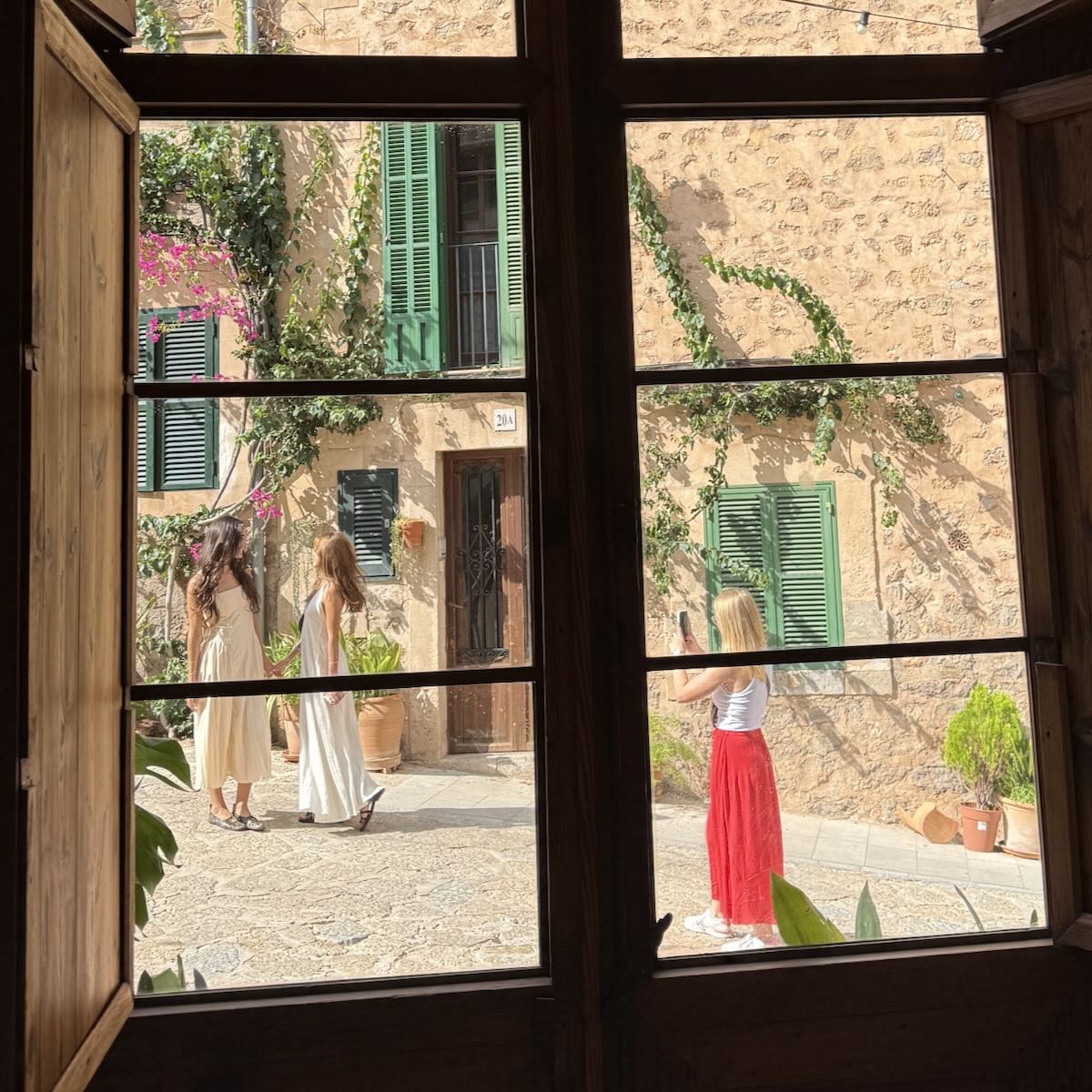
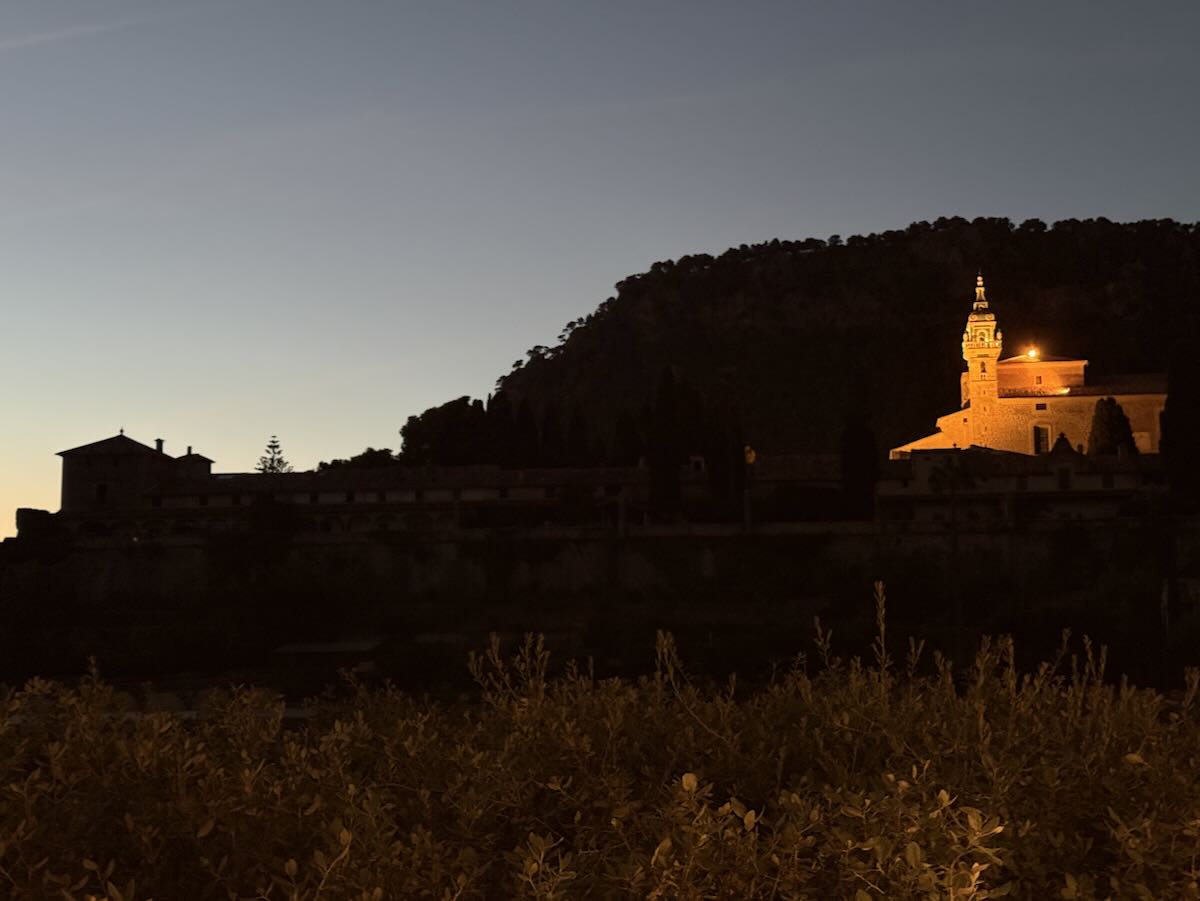
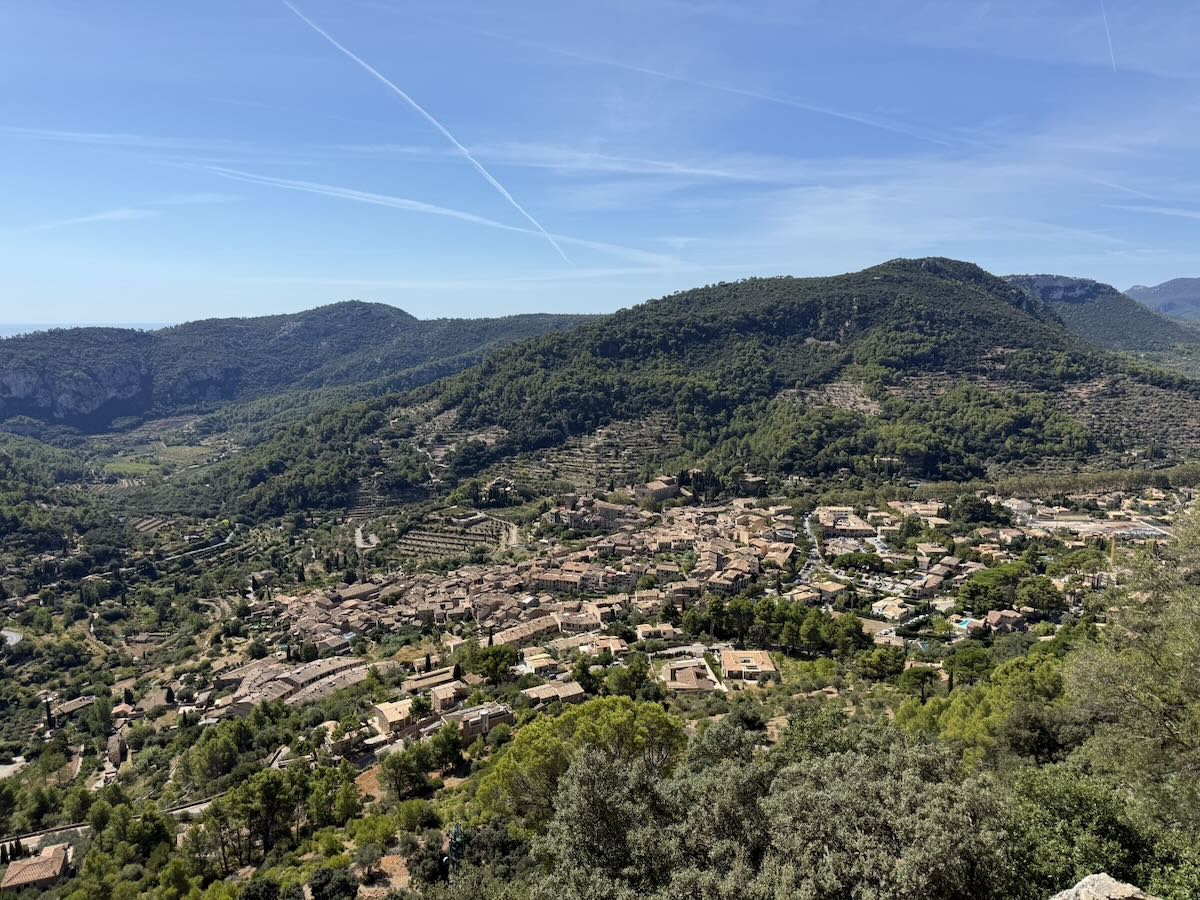 Just like Deià, Valldemossa is lovely in the morning and evening.
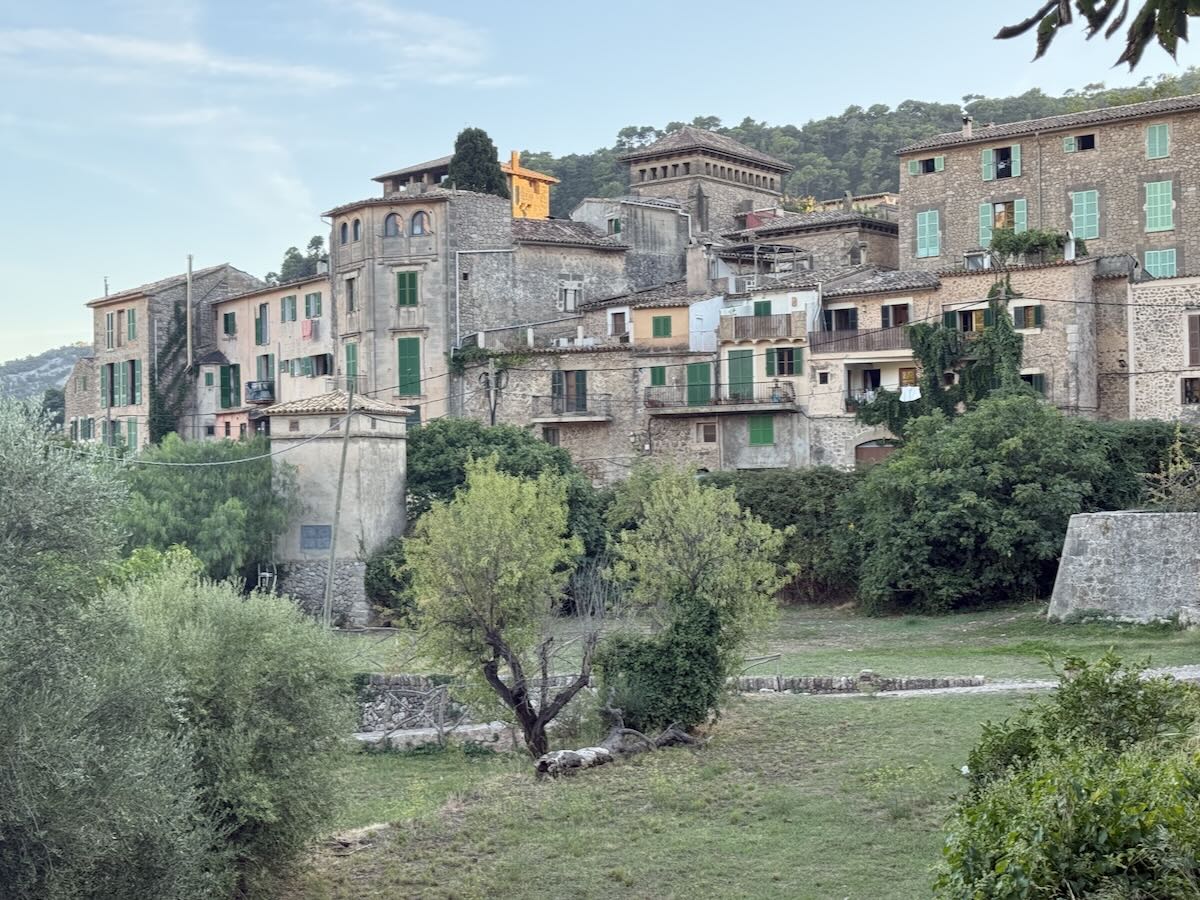
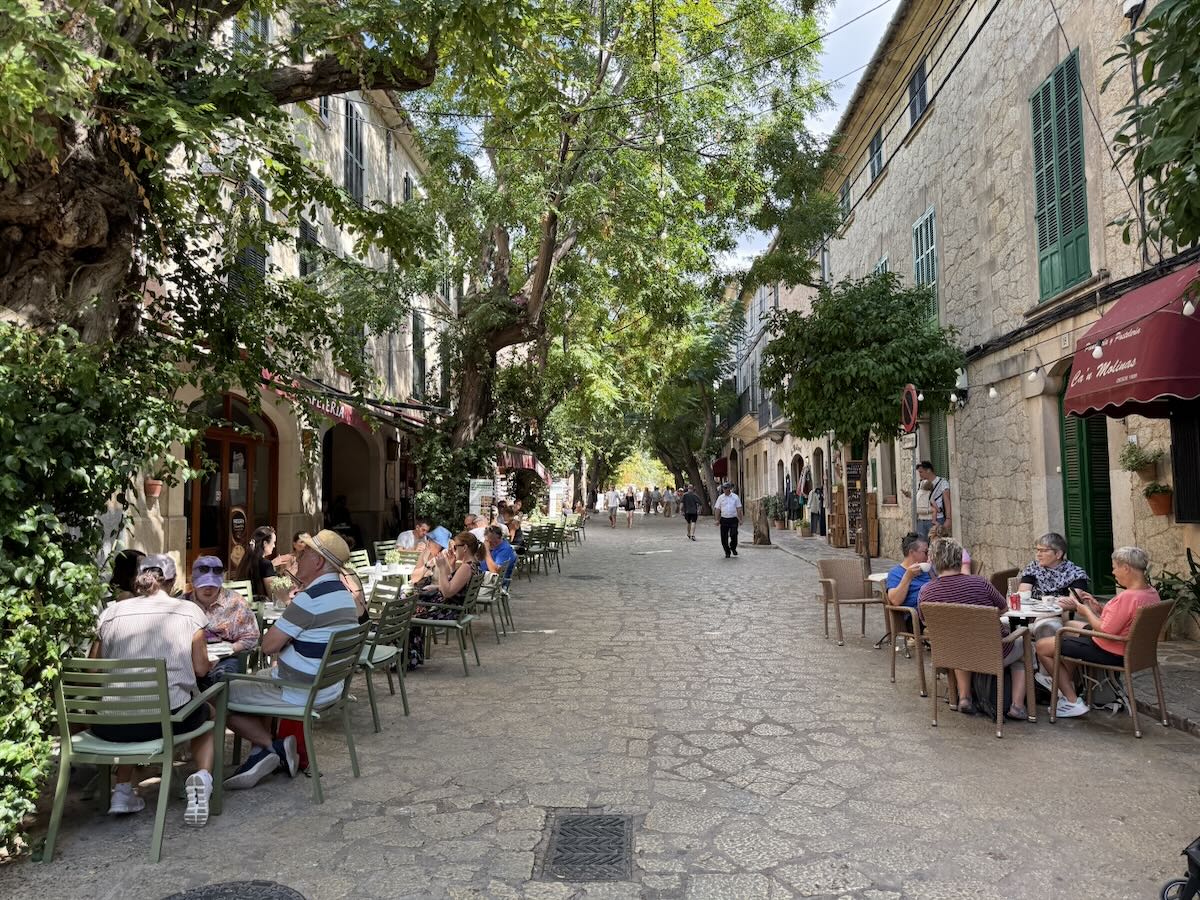
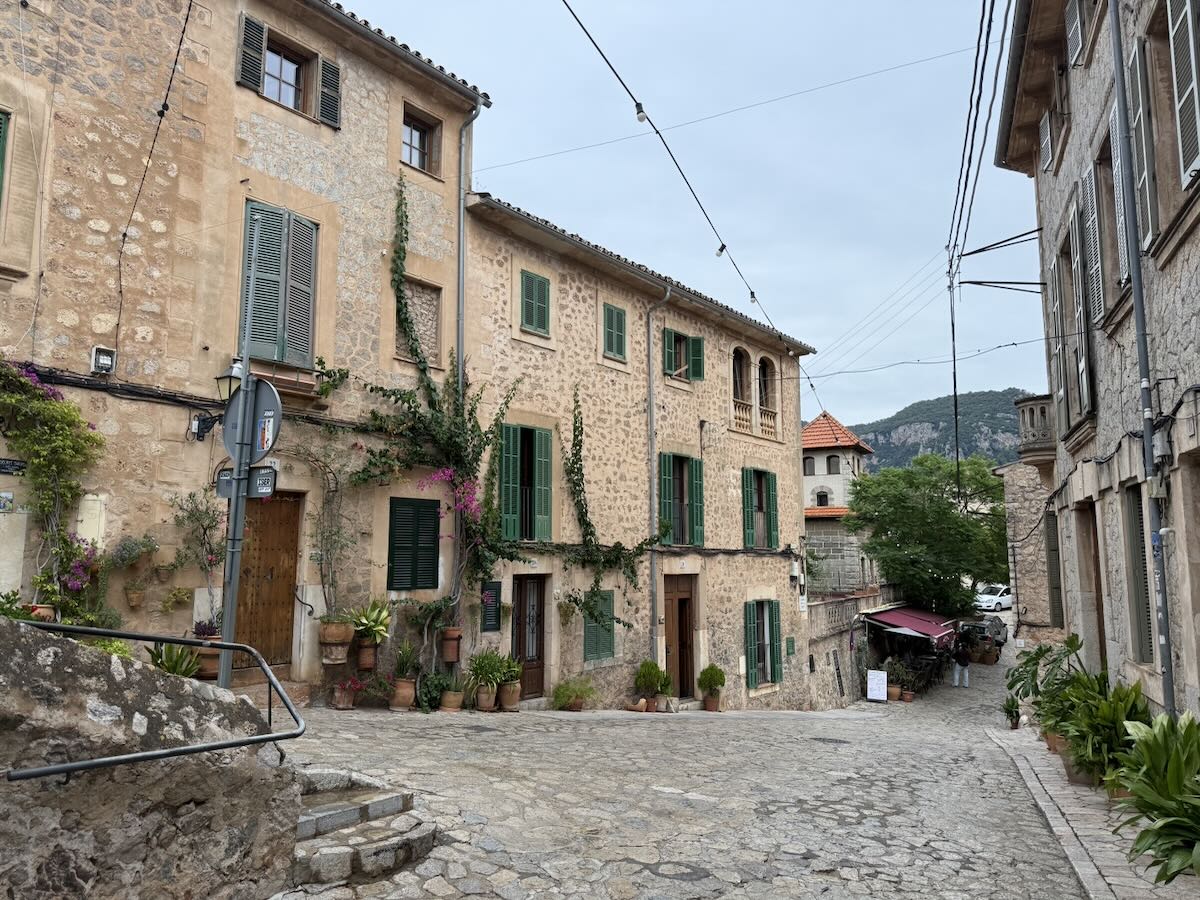 It has some really neat buildings. I don’t know how livable the first one is, but who cares?
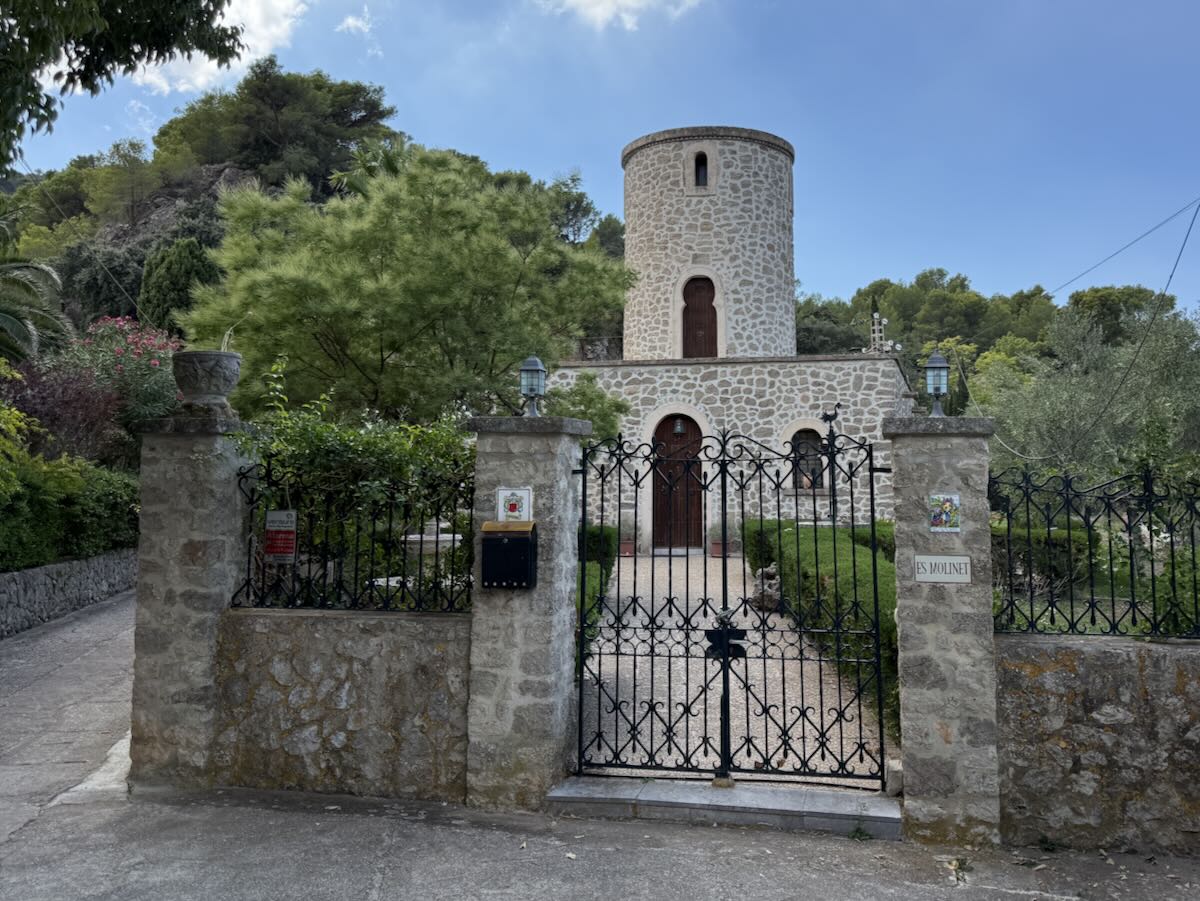
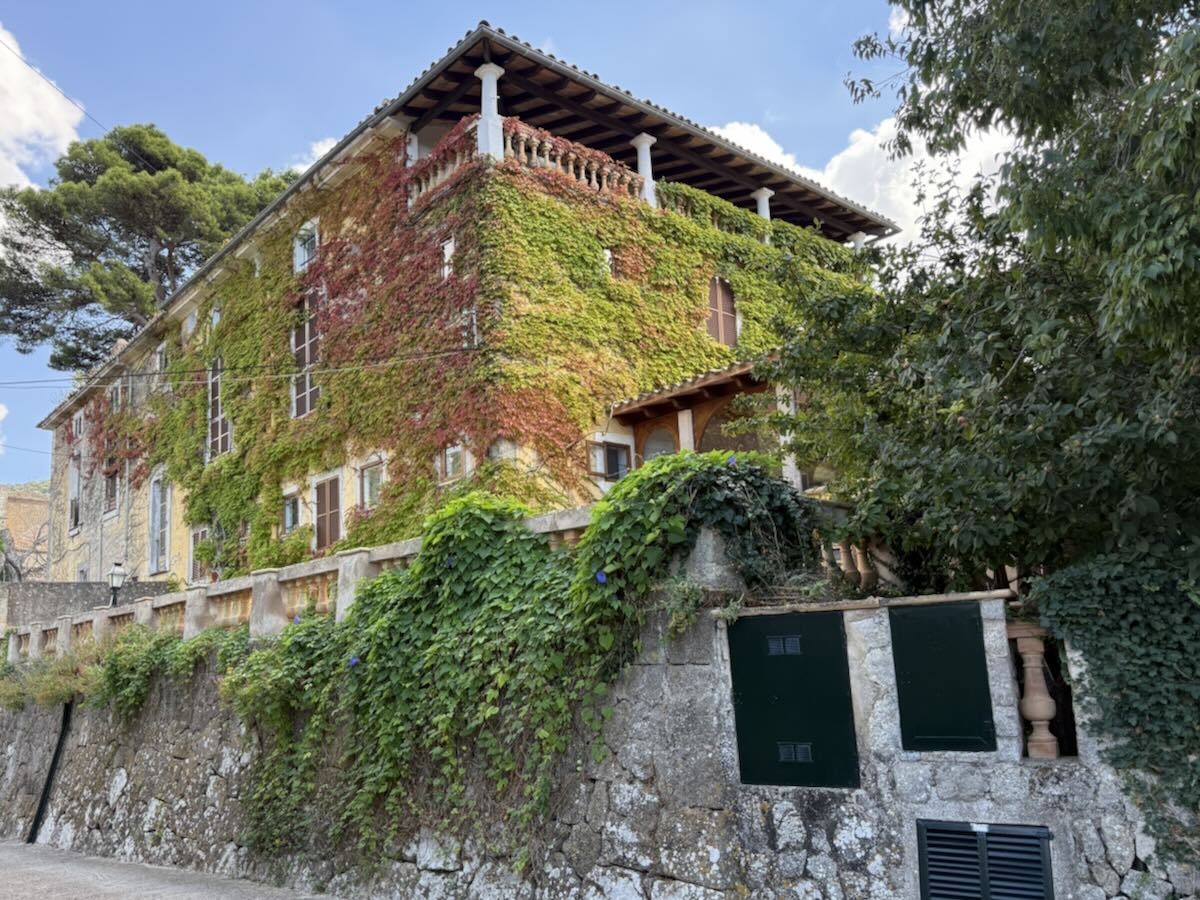
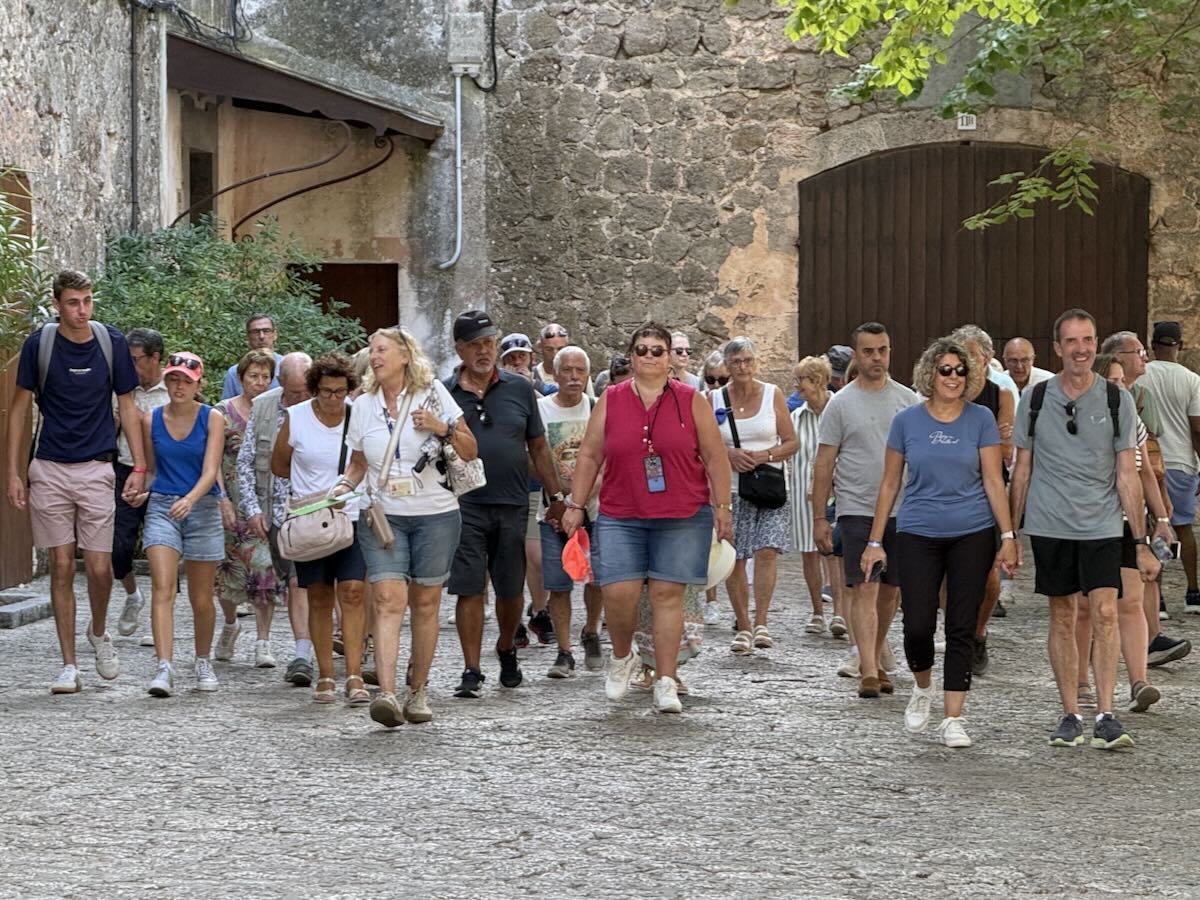
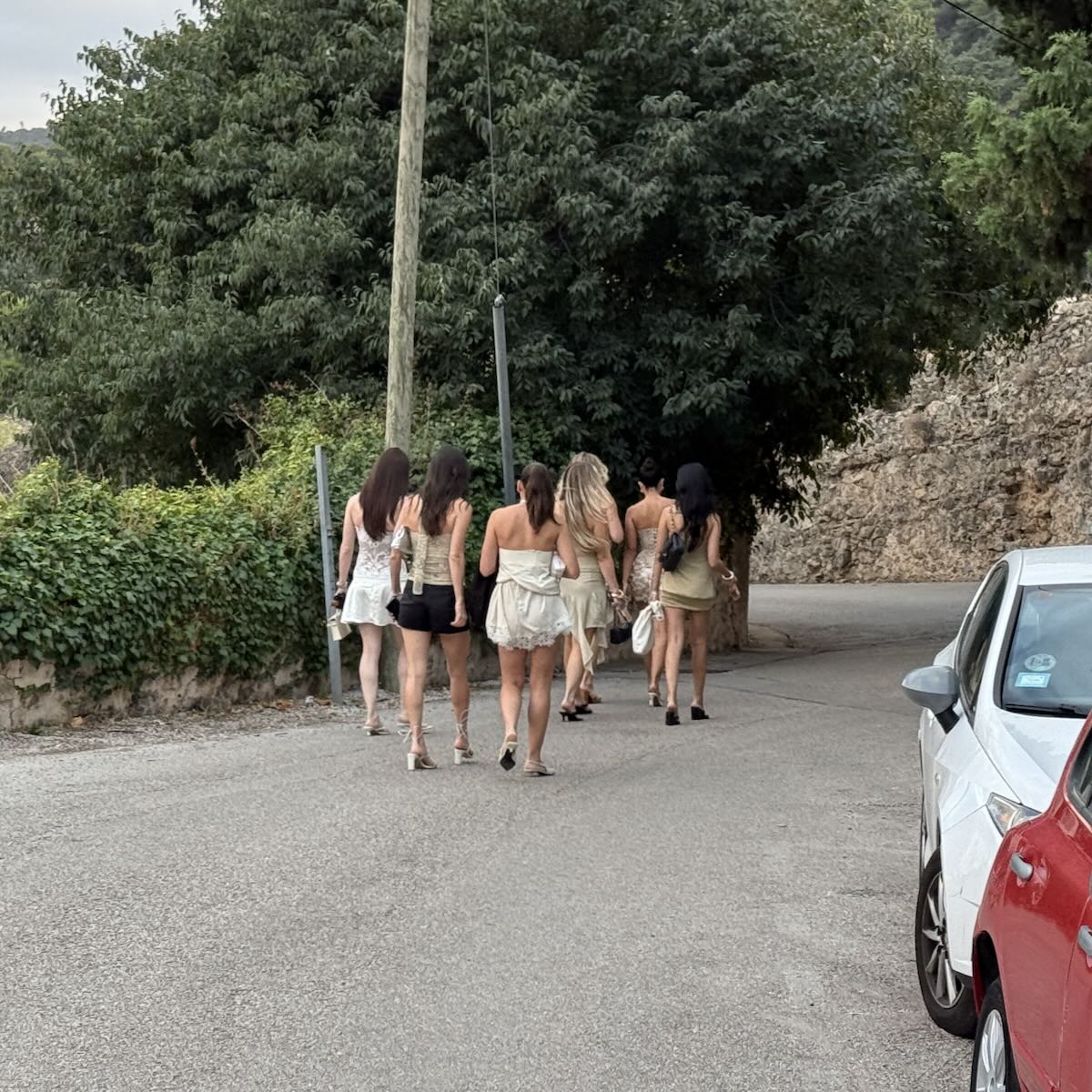
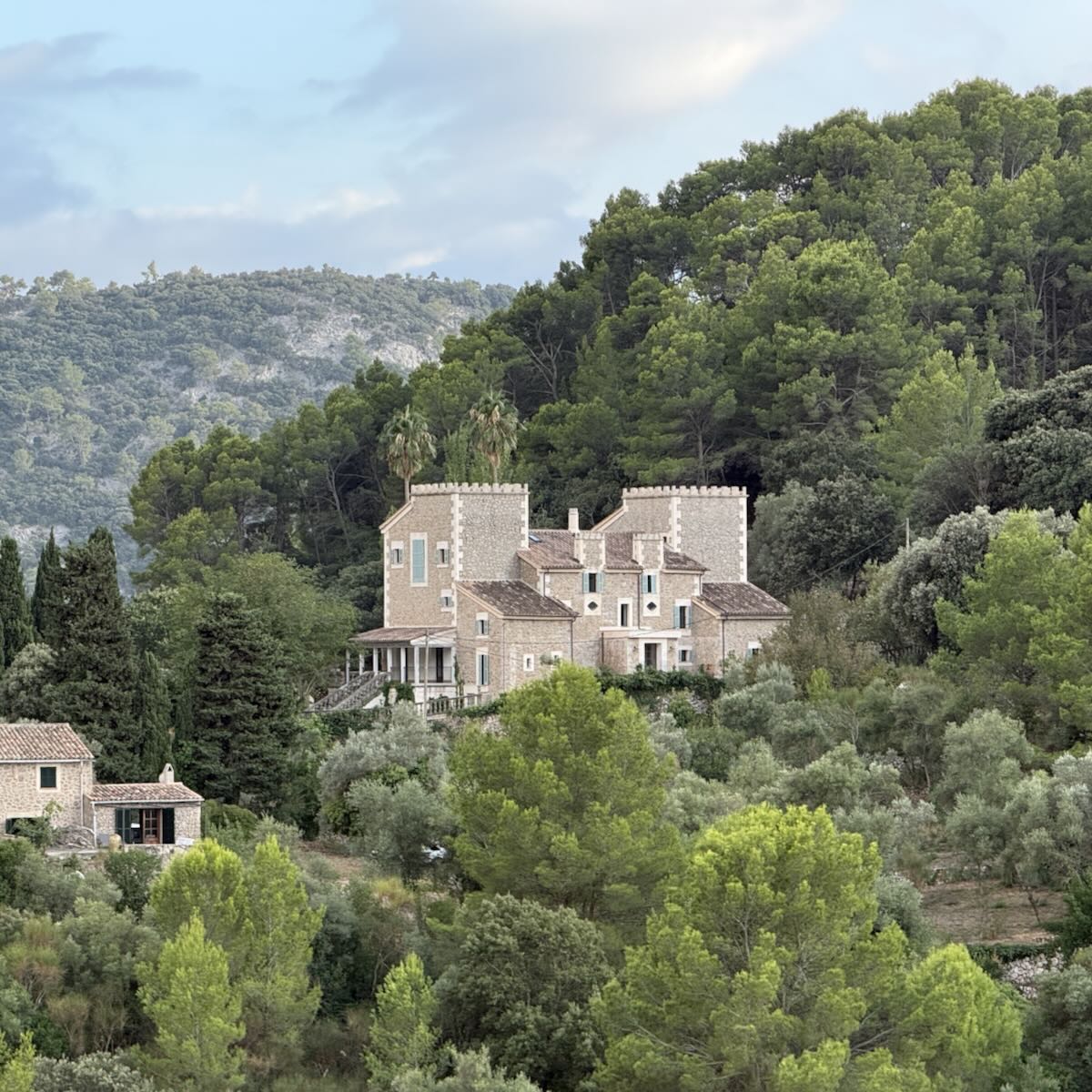 During the day, however, we occasionally encountered a large tour group heading toward us, and there were a remarkable number of groups of women in flirty resortwear.
 Our hotel, Es Petit de Valldemossa, was subpar; it smelled of an awful cleaning solution and something putrid, with air conditioning that isn’t up to the heat, and we could hear everything going on in the lobby (which doubles as a café/bar) through our door. One night, we went to dinner at De Tokio a Lima, recommended by a friend, not realizing that it was in the much, much, much nicer Hotel Valldemossa. I made promises—intimate promises—if Adam would agree to switch hotels, but the property 12 rooms were all booked.
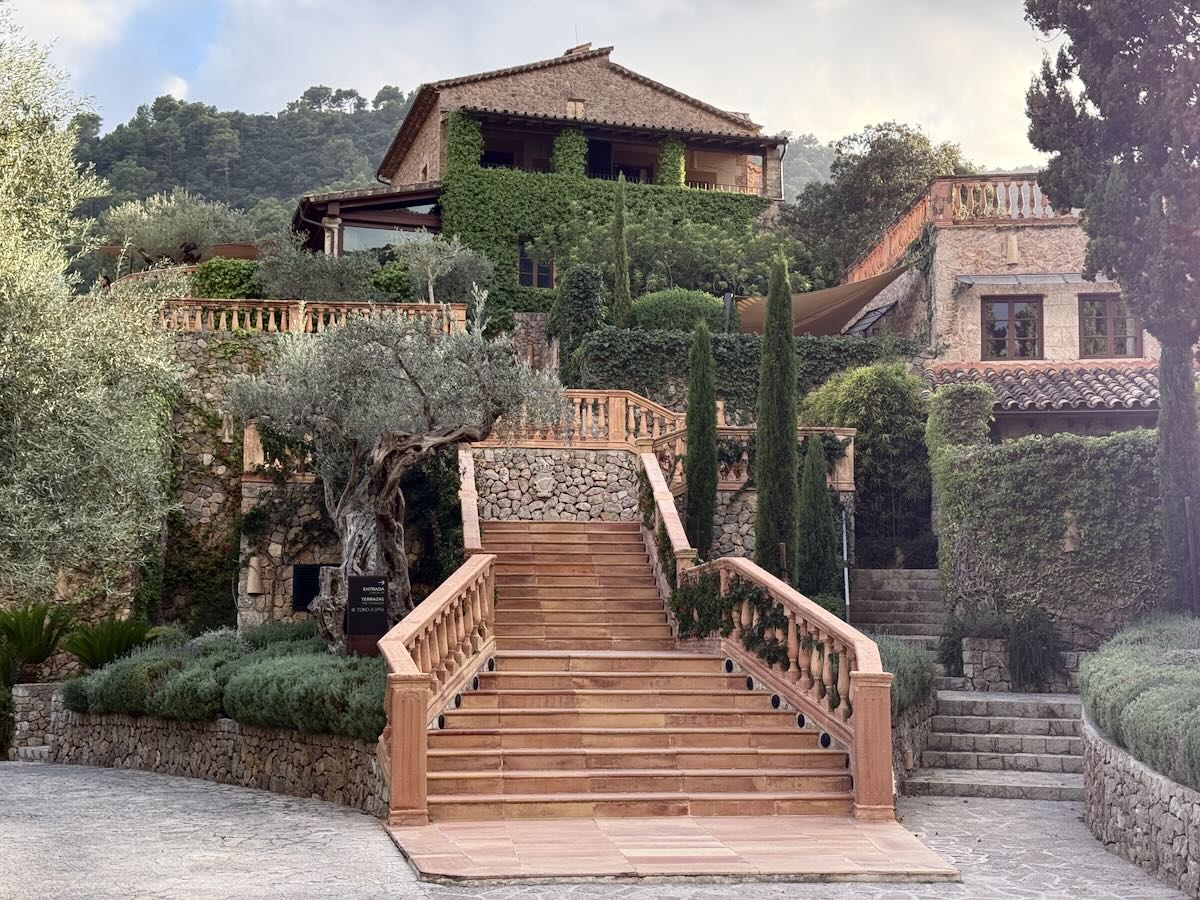
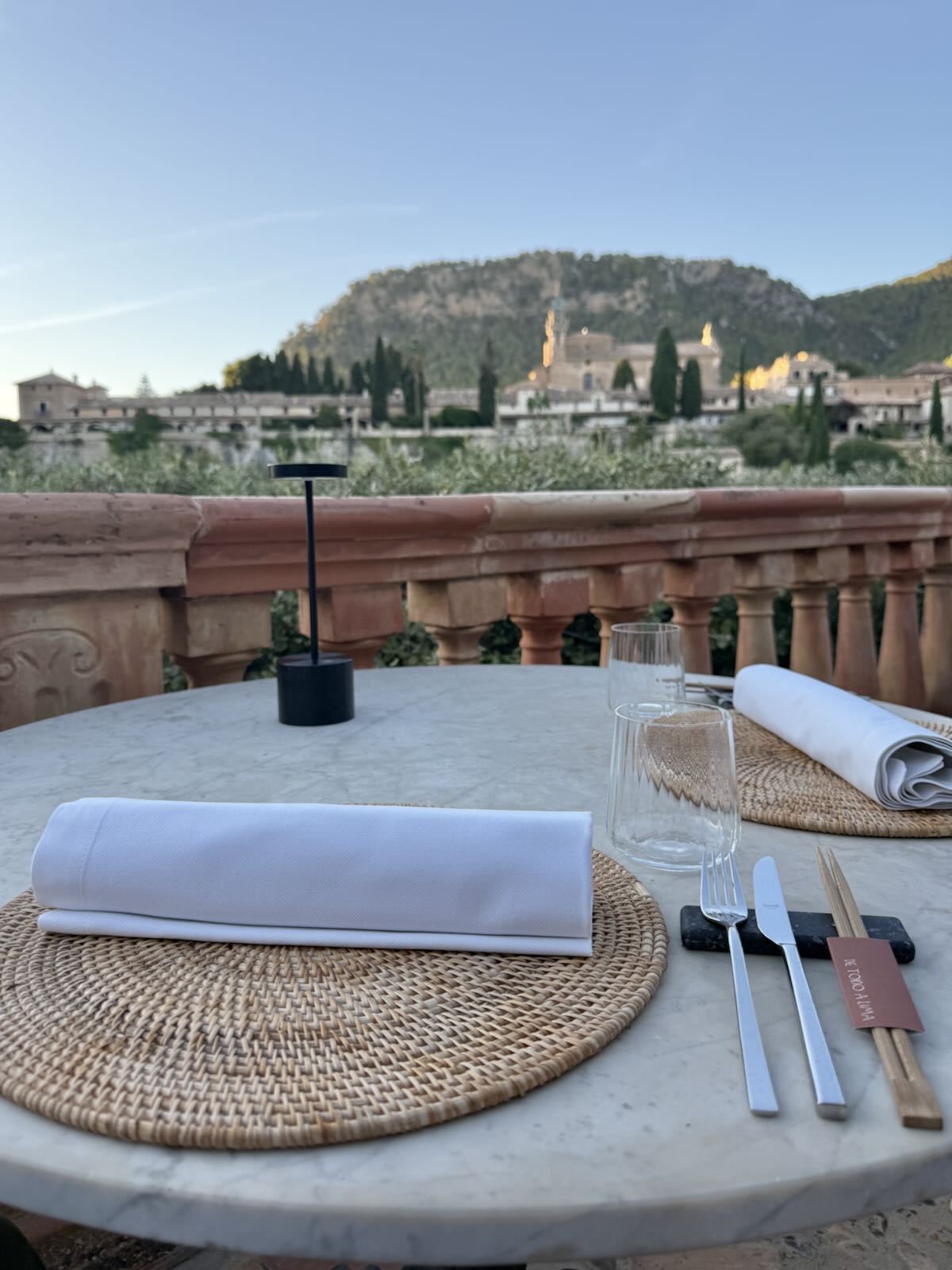 The view turned even more magical as the light dimmed. We went back the next night for a drink on the terrace and to pretend that we were staying there. This was the point at which we realized that for all of the benefits of using Ryder-Walker, we could’ve planned the trip ourselves, staying at La Residencia, L’Avenida, and Hotel Valldemossa. Trail info is widely available, and we could’ve figured out any baggage transfers.
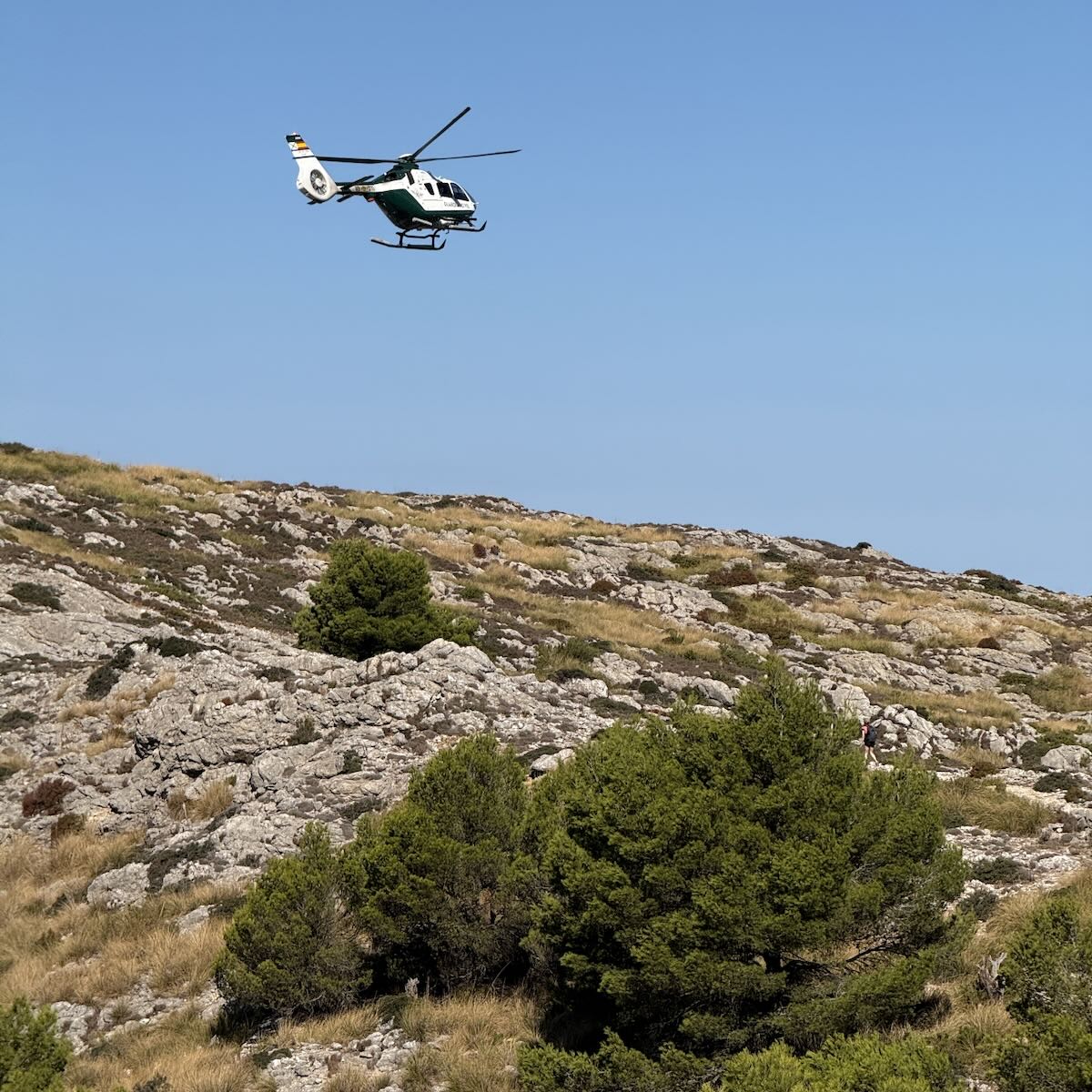
 Day four returned to the spectacular Archduke’s Path, and for reasons we’ll never know, two helicopters buzzed nearby. The loop involved too much walking home on a boring, rocky road; doing it out-and-back might’ve been better.
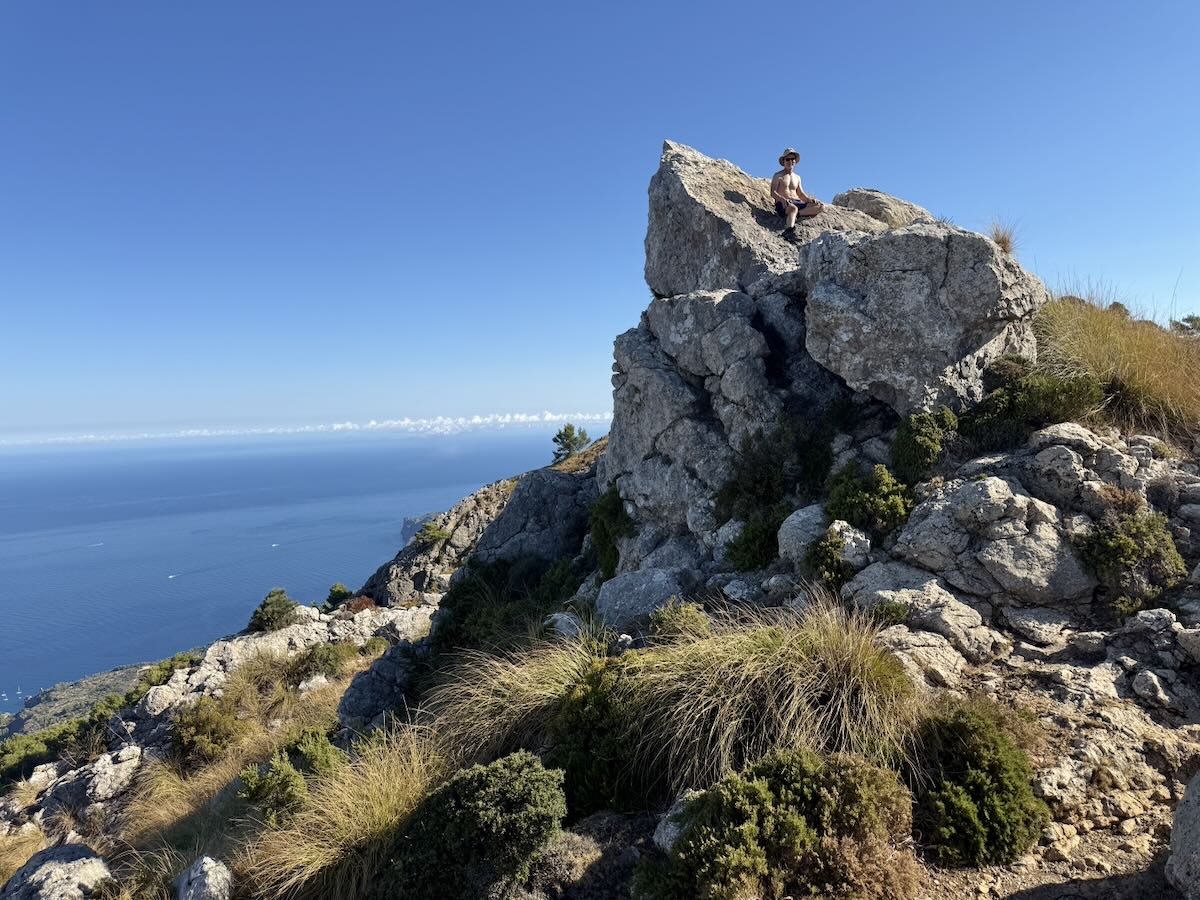
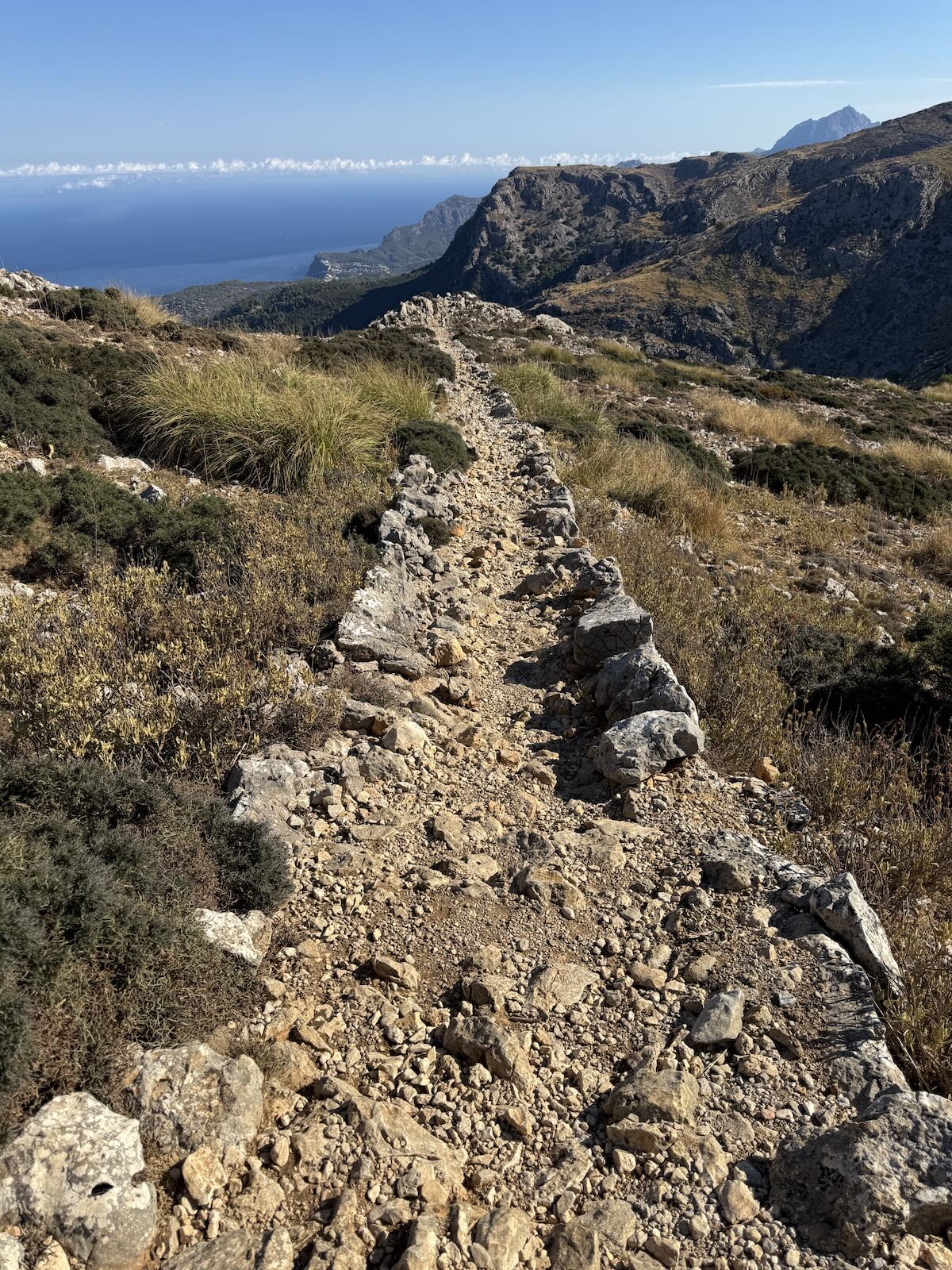
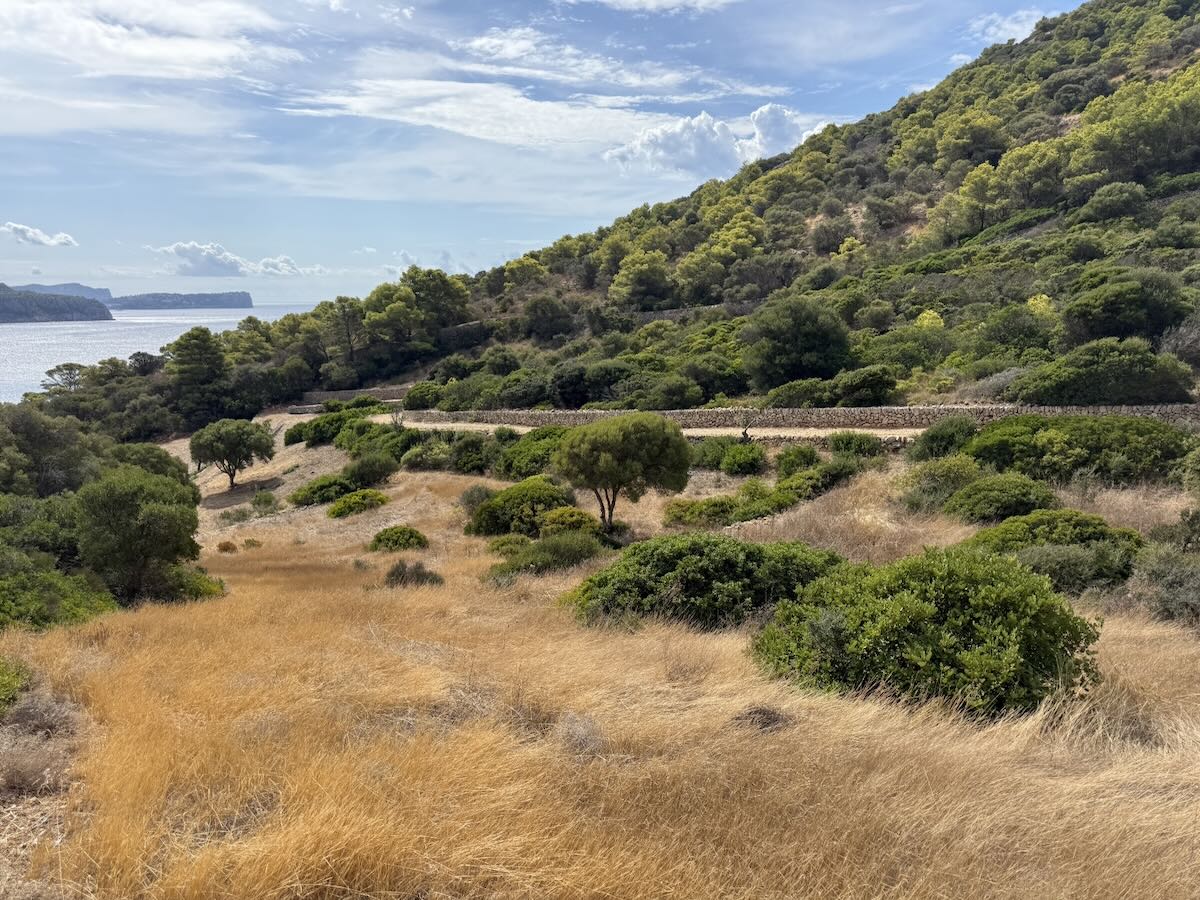
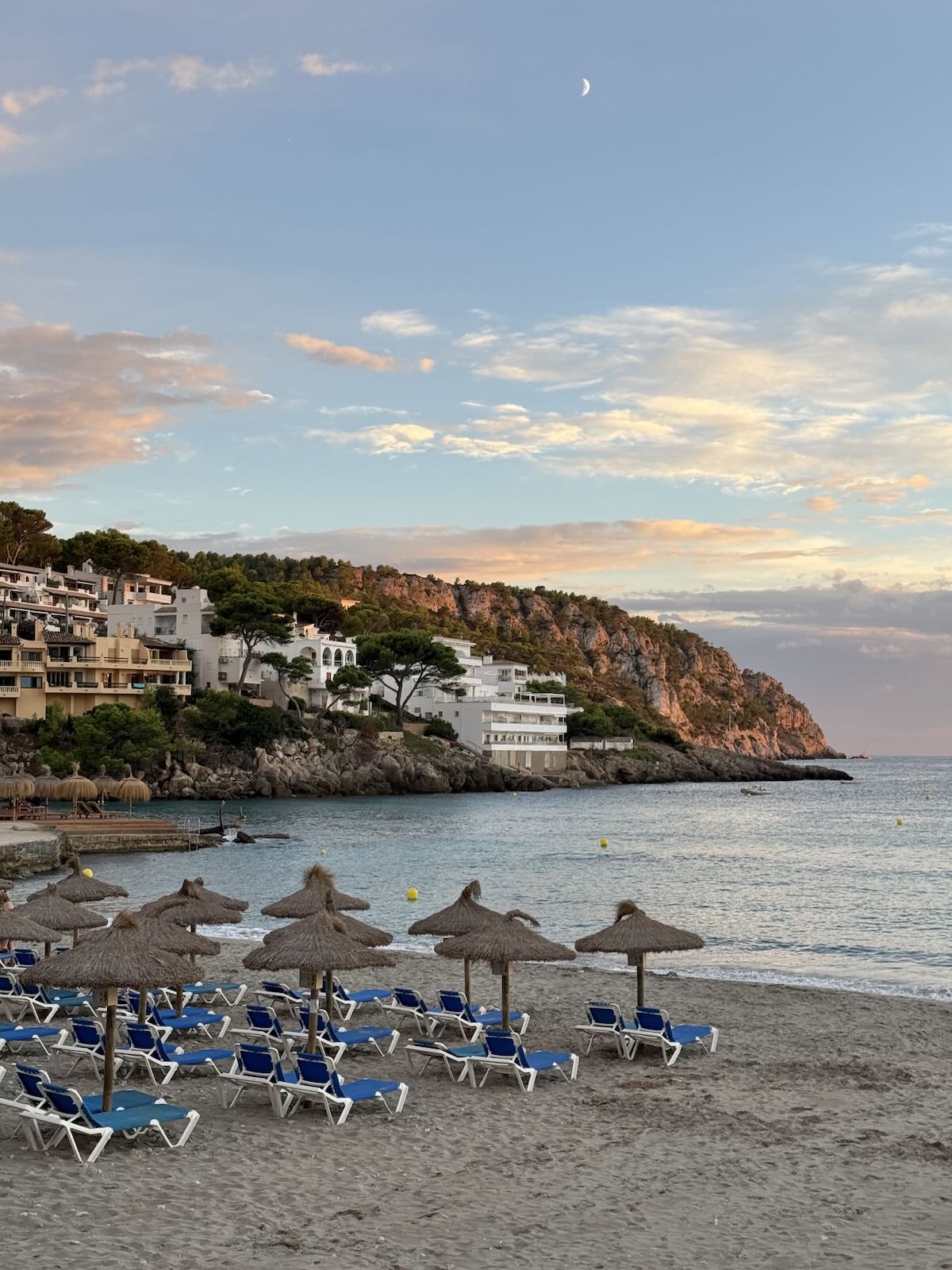
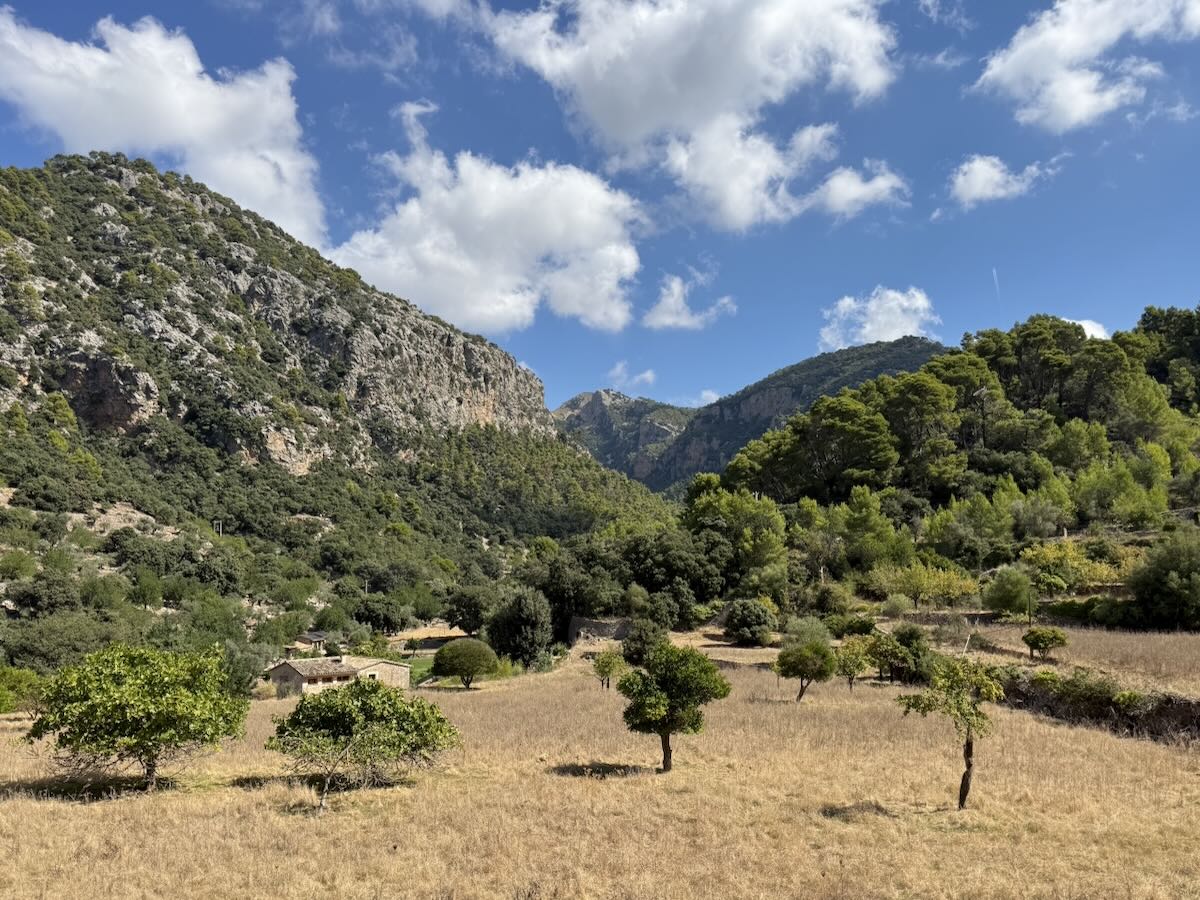 We were a little concerned about the third town, Sant Elm, which doesn’t have the antique charm of the others. It’s on the west coast of the island, and isolated, which has likely stopped it from being ruined.
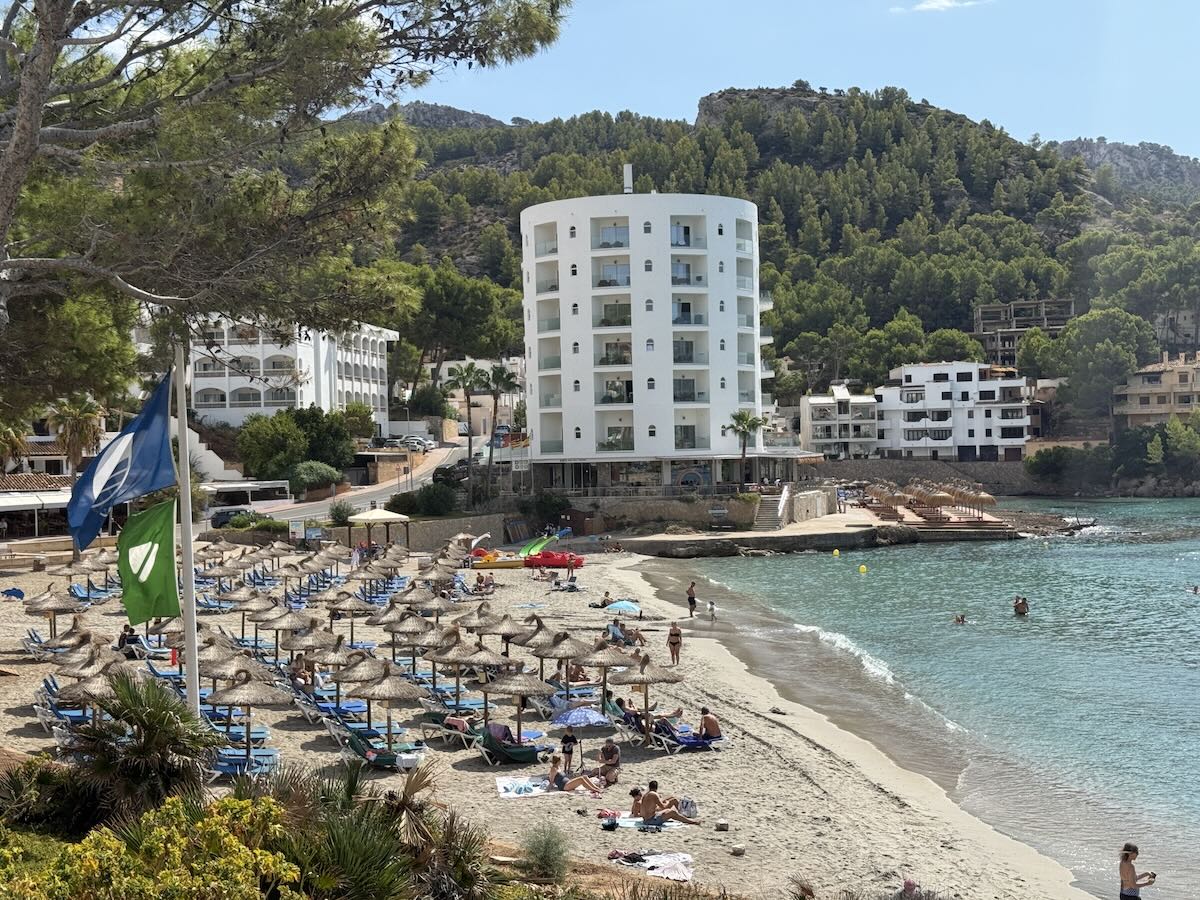
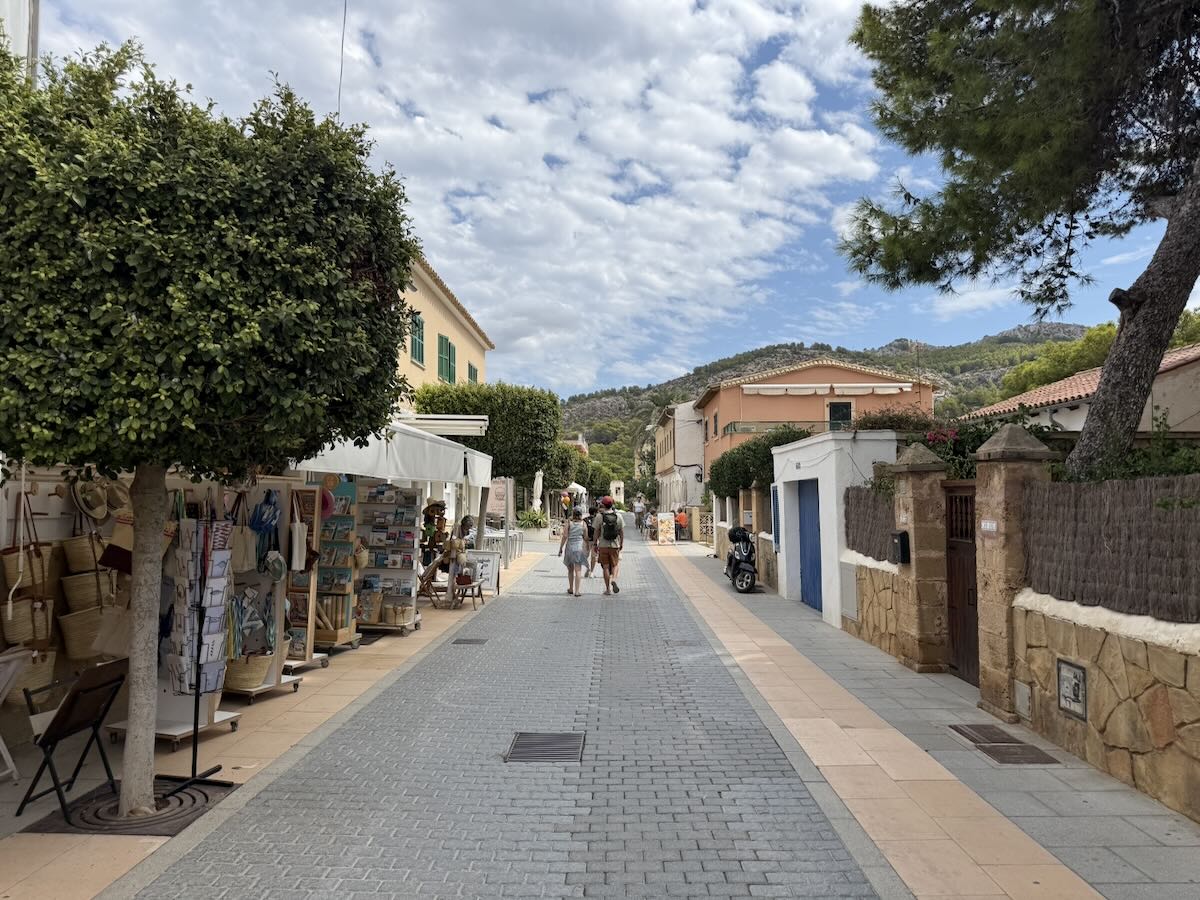 The Universal Hotel Aquamarin, the round white building overlooking the beach, was a little tacky—hotel guests have to pay €30 per day for a chaise longue, or €40 for the “front line” near the water—but it didn’t smell and you can’t argue with the view.
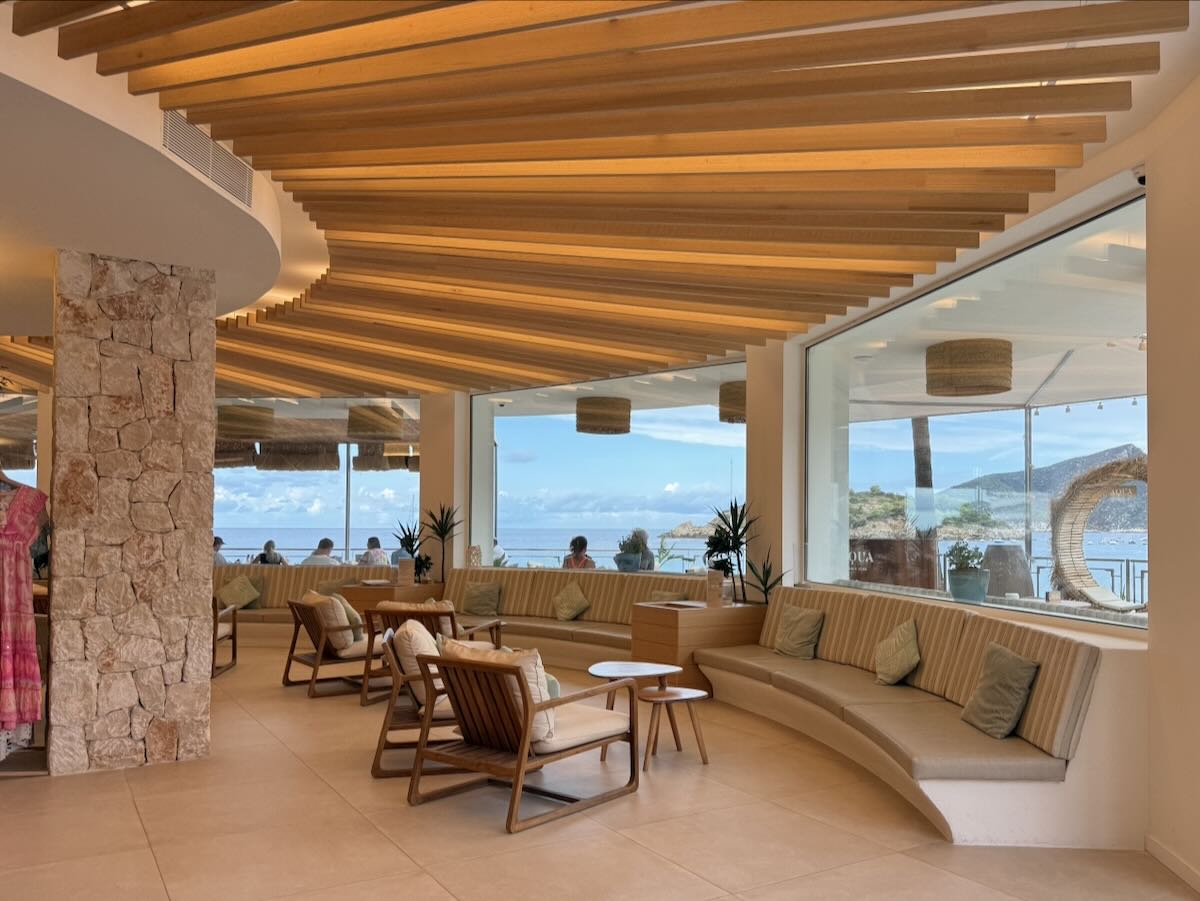
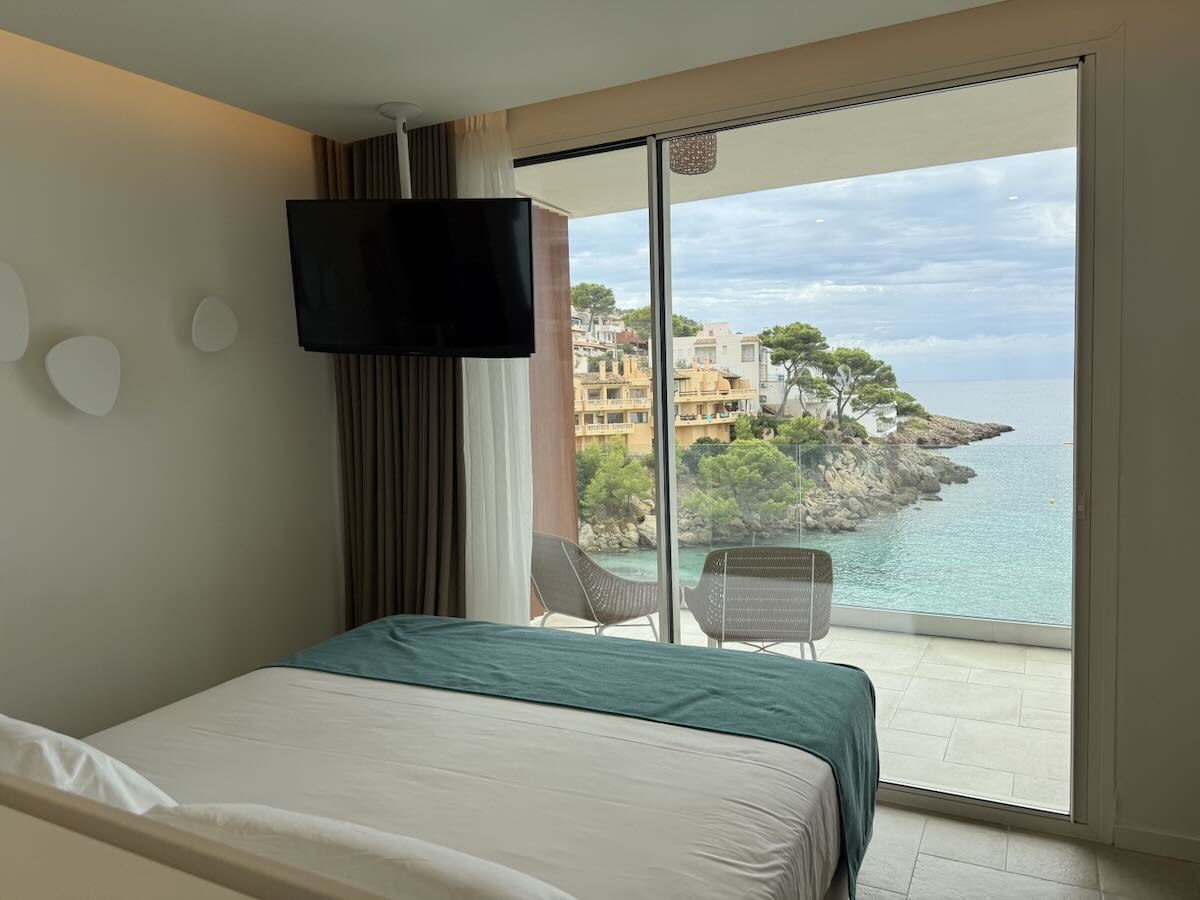
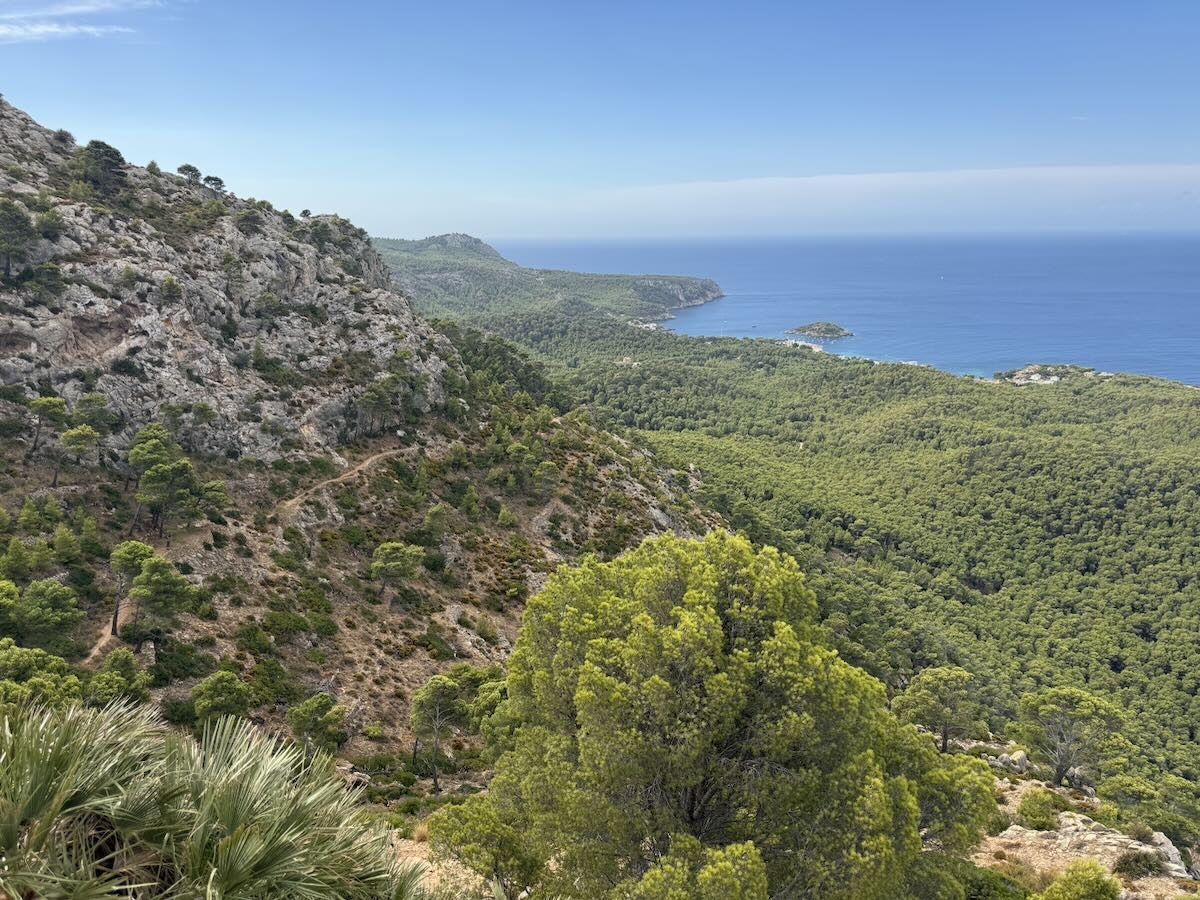
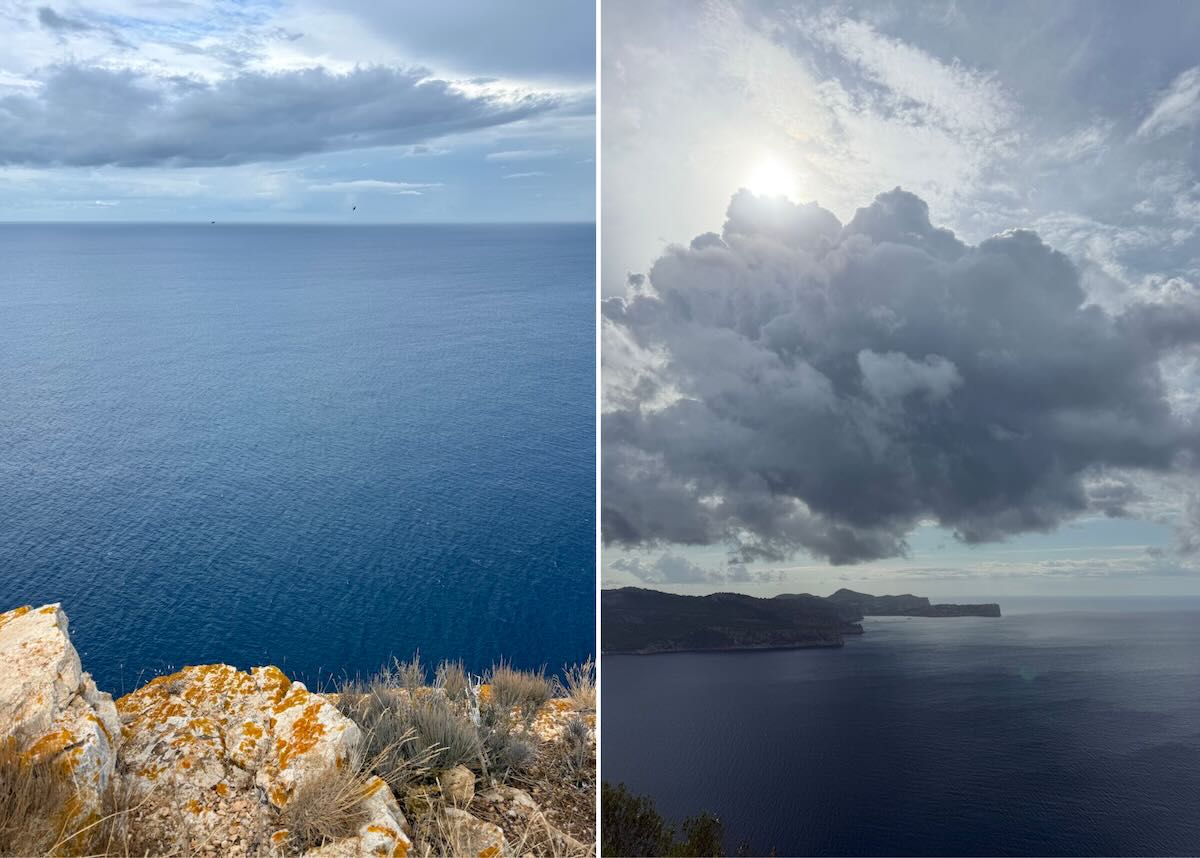
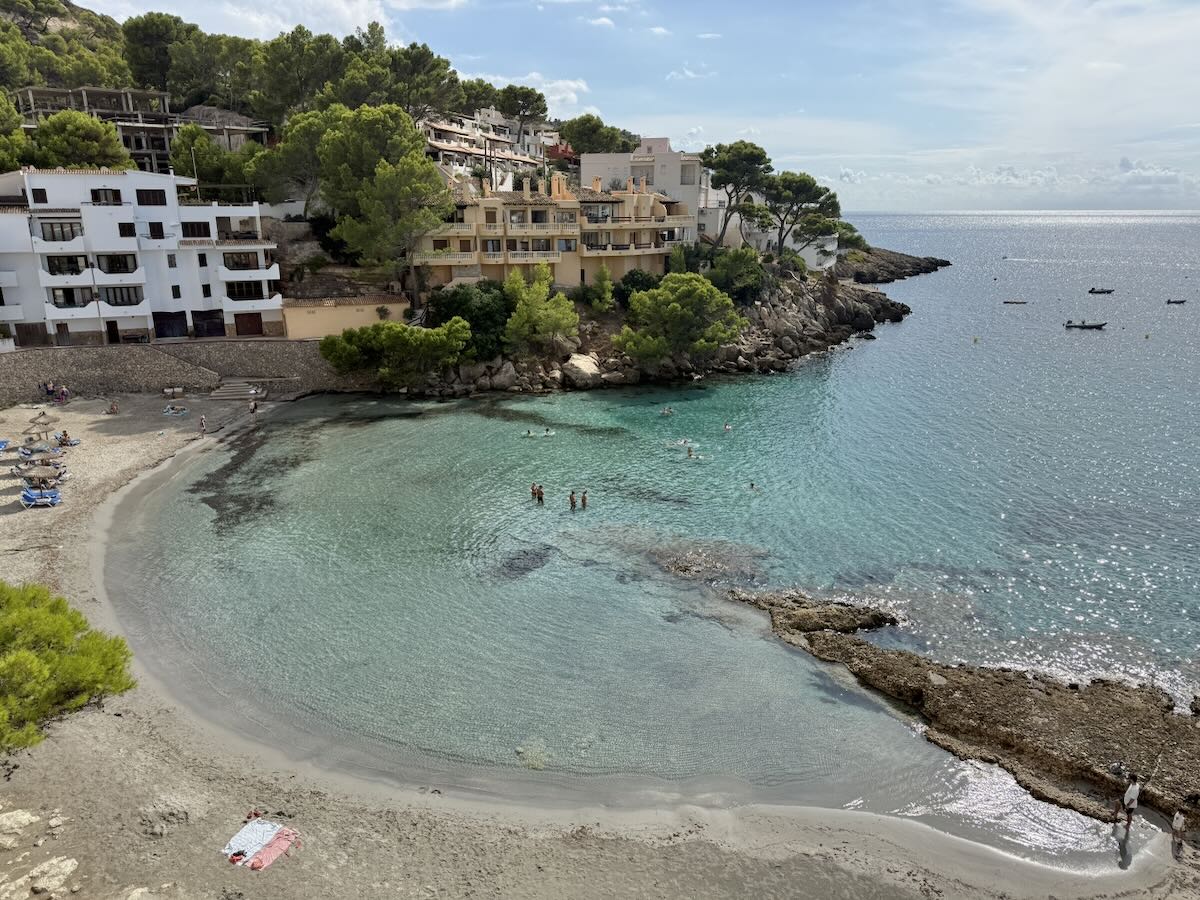 Both hikes are walkable, more or less, from the hotel. The first one was notable for the big Mediterranean views and detour to a monastery, but again, the descent was a switchback-y slog and we wished we had turned around at the top.
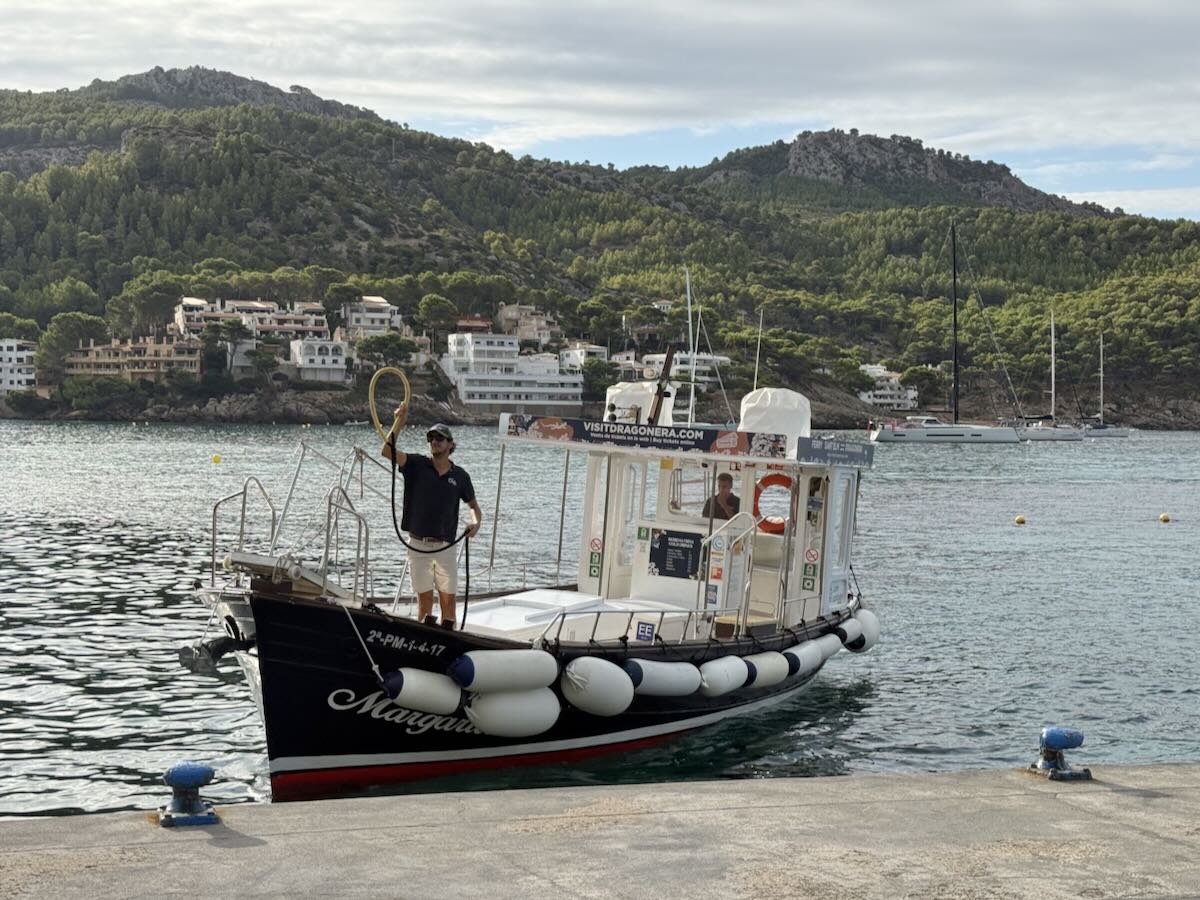
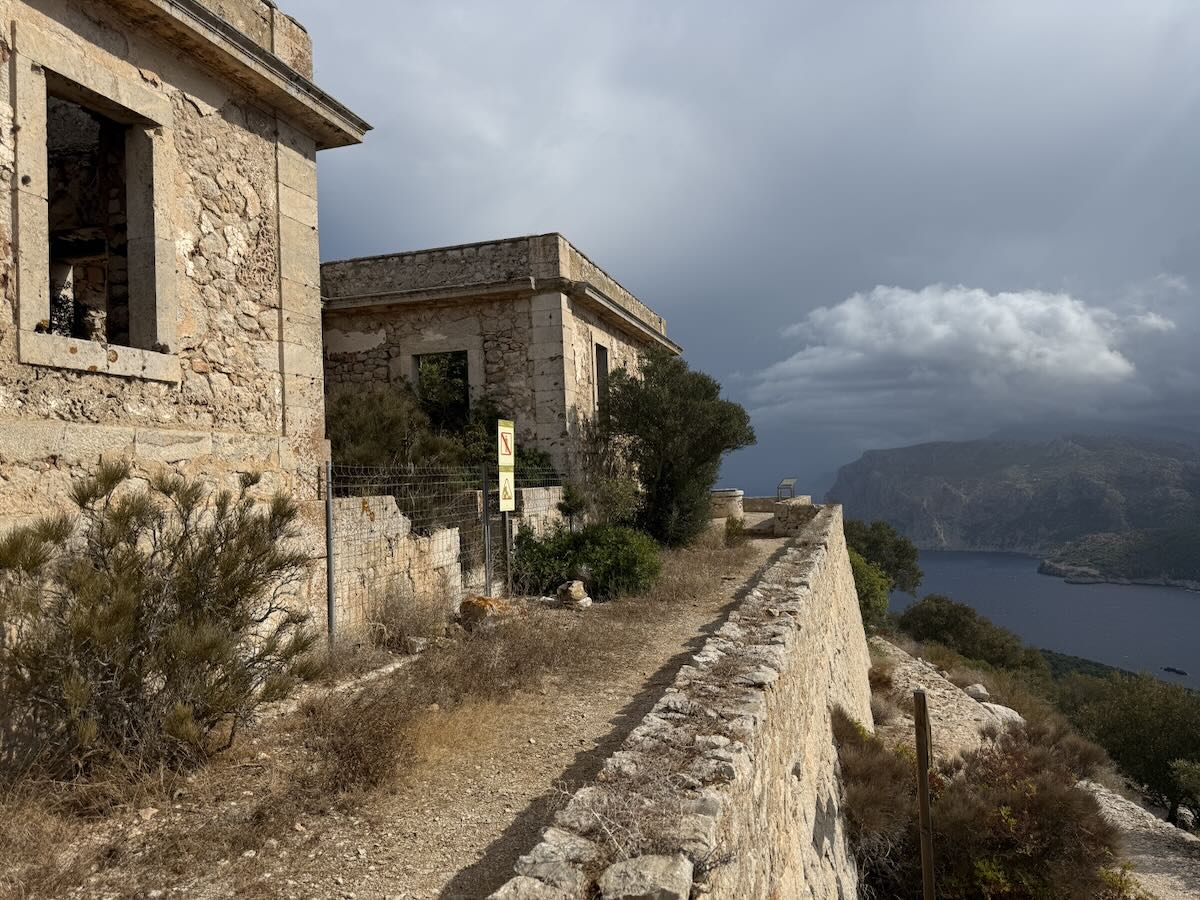
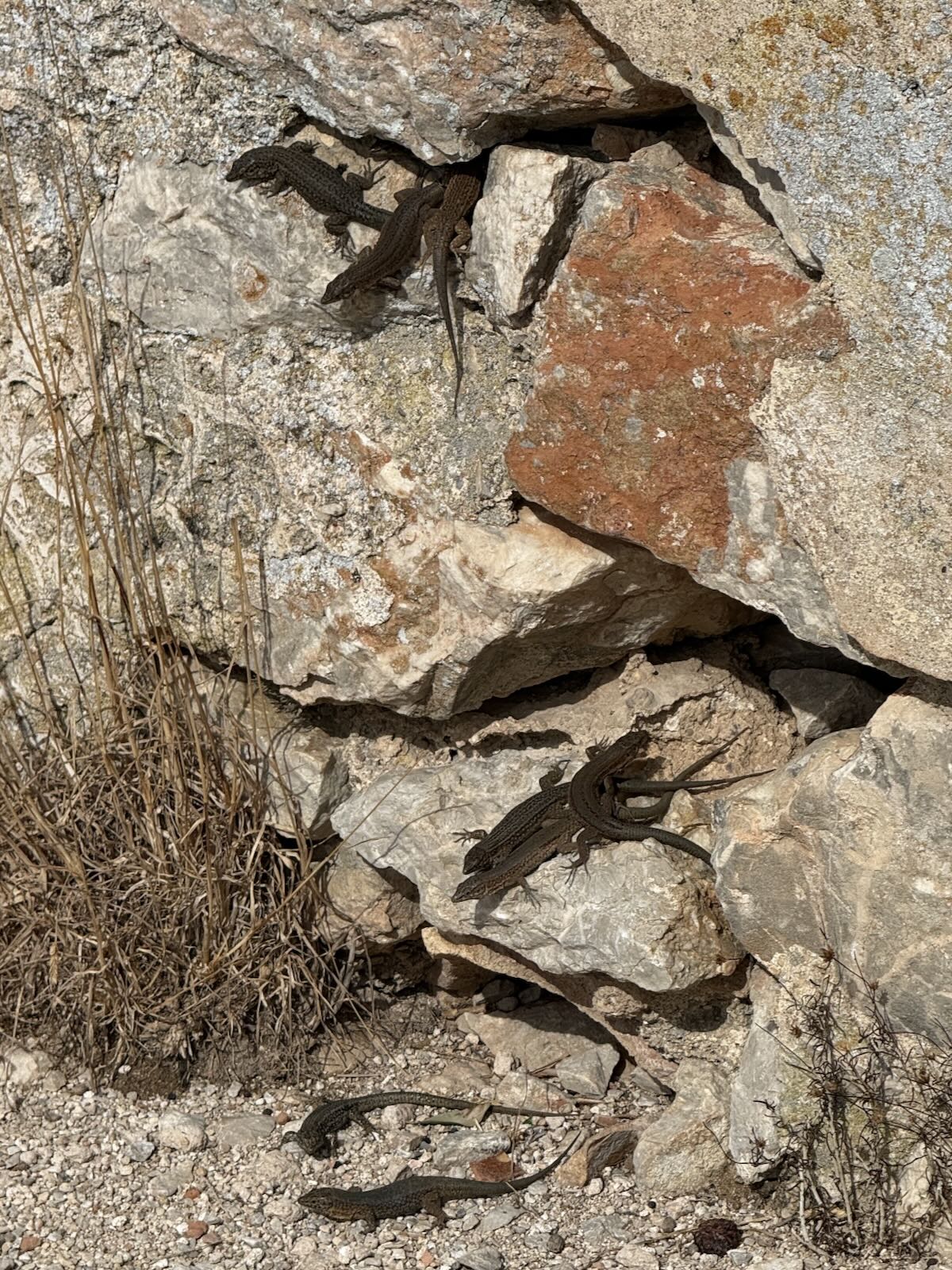
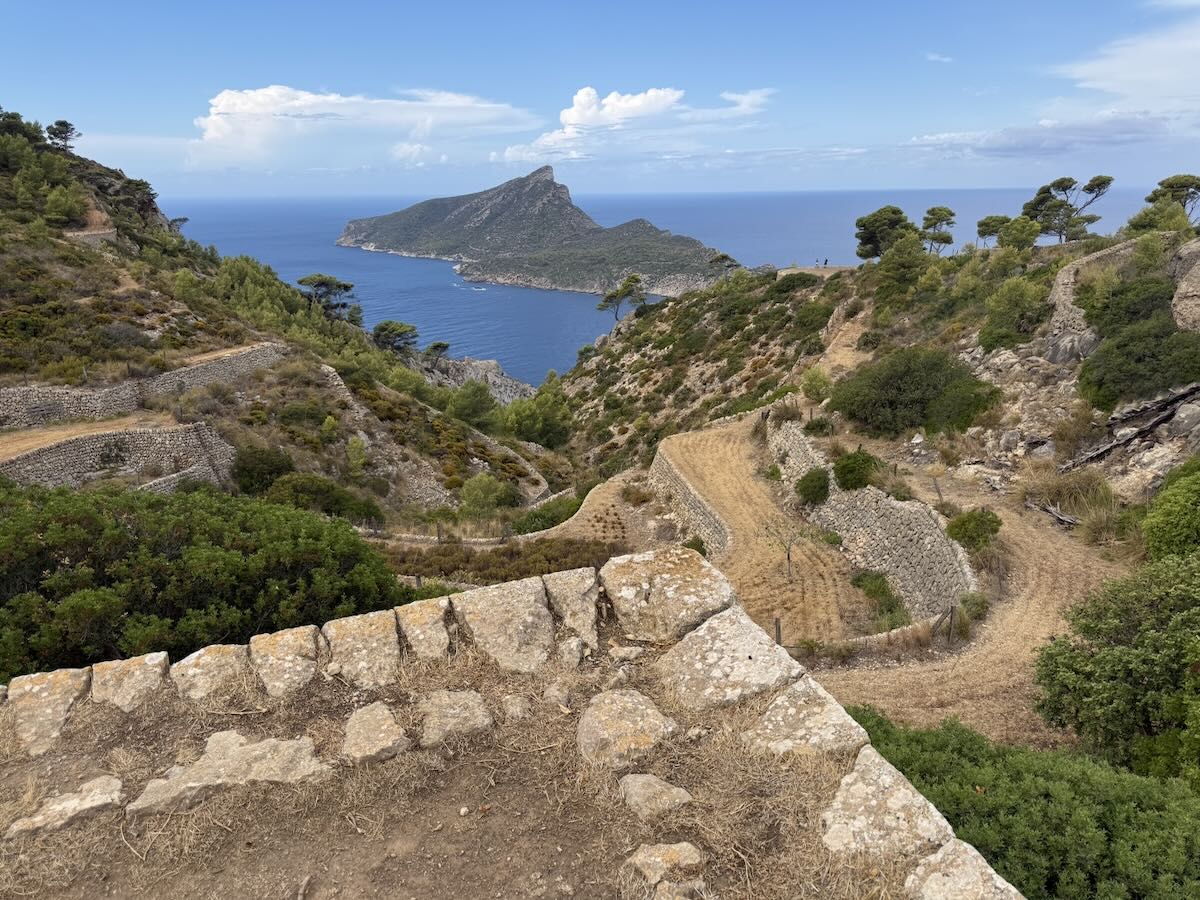 The final hike involved a 15-minute ferry ride with Captain Tíobueno to the island of Sa Dragonera. The boat was a nice change of pace, and the scenery was gorgeous. It peaks at an old lighthouse originally powered by olive oil—and where “wall lizards” demonstrate how they got their name. The dramatic shifts in weather made the biggest impression: at one point, a storm smothered the previous day’s trail in cloud.
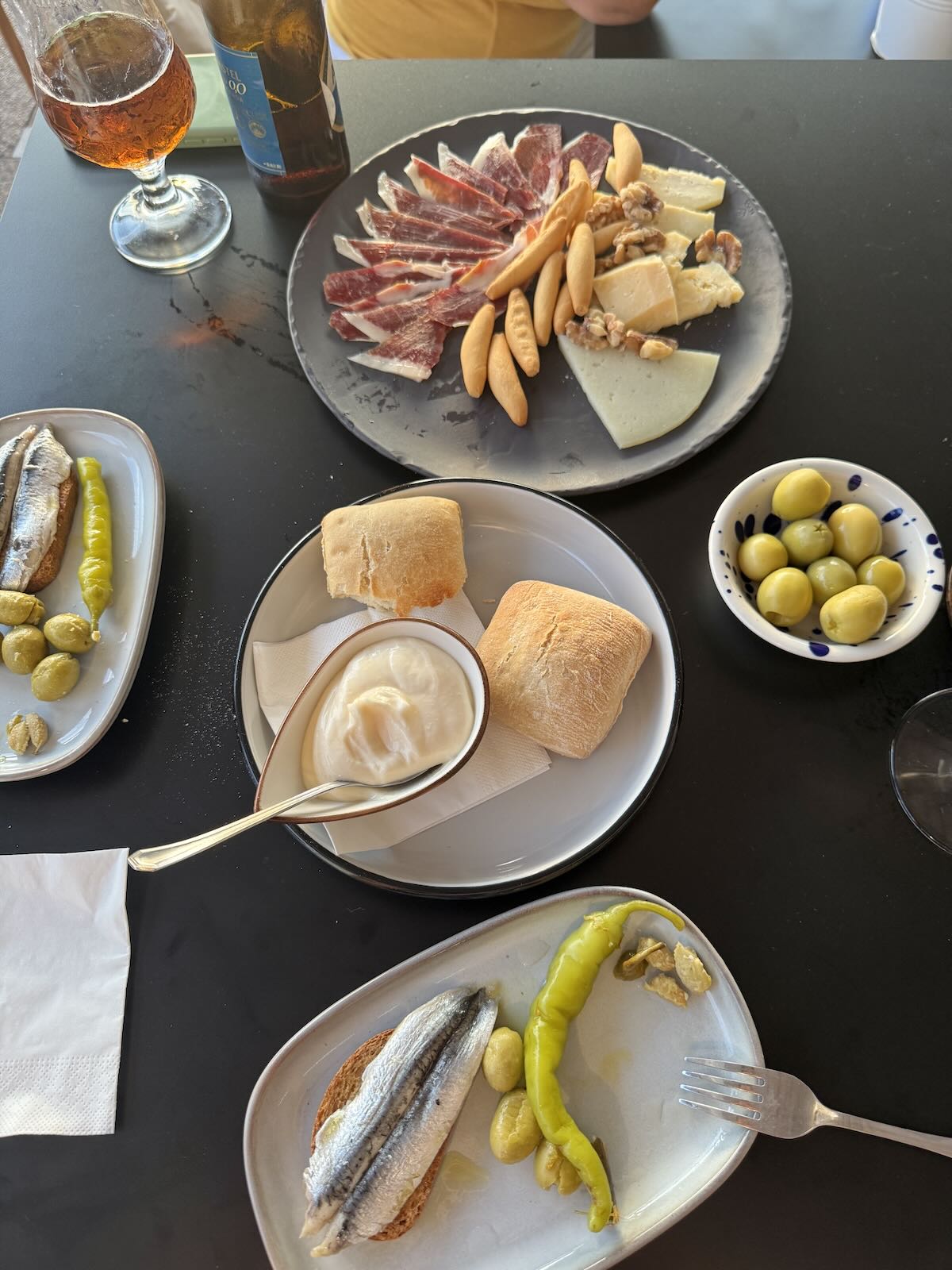
 One of the great joys of any hiking trip should be lunch, because you’ve earned it. Unlike the Dolomites, with a mirage-like refugio every mile or two, there’s rarely anyplace to eat en route in this part of Mallorca. Ryder-Walker suggests packing a picnic or waiting till you finish the hike. We tried both options and, after one too many dry eurosandwiches, we settled on the latter. None of the restaurants were noteworthy, which is why I haven’t mentioned any names, but the two in Sant Elm were very pleasant experiences. The town’s lack of pretension was such a relief; the people working there didn’t seem as fried by tourism as in Deià and Valldemossa. That extended beyond the businesses to the streets. People weren’t dressed up, posing, or putting on airs. It was an old-school beach town, full of visitors who just wanted to relax. On our final evening, we sat on the no-frills terrace of the wine bar across from the hotel, drank decent wine for €5 per glass (a substantial pour at that), and grazed on tapas while locals hung out all around. What more do you need?
 ·············
Previous travel coverage:
••• The Lowdown on the Scottish Highlands
••• Highlights of Tucson, a.k.a. the Dirty T
••• The Majesty of Angkor Wat
••• From Vietnam With… Ambivalence
••• Singapore: The City That Never Spits
••• Las Vegas: The Original Sim City
••• That’s Life in Death Valley
••• The Glorious Isolation of Santa Barbara Island
••• Hiking From Hotel to Hotel in the Dolomites
••• A Ramble Through the English Countryside
••• Notes from Up North: Healdsburg, Mendocino, and San Francisco
••• There’s More to Peru Than Machu Picchu
••• On a Backroads Tour of New Zealand’s South Island
••• Navigating the North Island of New Zealand
••• Don’t Be So Quick to Write Off Phoenix
••• The Most Magical City in the World
••• One and Done in Sedona
••• A Proper Visit to Santa Monica
••• A Quickie in San Francisco
↓↓↓ Dipping a Toe Into Southern Corsica
••• The Exquisite Luxury of Taking Paris for Granted
••• Santa Rosa Island in One Day
••• Soaking Up History at Castle Hot Springs
••• Driving Through the Heart of Hokkaido
••• Tokyo Is a World Unto Itself
••• Paso Robles, Pinnacles National Park, and Beyond
••• A Review of the Inn at Mattei’s Tavern
••• Another Quickie in L.A.
••• Sitting Pretty at the One & Only Mandarina
••• The Mysteries of Istanbul
••• Palm Springs: Midweek at the Oasis
••• Exploring the Sea Caves of Santa Cruz Island
••• A Summer Swing Through the Northeast
••• Why Is Everyone Going to Portugal?
••• Patagonia Made Easy
••• A Quickie in L.A.
••• From Penthouse to Pavement in Mexico City
••• Do Greek Islands Live Up to the Fantasy?
••• Splendid Isolation at Utah’s Lodge at Blue Sky
••• Three Reasons to Visit Paso Robles Now
 ················
Sign up for the Siteline email newsletter and you’ll never miss a post.











Comment: